Storm Damage to Roofs: What to Do Immediately
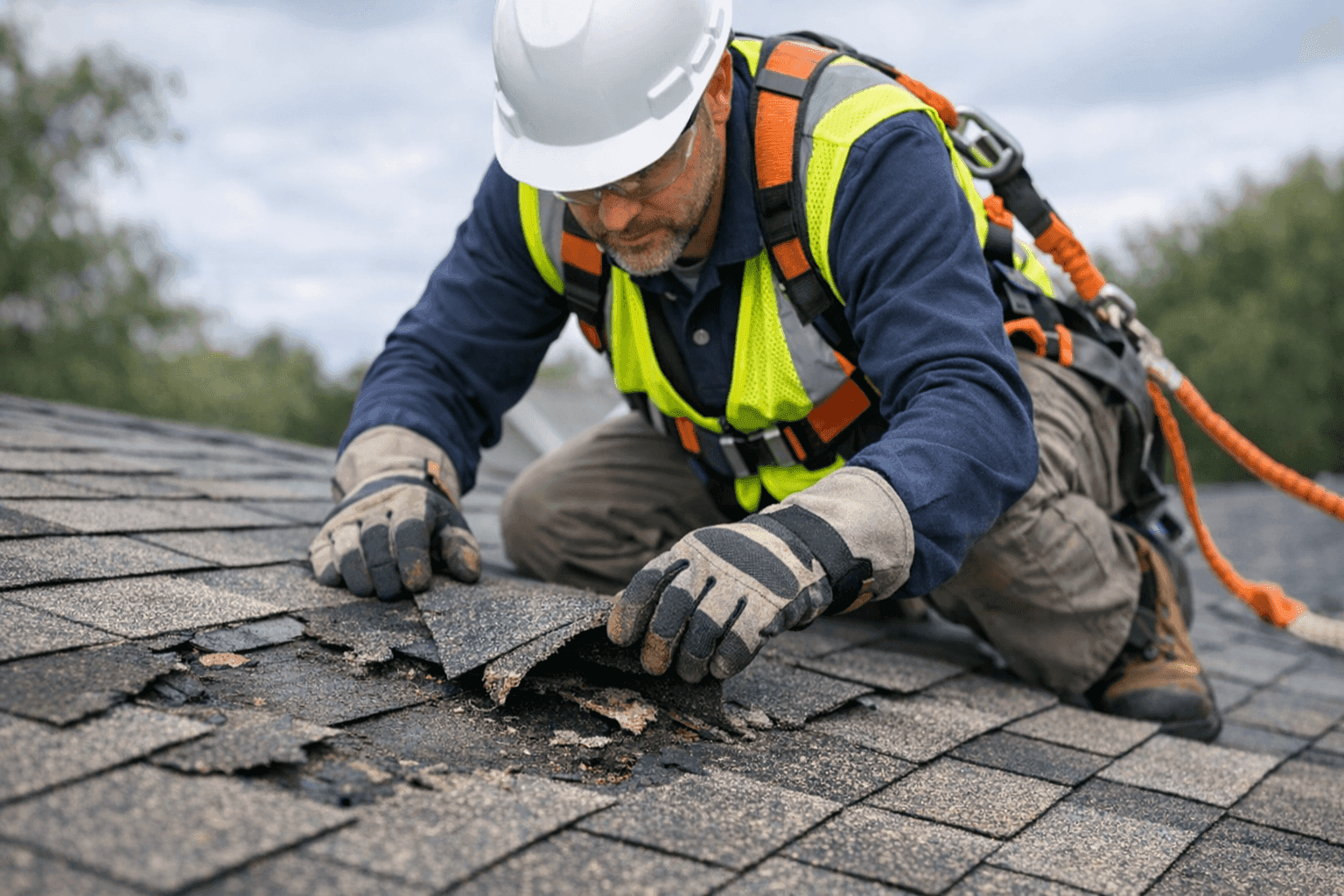
Storms don’t knock. They barge in. One minute your roof is solid, the next it’s battered by wind, rain, or hail. It’s unsettling—whether you own a home or a business. At KRB Contractors Roofing, we know how overwhelming storm damage can feel. We’re here to guide you, step by step, through the critical hours after the skies clear.
Acting fast matters. But so does acting safely and smartly. Here’s what you need to know—right now.
Identifying Storm Damage
Storms leave their calling cards in many ways. You might see missing shingles after a windstorm, or find bits of tile shaken loose like teeth from a comb. Hail can pepper metal roofs with dents, or bruise asphalt shingles until they’re soft as overripe fruit.
Look for:
- Shingles or tiles on the ground
- Exposed decking or underlayment
- Dents in metal panels or gutters
- Cracked or missing roof tiles
- Piles of granules at downspout exits (asphalt shingle loss)
- Bent or dislodged gutters and downspouts
- Water stains on ceilings or attic wood
- Skylight cracks or leaks
Some damage hides in plain sight. Hail hits, for example, can be subtle. If you’re unsure what to look for, remember: even small breaches can lead to big leaks later.
First Safety Steps 🦺
Step outside and breathe. Before rushing in, check for hazards:
- Downed power lines—stay far away, and call your utility company.
- Broken glass, sharp debris, or loose nails.
- Sagging ceilings or bubbling paint inside (could mean water above).
- Unstable ladders—don’t climb if you’re unsure.
If you smell gas, hear hissing, or see sparking wires, evacuate immediately and call emergency services. Safety comes before property.
Temporary Damage Control
If it’s safe, here’s how to minimize further loss:
- Place buckets under leaks.
- Move valuables or electronics away from water entry points.
- Use tarps or heavy plastic sheeting to cover visible holes (from the ground or attic, not the roof itself).
- Close windows and doors to keep out rain and wind.
Don’t walk on a wet or damaged roof. Even seasoned pros only do this with harnesses and the right footwear.
How to Safely Inspect & Document Damage
Documentation is your best friend for insurance and repairs. Here’s a quick guide:
- Take wide shots of the whole roof from the ground.
- Zoom in on visible damage: missing shingles, cracks, dents, or exposed wood.
- Photograph water stains, drips, and damaged interiors.
- Make a written list: what you see, where, and when.
- If you spot hail, snap photos of the hailstones (with a coin for scale).
Don’t risk your neck for a better angle. Use binoculars or your phone’s zoom.
When to Call Professionals
Some storms demand immediate attention. Call a roofing contractor right away if you see:
- Large holes or missing sections of roofing
- Major leaks or water pouring inside
- Sagging structural beams or ceiling collapse
- Chimney or skylight damage
KRB Contractors Roofing offers emergency services for these situations. Our teams are trained for both residential and commercial properties, and we handle everything from quick leak repair to full storm damage restoration.
Understanding Wind vs. Hail Damage
Wind damage often strips shingles clean, like pages ripped from a book. Hail, on the other hand, bruises and dents. Both can let water in, but insurance companies treat them differently.
It’s important to document not just what’s broken, but how it broke. This helps you later when claims are reviewed.
Prioritizing Immediate Hazards
Focus on:
- Anything that lets water inside (holes, missing flashing, cracked skylights)
- Exposed electrical wiring
- Debris blocking gutters and downspouts, which can lead to flooding
If water is pooling or running down walls, act fast. Water travels—what starts as a roof leak can end up as damaged walls and flooring.
DIY vs. Call a Pro
Some tasks are safe for homeowners:
- Mopping up standing water
- Moving furniture out of harm’s way
- Placing buckets or tarps
Other jobs—like climbing on the roof, handling exposed wires, or repairing structural damage—are best left to the pros. Roofing is dangerous work. According to the Occupational Safety and Health Administration (OSHA), falls are a leading cause of injury in construction.
What Pros Do On Arrival
When our team arrives, we:
- Inspect all roofing surfaces, gutters, flashing, and skylights
- Identify hidden leaks and points of entry
- Secure the area with tarps or emergency coverings
- Advise on next steps—repair, restoration, or replacement
We also document everything for your insurance file and answer any questions about materials and timelines.
Insurance Considerations 📝
File a claim as soon as you safely can. Most policies cover sudden, accidental storm damage—but not neglect or old wear. Here’s how to get started:
- Review your policy for storm, wind, or hail coverage.
- Call your insurance company to report damage.
- Share your photos and written notes.
- Schedule an adjuster visit.
- Save all receipts (temporary repairs, tarps, etc.)
Insurers often require prompt notice. Don’t wait until small leaks become major headaches.
Emergency Services: When It’s Critical
If your roof is open to the sky, or if water is flooding in, it’s an emergency. Our emergency services are available day or night. We stabilize the situation so you can breathe easier while longer-term repairs are arranged.
Common Mistakes to Avoid
- Waiting too long. Water damage spreads quickly.
- Climbing on unstable roofs—injuries are common.
- Throwing away damaged shingles or tiles before pictures are taken.
- Not checking gutters and downspouts for blockages.
Stay safe first, then act.
Preventative Maintenance for Next Time
Storms hit hard—but good maintenance helps. Schedule annual inspections, especially before storm season. Clean gutters, check for loose flashing, and trim overhanging branches.
For more on routine care, explore our roof repair and maintenance services.
Seasonal Considerations
Hurricane season, spring hail, winter storms: each brings different risks. If you live in a region with harsh weather, consider impact-resistant materials like metal roofing or high-quality tile roofing near you. Ask about sealants and coatings for added protection.
FAQ: Storm Damage Edition
Q: How soon should I inspect my roof after a storm? A: As soon as it’s safe, ideally within 24 hours.
Q: Can I make temporary repairs myself? A: Yes, indoors—use buckets and plastic sheeting. For exterior work, call a pro.
Q: Will insurance cover the full cost? A: Depends on your policy and the damage type. Document everything and consult your adjuster.
Q: What if I have skylight or gutter damage? A: Address it quickly—these are common leak points.
Why Timely Professional Evaluation Matters
Minor-looking damage can hide deeper trouble. Water seeps into insulation, decking, even structural beams. The longer you wait, the higher the repair bill. Our team at KRB Contractors Roofing acts quickly to pinpoint every issue and recommend the smartest fix.
If you’re in the area and need skilled roofing services, we’re here to help.
Final Thoughts: Your Next Steps
Storms are unpredictable. Your response doesn’t have to be. With a clear plan and the right support, you can get your roof—and your peace of mind—back fast.
Call KRB Contractors Roofing now — or reach us anytime at 855-528-1936 .