How to Spot Early Signs of a Roof Leak Before It’s Too Late
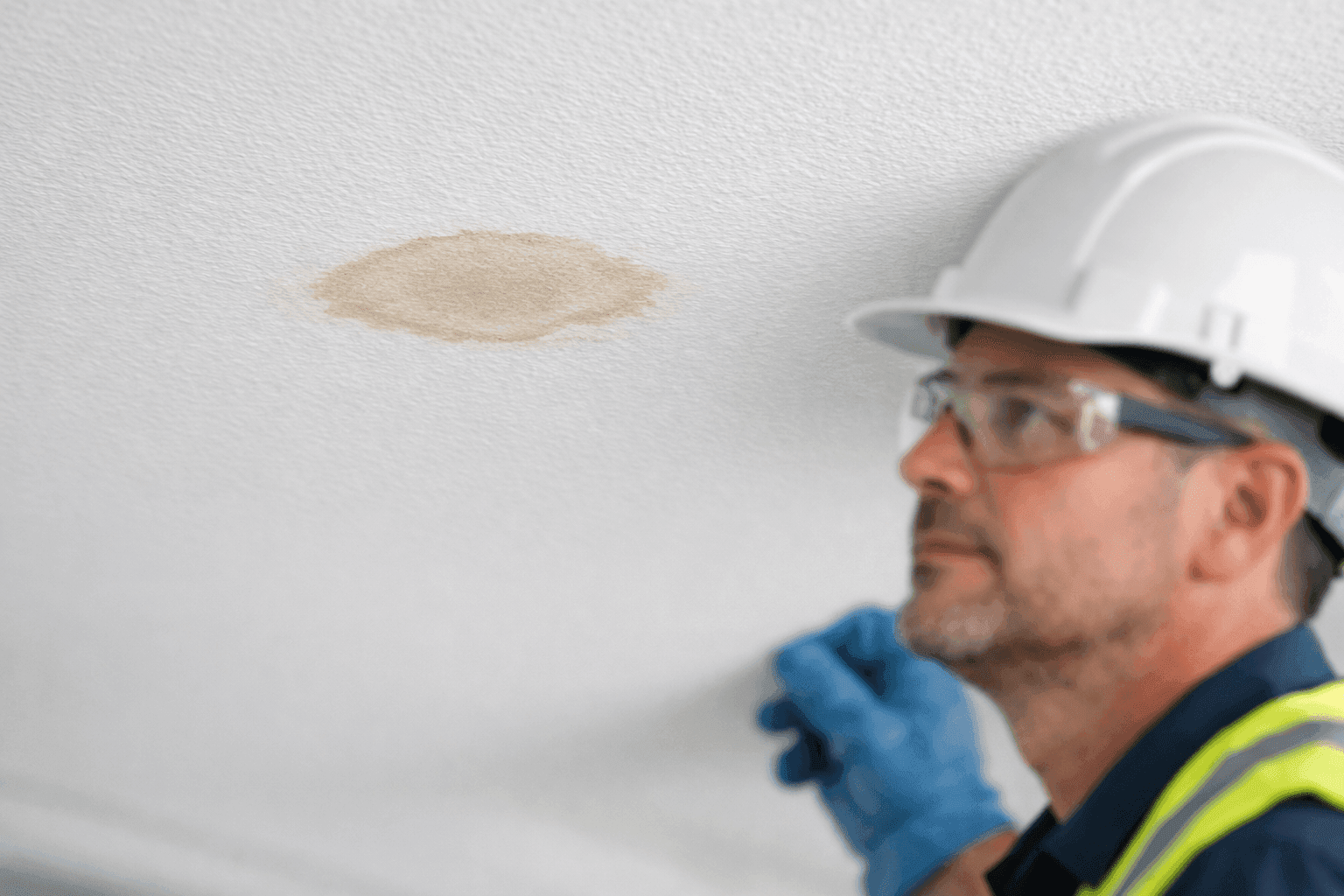
Rain hammers the roof. The wind howls. You sit inside, thinking—am I safe from leaks? The truth is, roof leaks rarely announce themselves with a dramatic waterfall in the living room. Most begin quietly. A stain here. A musty smell there. By the time water drips onto your floor, the damage may already be done.
At KRB Contractors Roofing, we’ve seen how early roof leak signs can save a property owner thousands—if you know what to look for. This guide will show you exactly how to spot the warning signs, understand the causes, and know when to pick up the phone for help.
Common Early Leak Signs: What to Watch For 🧐
A roof leak rarely starts as a gushing torrent. Instead, it’s more like a slow drip from a leaky faucet—annoying at first, but disastrous if ignored. Here are the subtle signals your roof might be waving at you:
- Water stains: Brown, yellow, or coppery spots on ceilings or walls, especially after rain.
- Bubbling or peeling paint: Moisture behind surfaces causes paint or wallpaper to blister.
- Musty odors: Persistent damp smells, especially in attics or upper floors.
- Mold or mildew: Black, green, or gray patches on ceilings, walls, or even in the attic.
- Warped or curled shingles: Shingles that look uneven or are lifting at the edges.
- Sagging ceiling: A heavy, drooping area indicates water pooling above.
- Granule loss: Piles of tiny shingle granules in gutters or at downspouts.
- Drips or puddles: Even a small, infrequent drip can signal a bigger problem.
Sometimes, the only clue is a faint mark on the ceiling. Other times, you’ll notice your energy bills creeping up as insulation gets soaked. If you see any of these, don’t shrug them off.
Where to Check Indoors and Out
Spotting a leak isn’t just about glancing up at your ceiling. It’s a detective job—indoors and outdoors.
Indoors
- Ceilings and upper walls: Look for stains, bubbling, or peeling paint.
- Attics: Check for damp insulation, streaks on rafters, or visible mold.
- Around skylights and chimneys: These are common leak entry points.
- Windows and vents: Moisture can travel along framing and appear far from the actual leak.
Outdoors
- Shingles and tiles: Cracked, missing, or warped shingles can invite water in.
- Flashing: The thin metal strips around chimneys, skylights, and roof valleys—look for rust or gaps.
- Gutters and downspouts: Clogs can back water up under the roof edge.
- Roof valleys: Where two slopes meet, water can pool and sneak in.
- Seals and caulking: Dried, cracked sealant is a weak spot for leaks.
A flashlight and a careful eye can go a long way. But some damage, especially under layers of roofing, isn’t visible without professional tools.
Causes of Roof Leaks: Why Do They Happen?
Roofs face an uphill battle—rain, wind, sun, and debris all take a toll. Here are the main culprits behind leaks:
- Aging materials: Shingles, tiles, and sealants break down over time.
- Storm damage: Hail, wind, and falling branches can crack or dislodge roofing.
- Improper installation: Corners cut during construction often come back to haunt homeowners.
- Clogged gutters: Water backs up under the roof edge instead of draining away.
- Faulty flashing: Improperly installed or deteriorated flashing is a leak magnet.
- Poor attic ventilation: Trapped moisture causes condensation and eventual leaks.
- Animal activity: Birds, squirrels, and insects can damage roofing materials.
Regular inspections and preventative maintenance are your best defense. The International Residential Code (IRC) recommends annual roof inspections, especially after severe weather.
The Quick Safety Checklist Before You Investigate
Before you start poking around, safety comes first. Roofs can be slippery, and water damage can weaken structures. Remember:
- Don’t climb onto the roof if it’s wet, icy, or storming.
- Wear sturdy shoes and gloves.
- Use a stable ladder with someone to spot you.
- If the ceiling sags or water drips steadily, stay clear—collapse risk is real.
When in doubt, call a professional. Sometimes, what looks like a minor stain can mask a serious hazard.
DIY vs. Call a Pro: When to Tackle It Yourself
Some issues are safe for a handy homeowner to handle. Others require a roofing contractor’s expertise.
DIY-friendly:
- Cleaning gutters and downspouts.
- Replacing a few shingles (if you’re comfortable on a roof).
- Spotting and sealing small cracks with roof-safe caulking.
Call a pro for:
- Persistent leaks or recurring stains.
- Water damage near electrical fixtures.
- Sagging ceilings or large mold patches.
- Signs of structural damage.
Leaks can hide in tricky places. Professionals use moisture meters, infrared cameras, and years of experience to track down hidden issues.
What Pros Do On Arrival
When you call KRB Contractors Roofing, here’s what happens next:
- Inspection: We check the entire roof, indoors and out, using professional tools.
- Diagnosis: We trace the leak to its source, not just where the water shows up.
- Action plan: You get a clear explanation of what’s wrong and what needs fixing—no surprises.
- Repairs: From quick patching to full replacements, we handle every type of roofing, including tile, shingle, and metal.
- Prevention: We offer tips and options for stopping future leaks, like improved flashing or gutter upgrades.
Our crews are trained for both residential and commercial roofing, so no project is too big or small.
Prevention & Maintenance: How to Keep Leaks at Bay 🛡️
Think of your roof like a raincoat—strong, but only if it’s cared for. Here’s how to prevent little drips from turning into disasters:
- Annual inspections: Schedule at least one professional inspection each year. After severe storms, check again.
- Clean gutters: Remove leaves and debris every spring and fall.
- Trim overhanging branches: Less debris means fewer clogs and less risk of storm damage.
- Replace damaged shingles or tiles: Don’t put off small repairs.
- Check attic ventilation: Good airflow prevents condensation and mold.
- Monitor flashing and seals: Replace cracked or rusty flashing ASAP.
Routine maintenance now means less stress—and expense—down the road. Refer to the National Roofing Contractors Association (NRCA) guidelines for more details on maintenance best practices.
Costs & Time Factors: What to Expect
Worried about repairs breaking the bank? Small leaks, caught early, usually cost much less than full-blown water damage. Here’s a rough breakdown:
- Minor repairs: Replacing a few shingles or resealing flashing can often be done in a few hours.
- Moderate repairs: Fixing a persistent leak, repairing decking, or replacing flashing may take a day or two.
- Major repairs: Structural damage or full roof replacements can stretch over several days—and cost more.
Insurance may cover storm-related damage, but routine maintenance and neglect are usually not covered. Always check your policy details.
When It’s an Emergency (and When It’s Not) 🚨
Some leaks can wait a day or two. Others demand immediate action:
Emergency signs:
- Active water dripping or pooling indoors.
- Sagging ceilings or walls.
- Electrical hazards (water near outlets or fixtures).
- Large areas of missing shingles after a storm.
If you see any of these, move valuables, contain the water if you can, and call us right away.
FAQ: Your Roof Leak Questions Answered
Q: How often should I check my roof?
A: At least twice a year—spring and fall. After big storms, check again.
Q: Can I ignore a small stain if it doesn’t get bigger?
A: Even tiny stains can signal hidden leaks. Investigate early.
Q: What’s the most common leak source?
A: Flashing failures and clogged gutters are at the top of the list.
Q: Will my insurance cover repairs?
A: Often for storm damage, but not for wear-and-tear or neglect.
Seasonal Considerations: Timing Your Roof Checks
Seasons change, and so do leak risks:
- Spring: Melting snow and heavy rains test your roof’s limits.
- Summer: Sun and heat can dry out caulking and shrink materials.
- Fall: Falling leaves clog gutters; wind can loosen shingles.
- Winter: Ice dams trap water under shingles and cause leaks.
Set a reminder to check your roof as the seasons shift. It’s a habit that pays off.
Common Mistakes Homeowners Make
- Waiting too long: Small leaks only get worse.
- Ignoring gutters: Most roof problems start with poor drainage.
- DIY gone wrong: Sometimes, a quick patch just hides the real problem.
- Skipping attic checks: Water can travel along beams, showing up far from the source.
If you’re not sure what you’re looking at, Inspections. Peace of mind is worth it.
Timeline & Disruption: What Happens During Roof Repair
Worried about noise, mess, or disruption? Most minor repairs are finished quickly with little impact. Bigger jobs may take longer, but professionals work to minimize dust and debris. We keep you informed at every step.
For businesses, we work around your schedule as much as possible. For homeowners, we treat your property like our own.
Materials & Equipment: What Goes into Leak Repair
From tile roofing to metal and shingles, every material has its quirks. We use industry-approved sealants, flashing, coatings, and decking. Safety is our priority—our team is trained to OSHA standards and follows all relevant building codes.
Eco-friendly options are available, too. Ask about green roofing materials and energy-efficient insulation.
When to Call KRB Contractors Roofing
If you’ve spotted a stain, smelled something odd, or just want peace of mind, don’t wait. Early action saves money, stress, and the headache of bigger repairs later. We handle everything from minor fixes to storm damage restoration and new roof installation.
Want to find reliable roofing services for your home or business? We’re ready to help.
Call KRB Contractors Roofing now — or reach us anytime at 855-528-1936 .