Comprehensive Guide to Residential Roof Types and Lifespans
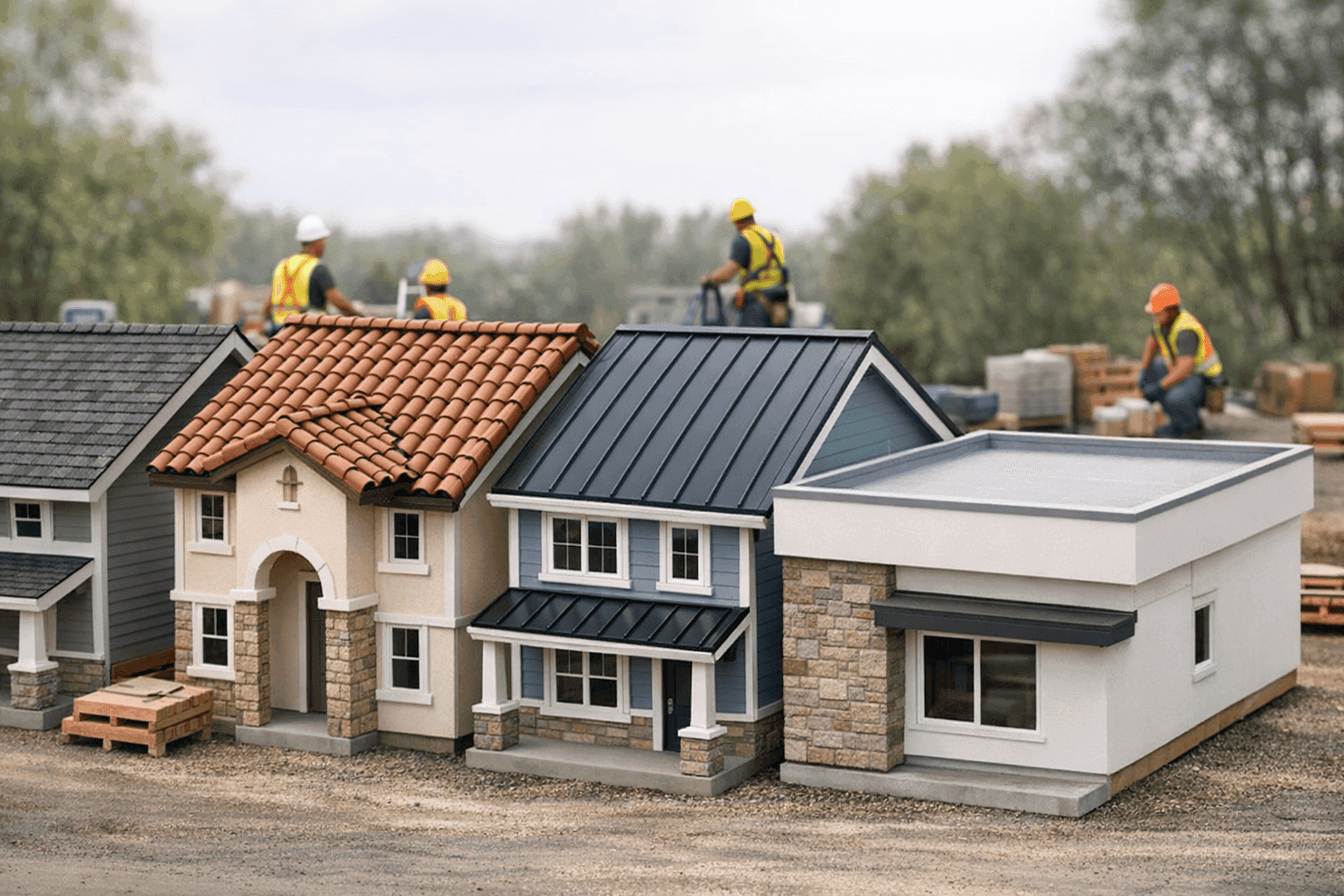
Is your roof quietly aging above your head? A roof is more than just shingles or tiles—it's your home's shield, the hat that keeps everything dry and safe. But with so many materials and promises out there, how do you choose the best fit for your house or business?
At KRB Contractors Roofing, we've seen every kind of roof—from the classic shingle to sleek metal and sturdy tile. We know that choosing a roof is a big investment, one that deserves careful thought. Let’s walk through the options, cut through the confusion, and give you clear insight into the lifespan, care, and costs of today’s most popular residential roofing materials.
Overview of Residential Roofing Materials 🏠
The variety of roofing materials today can be dizzying. Each has its own strengths, quirks, and character. Here are the main contenders:
- Asphalt Shingles: The familiar face—affordable, easy to install, and widely used.
- Tile Roofing: Distinctive and durable, with a Mediterranean flair. Think clay or concrete.
- Metal Roofing: Modern, energy-smart, and surprisingly lightweight.
- Flat Roofs: The choice for certain styles and commercial buildings—often using modified bitumen, TPO, or EPDM.
- Other Options: Wood shakes, slate, and eco-friendly materials like recycled rubber or green roofs, though less common.
Each material brings its own story to your roof. Your choice impacts curb appeal, cost, maintenance, and even your home’s comfort.
Lifespan by Material: What to Expect
How long will your roof last? Here’s a real-world look at average lifespans:
- Asphalt Shingles: 15–30 years, depending on grade and climate.
- Tile Roofing: 40–100 years. Clay lasts longer than concrete, but both are tough.
- Metal Roofing: 40–70 years, especially with proper coatings.
- Flat Roofs: 10–30 years, based on material and care.
- Wood Shakes: 20–40 years if well-maintained.
- Slate: Over 100 years, but comes with a premium price and weight.
No roof is forever, but some are close. Local weather, installation quality, and regular maintenance (like gutter cleaning or flashing repair) all play a part in your roof’s actual lifespan.
Pros and Cons: Weighing Your Options
Each roofing option has tradeoffs. Let’s break down the main pros and cons:
Asphalt Shingles
Pros:
- Budget-friendly
- Easy to repair and replace
- Wide style/color choices
Cons:
- Shorter lifespan
- Can crack or curl in harsh climates
Tile Roofing
Pros:
- Exceptionally long-lasting
- Fire and rot resistant
- Boosts curb appeal
Cons:
- Heavy—may require extra roof structure support
- Higher upfront cost
- Brittle if walked on
Metal Roofing
Pros:
- Low maintenance
- Reflects heat, saving on energy bills
- Resistant to wind and fire
Cons:
- Costlier than asphalt
- Can dent from hail or falling branches
Flat Roofs
Pros:
- Ideal for modern or commercial buildings
- Space for HVAC units or rooftop gardens
Cons:
- Prone to ponding water
- Needs vigilant maintenance for leaks
No single roof is perfect for every house or business. The best choice depends on what matters most to you—cost, longevity, style, or ease of care.
Choosing the Right Roof for Your Climate
Roofs don’t just sit in the sun; they battle storms, snow, and everything in between. Your local climate should shape your choice.
- Hot, Sunny Areas: Metal and tile roofs reflect heat and resist sun damage.
- Cold & Snowy Regions: Metal sheds snow well, and steep-sloped asphalt or tile can help avoid ice dams.
- Wet Climates: Tile and metal resist water absorption; asphalt shingles with proper underlayment can also work.
- Wind-Prone Zones: Metal roofs and certain shingle designs withstand high winds better than others.
Check your local building codes or talk with roofing specialists for guidance. The International Residential Code (IRC) sets minimum standards for roof installation and materials.
Maintenance Tips for Every Roof
A little attention goes a long way toward extending your roof’s life. Here’s what the pros recommend:
- Inspect Annually: Look for missing, curled, cracked, or damaged sections. Use binoculars or hire a pro for a closer look.
- Keep Gutters Clean: Clogged gutters cause water backup and rot. Schedule regular gutter cleaning—especially after storms.
- Check Flashings: These thin metal strips seal roof edges and valleys. Damaged flashing is a top cause of leaks.
- Trim Overhanging Branches: Prevent falling limbs and excess debris.
- Fix Small Leaks Fast: Even a minor drip can lead to mold or structural issues.
- Ventilation Matters: Proper attic ventilation prevents heat and moisture buildup. Poor airflow can shorten any roof’s lifespan.
If you spot trouble, call a roofing contractor before small issues become big headaches.
Costs & Budgeting: What to Plan For
Roofing costs can feel like sticker shock, but understanding the factors helps:
- Material Costs: Asphalt is most affordable, tile and metal cost more up front but last longer.
- Labor: Complex roofs, multiple slopes, and special features (skylights, chimneys) increase installation time.
- Structural Upgrades: Tile and slate can require reinforcing your roof deck.
- Tear-Off vs. Overlay: Removing old roofing adds cost but is often necessary for warranty and code compliance.
Always get a detailed estimate and ask about material warranties. Quality installation is key—shoddy work can cut any roof’s life short.
Signs Your Roof Needs Attention
Not sure if your roof is due for repair or replacement? Watch for these warning signs:
- Missing, cracked, or curled shingles/tiles
- Water stains on ceilings or walls
- Sagging roof lines
- Granules collecting in gutters (from asphalt shingles)
- Moss or algae growth
- Daylight peeking through attic boards
Early detection saves money and stress. Schedule regular roof inspections to catch problems before they escalate.
Seasonal Considerations: Roof Care Year-Round
Your roof’s needs change with the seasons:
- Spring: Check for winter damage, clear debris, and inspect flashing.
- Summer: Watch for heat damage, especially on older asphalt.
- Fall: Clean gutters and downspouts to prep for rain and snow.
- Winter: Remove heavy snow loads and ice dams to prevent leaks.
Consider scheduling a professional inspection before and after severe weather.
DIY vs. Call a Pro
Some maintenance—like gutter cleaning or debris removal—is safe for many homeowners. But climbing ladders and handling repairs can be risky. For anything beyond simple cleaning, or if you notice damage, it’s smart to call a licensed roofing contractor.
Professionals bring the right safety gear, up-to-date knowledge of codes, and can spot small issues before they grow.
What Happens During a Professional Roof Inspection?
When you call in the pros, here’s what to expect:
- Visual inspection of shingles, tiles, or panels
- Checking flashing, vents, and skylights for leaks
- Examining the attic for signs of water or mold
- Reviewing gutters, downspouts, and roof deck condition
After the inspection, you’ll receive a clear report on your roof’s health and recommendations for repairs or maintenance.
Common Roofing Mistakes to Avoid
- Ignoring minor leaks until they become major problems
- Choosing the cheapest bid without checking credentials
- Skipping annual inspections
- Using mismatched or low-quality materials for repairs
- Improper attic ventilation or insulation
A sturdy roof is built on careful choices and regular care.
Timeline & Disruption: How Roofing Projects Affect Your Life
Replacing or repairing a roof isn’t a silent process. Here’s what to expect:
- Repairs: Usually 1–2 days, depending on damage
- Full Replacement: 2–5 days for most homes
- Noise: Hammering, moving materials, and crew traffic
- Cleanup: Reputable contractors leave your property tidy
Plan ahead for pets, vehicles, and outdoor furniture during the project.
Eco-Friendly Roofing Options
Want a greener footprint? Consider these options:
- Cool Roof Shingles: Reflect more sunlight, lower cooling bills
- Metal Roofing: Often made from recycled materials, 100% recyclable at end of life
- Clay or Concrete Tile: Naturally sourced, long-lasting
- Living Roofs: Green roofs with vegetation—best for flat or low-slope structures
Ask about energy ratings and recycled content when comparing materials.
Roof Flashing, Skylights, and Ventilation: The Hidden Heroes
Flashings, skylights, and vents may not be flashy, but they’re essential for a leak-free roof. Poor installation or aging materials here are common sources of trouble.
- Roof Flashing Repair: Keeps water from seeping into vulnerable joints and valleys.
- Skylight Installation & Repair: Adds light but needs watertight seals.
- Ventilation & Insulation: Regulates temperature and moisture for a longer-lasting roof.
Don’t overlook these details—proper care here protects your whole roofing system.
When It’s an Emergency: Storm and Leak Response
Hail, wind, or sudden leaks can turn roofing into a crisis. Here’s what to do:
- Tarp over active leaks to prevent further damage (if safe).
- Call a professional immediately for emergency services.
- Document damage for insurance claims.
Quick action can make the difference between a minor repair and a major restoration.
Frequently Asked Questions
Q: How do I pick the right roof material for my home?
A: Consider your local climate, home style, budget, and how much maintenance you’re willing to do. Our residential roofing team helps you weigh the options.
Q: Can I install a new roof over my old one?
A: Sometimes, but it’s not always recommended. Building codes, weight limits, and manufacturer warranties may require a full tear-off.
Q: How often should my roof be inspected?
A: Once a year, and after any major storm.
Q: What’s the best roof for high winds?
A: Metal roofing and certain impact-rated shingles offer strong wind resistance.
Ready for a Roof You Can Rely On?
Choosing the right roof isn’t just about looks or price—it’s about peace of mind for years to come. Whether you’re weighing shingle, tile, metal, or flat options, KRB Contractors Roofing is here to help you make a choice that fits your needs and your property.
If you’re in the area and need Shingle Roofing in Salem, or want to talk through the pros and cons of tile, metal, or any other option, we’re just a call away.
Call KRB Contractors Roofing now — or reach us anytime at 855-528-1936 .