Tile Roofing 101: Maintenance, Repair, and Longevity Tips
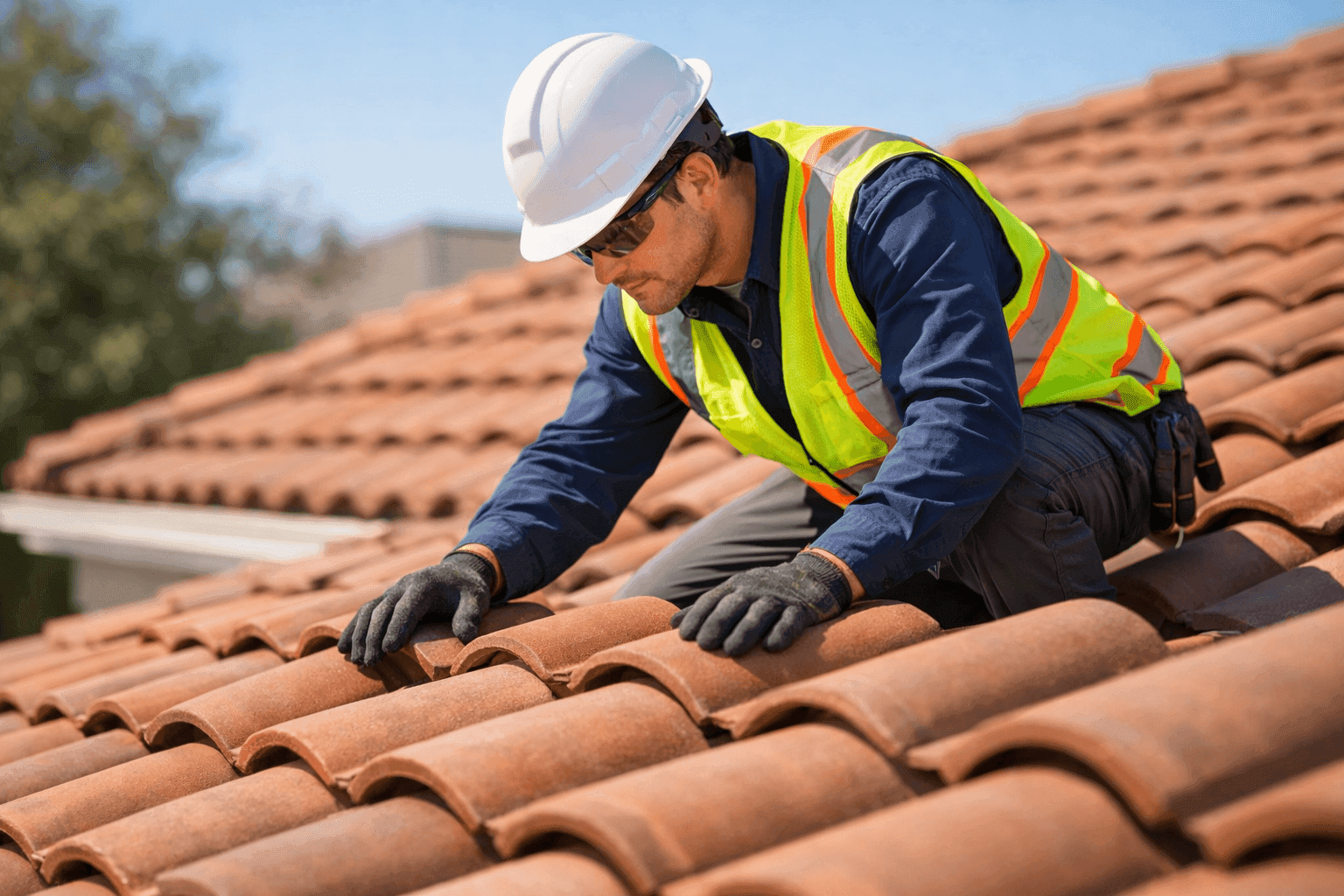
Tile roofs stand strong through blazing summers, pounding storms, and winter’s chill. But even the toughest roof needs a little help to weather the years. If you’re reading this, you probably value your home or business—and want your tile roofing to last. You’re in the right place.
At KRB Contractors Roofing, we’ve seen what works, what fails, and how small steps can make a big difference. Here’s your guide to smarter tile roofing care, with real steps you can use—whether you’re a homeowner or a property manager.
Tile Roofing Benefits
Why do so many homeowners and businesses choose tile roofing? Simple: it’s like armor for your property. Tile roofs aren’t just beautiful; they’re legendary for their durability. Here’s what makes them stand out:
- Long lifespan—often 50 years or more
- Natural insulation—keeps interiors cooler in summer, warmer in winter
- Fire and pest resistance
- Minimal environmental impact—many tiles are made from earth-friendly materials
- Classic curb appeal that never goes out of style
But like a classic car, tile roofing needs attention to stay at its best. ⏳
Routine Maintenance Checklist
A maintenance routine is your roof’s best friend. Small, regular steps keep larger problems away. Here’s a checklist to guide you season by season:
- Visual inspection: Walk around your property. Look for slipped, cracked, or missing tiles.
- Gutter cleaning: Clear leaves and debris. Clogged gutters can back up water, damaging both roof and foundation. Gutter Cleaning is essential.
- Moss and algae removal: Use a soft brush or approved cleaning solution. Never power-wash—it can break tiles.
- Check roof valleys and flashing: These are prime spots for leaks.
- Test downspouts: Make sure water flows freely away from the house.
- Look inside: Check attic ceilings for water stains, especially after storms.
Tip: Schedule a professional inspection at least once a year. According to the National Roofing Contractors Association, this is key to catching issues early.
Common Repair Needs
Even the best tile roof will face repair needs over time. Here are the most common culprits:
- Cracked or broken tiles: Foot traffic, hail, or falling branches can cause damage.
- Loose or slipped tiles: Wind uplift or aging fasteners are often to blame.
- Leaks around flashing: Chimneys, skylights, and valleys are weak points.
- Mortar deterioration: Older roofs may have mortar holding ridge tiles in place.
Ignoring these issues is like letting a slow leak drip under your kitchen sink—eventually, the damage adds up. Early repairs often save money (and headaches) down the road.
For damaged tiles, professional Roof Repair is usually the safest bet.
Preventing Tile Damage
Prevention is the unsung hero of home care. Here’s how to keep your tile roofing in top shape:
- Stay off the roof: Walking on tiles can crack them. If you must, step only where tiles overlap, using a padded board to spread your weight.
- Trim overhanging branches: Falling limbs and constant shade invite moss and breakage.
- Control moss and algae: These can wedge tiles apart or hold moisture against the roof.
- Install gutter guards: Keeps leaves out, reducing cleaning time and water overflow.
Routine Preventative Maintenance is the difference between a roof that lasts and one that lets you down.
When to Replace Tiles
When is a repair enough, and when is it time for replacement? Here are signs you shouldn’t ignore:
- Multiple cracked, loose, or missing tiles
- Persistent leaks even after repairs
- Sagging roof deck or visible structural issues
- Tiles that have lost their surface glaze or appear heavily weathered
If you see several of these, it’s time to consider a larger fix—or even a new roof. Not sure? A professional inspection can give you a clear answer.
Quick Safety Checklist
Before you climb or inspect, safety comes first:
- Use a sturdy ladder on level ground.
- Wear rubber-soled shoes for grip.
- Never climb in wet or windy conditions.
- Be mindful of power lines or nearby hazards.
Remember, tile roofs are slippery and fragile. Sometimes, it’s safest to leave inspections to the pros.
DIY vs. Call a Pro
Some tasks are simple, like clearing gutters or a gentle moss sweep. But if you spot broken tiles, leaks, or structural problems, calling a professional is the wise move.
Fixing tiles isn’t just about swapping one out. It’s about matching materials, using the right fasteners, sealing against leaks, and not damaging neighboring tiles in the process. Roofing codes and OSHA guidelines exist for a reason—your safety and your property’s protection.
What Pros Do On Arrival
When a roofing specialist from KRB Contractors Roofing arrives, here’s what you can expect:
- Thorough inspection—not just the visible tiles, but underlayment, flashing, and gutters.
- Leak detection—using both inside and outside checks.
- Targeted repairs—replacing only what’s needed, ensuring color and material match.
- Advice on maintenance—so you know what to watch for next season.
Costs & Time Factors
Tile roofing repairs vary in price, depending on tile type, damage extent, and accessibility. Minor repairs may take an hour or two. Larger jobs—like replacing underlayment or multiple tiles—can take a day or more.
Investing in maintenance is often less expensive than major repairs or full replacement. It’s the difference between tuning up your car and buying a new engine.
When It’s an Emergency
Some problems can’t wait:
- Water pouring in after a storm
- Large sections of missing tiles
- Structural sagging or collapse risks
In these cases, call for emergency roofing services immediately. Fast response can minimize damage to your home or business.
Seasonal Considerations
Spring and fall are prime times for inspections. Winter freeze-thaw cycles and heavy summer storms can both test your roof’s strength. After harsh weather, always check for:
- New leaks
- Displaced or cracked tiles
- Debris buildup
Keep your roof clear and cared for all year round for best results. 🏡
Common Mistakes to Avoid
- Power washing tiles: This can damage the surface and force water underneath.
- Using harsh chemicals: Stick to products approved for roofing.
- Delaying small repairs: Little issues become big ones fast.
- Improper walking: One wrong step can crack several tiles.
Signs of Trouble
Don’t ignore these warning signals:
- Stains on ceilings or attic wood
- Dripping sounds during rain
- Curled or warped underlayment visible under tiles
- Excessive moss or lichen growth
Spot any of these? It’s time to act.
Timeline & Disruption
Most tile roof repairs are quick and cause little disruption. For larger projects, expect some noise and equipment around your property for a day or two. We work efficiently to respect your time and space.
Materials & Equipment
Tile roofs come in clay, concrete, and slate. Each has unique strengths but requires similar care. Always use matching replacement tiles for repairs—mixing types can cause leaks or faster wear.
Pros use safety harnesses, ladders, and specialized tile tools. DIYers should stick to ground-level maintenance unless they have proper training.
FAQs
How long do tile roofs last?
With regular care, 50+ years isn’t unusual.
Are tile roofs eco-friendly?
Yes! Many are made from natural or recycled materials.
Is moss on tile roofing dangerous?
It can be. Moss holds moisture and can pry tiles apart.
How can I find reliable tile roofing near me?
Look for licensed, insured companies with strong local reputations and transparent processes. If you’re in the area, our roofing company is ready to help.
Your tile roof is an investment—one worth defending with a little knowledge and the right help. If you have questions, spot a problem, or want to schedule a checkup, reach out.
Call KRB Contractors Roofing now — or reach us anytime at 855-528-1936 .