Storm Damage Restoration: Steps to Take After Severe Weather
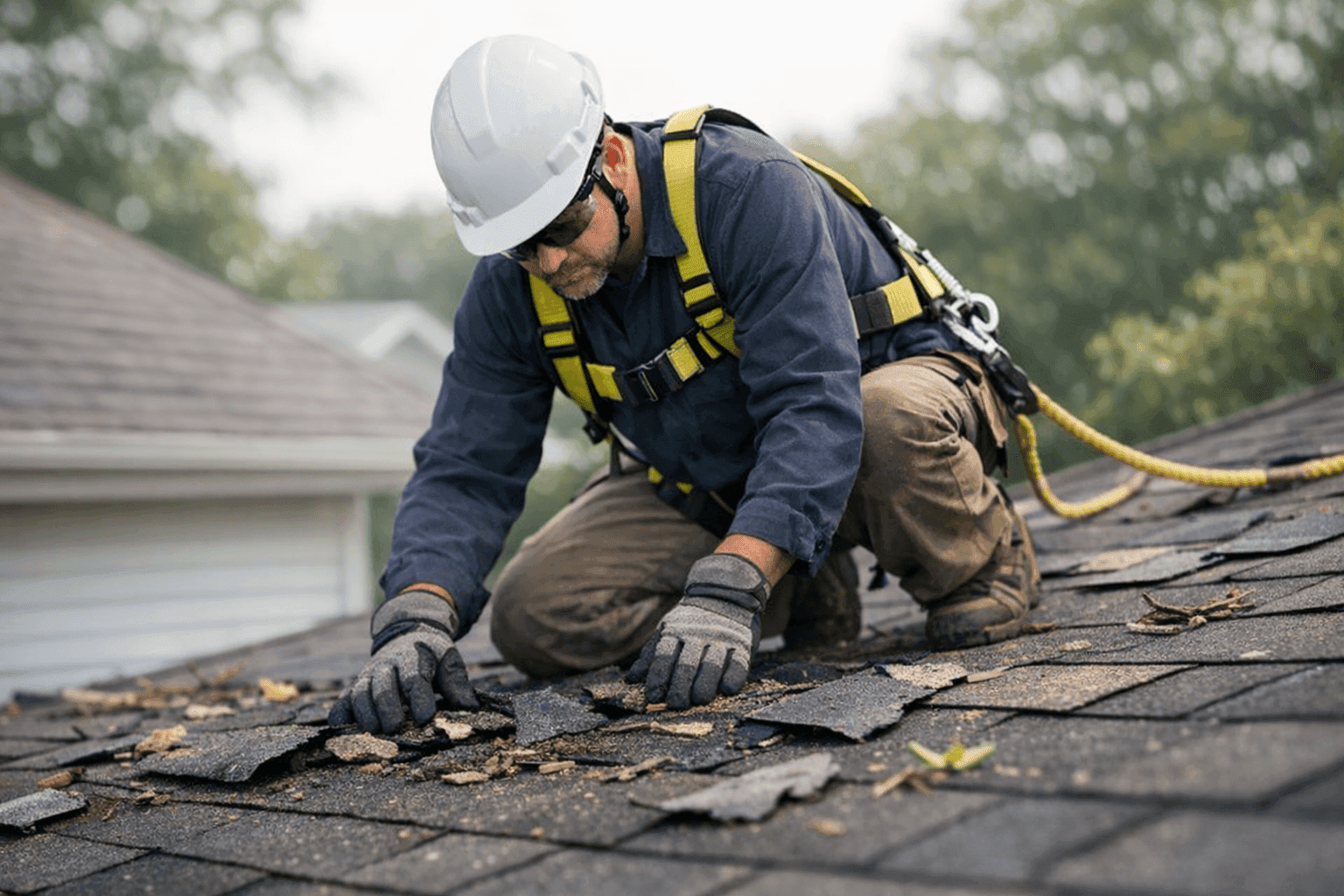
Severe weather doesn’t care about your peace of mind. One moment, your home or business stands strong. The next, shingles are scattered, gutters bent, and water leaks threaten to take over. At KRB Contractors Roofing, we know how overwhelming the aftermath can feel. You want safety, clarity, and a plan.
When your roof is battered by a storm, every minute counts. Acting quickly—and wisely—can mean the difference between minor repairs and major headaches. Here’s how to restore your roof, step by step, after severe weather strikes.
Assessing Roof Storm Damage
After the storm passes, breathe. Before doing anything else, step back and take a wide-lens view. Look for obvious trouble: missing shingles, torn tile roofing, twisted gutters, or anything that seems out of place. From the ground, use binoculars if you have them. Don’t rush onto the roof—it’s safer to observe from below.
Common storm impacts include:
- Broken, cracked, or missing shingles and tiles
- Dents in metal roofing or flashing
- Granule loss exposing black shingle underlayment
- Bent, detached, or overflowing gutters and downspouts
- Debris like tree branches or windblown objects
- Water stains or leaks in your attic or ceilings
If you notice any of these, your roof likely needs attention. For “Tile Roofing near you,” noting the specific damage helps your roofer plan repairs.
Safety First: Protecting Yourself and Others 🛑
Hazards linger after every storm. Wet surfaces are slick. Power lines can be down or hidden. Broken skylights, nails, and sharp debris may be scattered on walkways and driveways.
- Stay off the roof unless you have roofing experience and proper safety gear.
- Watch for loose wires—call your utility provider if you see any.
- Avoid heavy branches or unstable trees.
- Keep children and pets inside until the area is secure.
The National Roofing Contractors Association recommends only professionals inspect storm-damaged roofs up close. Your safety is more important than a quick look.
Quick Safety Checklist
- Look for standing water or leaks inside your home or building.
- Check if your smoke and carbon monoxide detectors still work.
- If you smell gas or see major electrical hazards, leave immediately and call 911.
Even if everything “looks” fine, hidden dangers can exist. It’s always better to wait for help than risk injury.
Temporary Repairs to Minimize Further Damage
When water is coming in, every second matters. If you can safely reach problem areas, use a heavy-duty tarp, plastic sheeting, or roofing tape to cover holes. Secure edges with sturdy nails or duct tape. For leaks inside, place buckets or pans under drips and move valuables out of harm’s way.
Temporary fixes buy you time. They’re like putting a bandage on a wound until the doctor arrives. Don’t skip this step, but don’t treat it as a permanent solution either.
Documenting Damage for Insurance Claims 📸
Insurance companies need proof. Start a photo log as soon as it’s safe, even before you move debris. Capture:
- Wide shots of the entire roof and property
- Close-ups of missing tiles, dented metal, or broken gutters
- Interior shots of leaks, stains, or ceiling damage
- Damaged skylights, chimneys, flashing, or vent pipes
Keep all receipts for emergency supplies and any temporary repairs you make. Write down the date, time, and a short description of each photo. This record will be your best ally when filing a claim and working with adjusters.
Calling in the Pros: When to Get Help
Some repairs are meant for the professionals. If you see:
- Sagging rooflines or visible structural damage
- Major leaks that worsen quickly
- Large areas of missing or torn-off roofing
- Unstable gutters, skylights, or chimneys
It’s time to call a licensed, insured roofing company. KRB Contractors Roofing handles emergencies, storm damage restoration, and complex roof repairs for both homes and businesses. We’re here for you when the stakes are high.
What Professional Roofers Do on Arrival
When our team arrives, we follow a proven process:
- Comprehensive inspection: We examine the entire roofing system—shingles, tiles, flashing, gutters, skylights, attic, decking, and ventilation.
- Photo documentation: We build on your photos with our own, using industry-standard techniques.
- Emergency stabilization: We secure loose materials, apply tarps, and address major leaks on the spot.
- Repair plan: We review options for repair or replacement, explain materials, and outline timelines and costs.
- Support with insurance: We provide detailed reports to help you communicate with your insurer.
Our goal is to restore your roof safely, efficiently, and with minimal disruption.
DIY vs. Professional Storm Damage Restoration
Some homeowners are handy. For minor gutter cleaning or clearing small branches, DIY can be safe. But when it comes to storm-damaged roofs, the risks are high. A single misstep can cause more damage—or serious injury.
Professional roofers bring:
- The right safety equipment (harnesses, ladders, helmets)
- Knowledge of building codes and storm-resistant techniques
- Access to commercial-grade materials and tools
- Experience with both residential and commercial roofing systems
When in doubt, call for help. The cost of a mistake is often much higher than the cost of professional repair.
Signs of Trouble: What to Watch For
Not all storm damage is obvious. Some problems fester quietly until they become major issues. Keep an eye out for:
- Water spots or bubbling paint on ceilings and walls
- Odd smells or increased humidity indoors
- Drafts, rattling noises, or visible light in the attic
- Loose or jammed gutters and downspouts
If you notice these signs, don’t wait. Early action prevents bigger headaches down the road.
Timeline and Disruption: What to Expect
Every storm is different. Some repairs take a day; others, especially if structural repairs are needed, may take longer. Most roofers will prioritize emergency stabilization first, then schedule follow-up work as weather and materials allow.
Plan for:
- Noise and some disruption during repairs
- Temporary loss of roof access (if you have rooftop equipment or HVAC)
- Occasional delays, especially after widespread storms
Clear communication with your roofing team makes the process smoother for everyone.
The Role of Building Codes and Safety Guidelines
Roof repairs and storm restoration must follow local building codes and safety rules. The International Building Code (IBC) and OSHA guidelines set standards for materials, installation, and worker safety. Professional roofers keep up with these rules, so you don’t have to worry about compliance or future inspections.
Costs, Materials, and Insurance Factors
The price of storm damage restoration depends on:
- Size and type of your roof (shingle, tile, metal, flat, etc.)
- Extent of damage (surface vs. structural)
- Materials used for repairs or replacement
- Labor and emergency service timing
Your insurance may cover much of the cost, especially if you document everything and act promptly. Most policies require you to prevent further damage, so those temporary repairs matter.
Preventative Maintenance for Future Storms 🛠️
After repairs, take steps to guard against future storms:
- Schedule annual roof inspections
- Clean gutters and downspouts regularly
- Install impact-resistant materials where possible
- Trim trees and remove overhanging branches
- Ask about reinforced flashing, sealants, or coatings suitable for your roof type
Preventative maintenance is like giving your roof a shield. With regular care, you’ll be ready when the next storm rolls in.
When It’s an Emergency: What Counts and What to Do
If you have:
- Water pouring in or flooding
- Collapsed sections of roof or ceiling
- Exposed electrical wiring
- Unstable structures
This is an emergency. Call 911 if lives are at risk, then reach out for Emergency Services from a qualified roofer. Don’t try to fix major issues on your own.
Common Mistakes After Storms
- Climbing onto a wet or damaged roof without protection
- Waiting too long to document damage or call your insurance
- Using makeshift materials that don’t hold up
- Ignoring subtle warning signs inside your building
Avoid these, and your recovery will be smoother.
Seasonal Considerations: Timing Matters
Storms don’t just happen in summer. Heavy snow, ice, and wind in winter can also stress your roof. Schedule repairs and inspections before each major weather season. For those in colder climates, look for ice dams or heavy snow buildup. For warmer, wetter regions, ensure roof ventilation and drainage are up to the task.
FAQ: Storm Damage and Roof Restoration
Q: How soon should I call for help after a storm?
A: As soon as you spot damage or leaks. Quick action prevents bigger problems.
Q: Will my insurance cover all repairs?
A: It depends on your policy and the cause of damage. Document everything and speak with your adjuster.
Q: Can you repair just the damaged section of my roof?
A: Often, yes. But sometimes full replacement is safer or more cost-effective. We’ll walk you through your options.
Q: What if I need both gutter and roof repairs?
A: We handle both. See our Roof Repair and gutter services for more details.
Restoring Your Roof, Restoring Your Peace of Mind
Storms test the strength of your roof—and your resolve. At KRB Contractors Roofing, we’re committed to helping you recover quickly, safely, and with confidence. Whether you need leak repair, tile roofing, gutter installation, or full storm damage restoration, we have the skills and tools to help.
If you’re searching for a dependable roofing company after a storm, or for roofing services in your area, reach out today.
Call KRB Contractors Roofing now — or reach us anytime at 855-528-1936 .