The Science of Roof Coatings: Reflectivity, Longevity, and Waterproofing
When storm clouds gather, or the summer sun beats down, your roof stands between you and the elements. But even the sturdiest roofs need a shield. That’s where roof coatings come in—quietly extending the life and strength of your roof.
At KRB Contractors Roofing, we’ve seen firsthand how the right coating transforms a worn rooftop into a fortress. Whether you own a cozy home or a sprawling commercial property, the science of coatings matters. Let’s break it down.
What Is a Roof Coating?
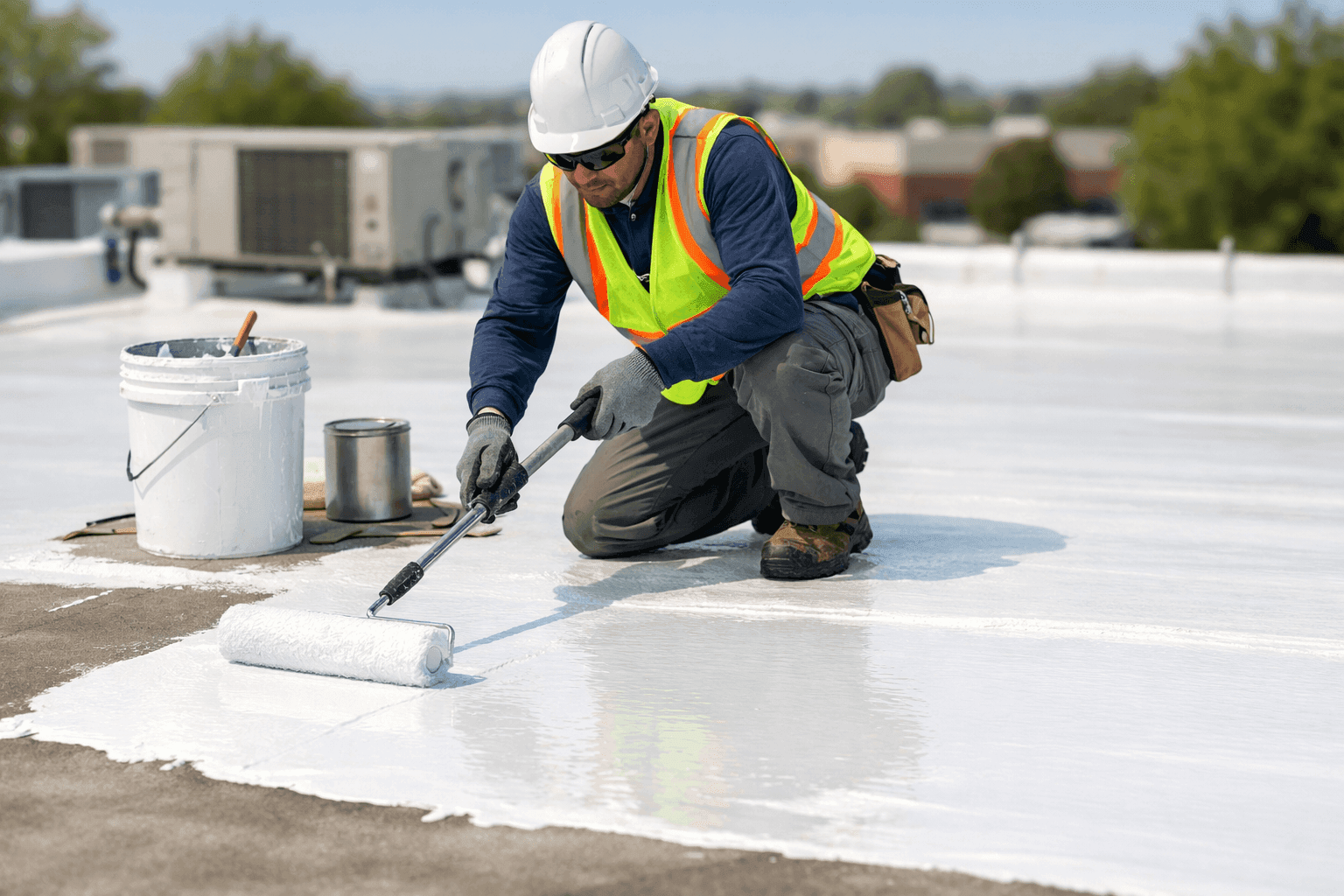
A roof coating is much more than a layer of paint. Think of it like a raincoat for your building—flexible, tough, and designed to repel water and reflect sunlight. Applied as a liquid, it forms a seamless, protective skin over your existing roof.
This barrier guards against UV rays, ponding water, and temperature swings. For property owners searching for “Tile Roofing near you” or wanting to upgrade a flat roof, coatings are a game-changer.
Types and Benefits of Roof Coatings
Not all coatings are created equal. The right one depends on your roof type and local climate.
- Acrylic coatings: Popular for their brightness and reflectivity. Great for sun-drenched areas.
- Silicone coatings: Stand up to ponding water; ideal for flat roofs and rainy climates.
- Polyurethane coatings: Tough, abrasion-resistant, and suited for roofs with heavy foot traffic.
- Asphalt coatings: Traditional, reliable, and often used on older commercial roofs.
Why consider a roof coating?
- Extends roof lifespan by 10–20 years.
- Boosts energy efficiency, lowering cooling costs.
- Delays expensive tear-offs or replacements.
- Adds an extra layer of waterproofing and protection.
The Science of Reflectivity ☀️
Imagine walking barefoot on blacktop at noon—ouch, right? A dark, uncoated roof reacts the same way, soaking up heat. Reflective coatings turn that blacktop into a white sand beach, bouncing the sun’s rays away.
The Environmental Protection Agency (EPA) notes that cool roof coatings can lower rooftop temperatures by up to 50°F. This translates to cooler interiors and less strain on your HVAC system. For commercial buildings, especially those with Flat Roofs, this can mean substantial energy savings.
Waterproofing Properties: Keeping Moisture Out
Water is relentless. Even the smallest crack can let in moisture, leading to leaks, mold, and structural damage. Roof coatings work like a waterproof barrier—sealing seams, cracks, and tiny gaps before trouble starts.
Tested under ASTM International standards, quality coatings block water intrusion even after years of sun and rain. This is especially critical for flat roofs and areas with heavy rainfall. For property owners with skylights, gutters, or complex flashing, coatings add peace of mind.
Longevity: How Coatings Extend Roof Life
Roofing materials age with every freeze, thaw, and sunbeam. But a well-applied coating acts like sunscreen—protecting against ultraviolet rays and thermal shock.
Many coatings can extend a roof’s life by a decade or more. According to the National Roofing Contractors Association (NRCA), routine recoating can double a typical flat roof’s lifespan. That’s less landfill waste and more money kept in your pocket.
When to Apply a Roof Coating
Timing matters. The best time to coat is before major leaks or visible damage appear. Early application prevents small issues from becoming big headaches.
Look for these signs:
- Fading or chalking on the roof surface
- Minor leaks or damp spots inside
- Cracks or brittle areas on your flat or metal roof
If your building is due for maintenance, consider sealants and coatings as part of your next inspection.
Application: How Pros Do It
A quality roof coating is only as good as its application. Here’s how KRB Contractors Roofing approaches the process:
- Inspection: We check for damage, loose flashing, or failing seams.
- Cleaning: Power-washing removes dirt, algae, and old coatings.
- Repairs: Addressing leaks, cracks, and flashing issues before coating.
- Application: Rolling or spraying the coating in even layers, paying special attention to trouble spots.
- Cure time: Allowing the coating to set—typically 24–48 hours, depending on weather.
Safety Checklist Before Coating 🦺
- Confirm the roof’s structural integrity.
- Ensure all electrical and HVAC equipment is protected.
- Use fall protection and safety harnesses.
- Check weather forecasts—never coat before rain or freezing temps.
The Occupational Safety and Health Administration (OSHA) provides safety requirements for rooftop work. Always prioritize safety, whether you’re hiring pros or tackling minor maintenance yourself.
DIY vs. Pro Application
Some coatings are marketed for DIY use. But there’s more to it than slapping on a layer of paint.
DIY might be okay if:
- You’re coating a small, low-slope shed or garage.
- You have safety gear and experience working at heights.
Call in the pros when:
- The roof is steep, large, or multi-story.
- There’s existing damage or multiple layers of old coatings.
- You want warranty-backed products and a flawless finish.
Maintenance: Keeping That Shield Strong
A coating is not “set it and forget it.” Here’s how to keep it working:
- Inspect annually for bubbles, cracks, or worn spots.
- Clean off debris, leaves, and algae.
- Repair small issues quickly to avoid bigger repairs later.
- Recoat every 5–10 years, depending on product and weather exposure.
Routine maintenance—paired with regular roofing services—keeps your roof in peak condition year-round.
Eco-Friendly Options for Sustainable Roofing
Today’s coatings go beyond protection—they can help the planet, too. Many products are low-VOC (volatile organic compound), reducing harmful emissions. Reflective “cool roof” coatings cut down on energy use and urban heat islands.
For property owners seeking Eco-Friendly Options, modern coatings are a smart, sustainable choice.
Real-World Performance: What Data Shows
Studies from the Cool Roof Rating Council (CRRC) and U.S. Department of Energy highlight measurable benefits:
- Lowered cooling costs by 7–15% in many commercial buildings.
- Reduced peak surface temperatures.
- Fewer emergency repairs after severe storms.
Homeowners and business owners alike see real return on investment—both in comfort and in cost savings.
Common Mistakes to Avoid
- Skipping repairs before coating—this traps problems under the surface.
- Ignoring manufacturer’s instructions for cure times or temperatures.
- Applying too thin or uneven a layer, which leads to early wear.
A little patience and prep work go a long way.
Roof Coatings and Storm Damage
After hail, wind, or heavy rain, a roof coating can be part of your storm damage restoration plan. It seals up small punctures and shields vulnerable spots until permanent repairs are made.
Always inspect your roof after a major weather event—early action prevents further damage.
Costs and Time Factors
Roof coating is a fraction of the cost of a new roof. Most projects wrap up within a few days, depending on size and weather. For many, it’s the fastest, least disruptive way to protect your investment.
FAQ: Roof Coatings
How long does a roof coating last?
Typically 10–20 years with proper maintenance.
Will a roof coating stop all leaks?
It seals minor cracks and seams, but major damage needs repair first.
Can you coat any roof?
Most flat and low-slope roofs are ideal. Some sloped or shingle roofs require specialty products.
Ready to protect your roof from the elements—and save on energy bills? For reliable coatings, lasting results, and friendly service, choose KRB Contractors Roofing.
Call KRB Contractors Roofing now — or reach us anytime at 855-528-1936 .