Roofing for Modern Architecture: Flat, Green, and Metal Roof Trends
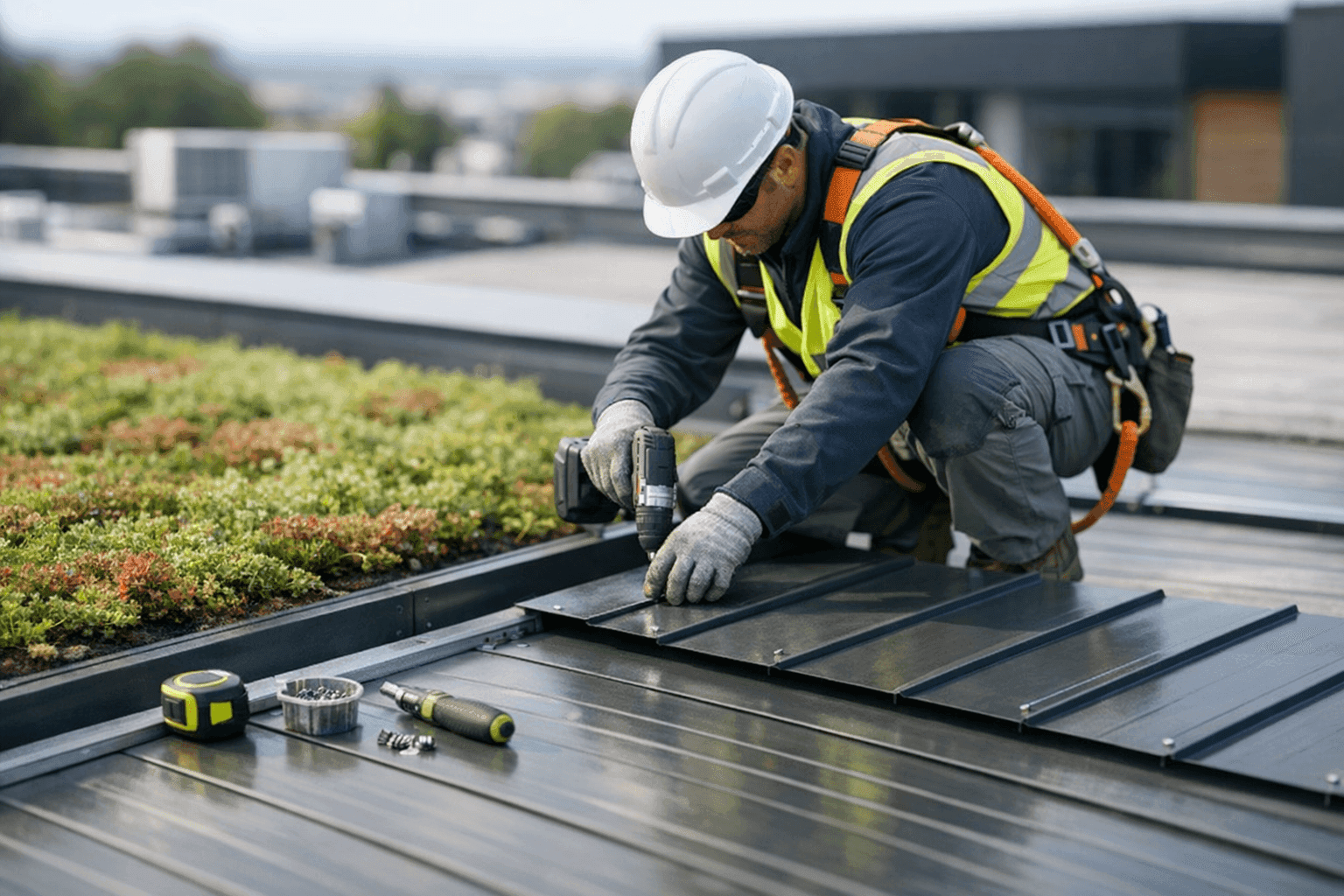
When architecture turns modern, the roof isn’t just a lid—it’s the crown. Homeowners and building managers want something that looks sharp and lasts. Maybe you see flat silhouettes, lush green rooftops, or metal panels gleaming in the sun and wonder: is this right for me? The answer isn’t just about looks—it’s about what works for your space, your climate, and your future.
At KRB Contractors Roofing, we bring decades of hands-on experience to every project. We know what works, what lasts, and how to blend the style you crave with the function you need. Let’s dive into the world of modern roofing and see how today’s trends can fit your home or business.
Modern Roof Styles: Where Form Meets Function
Modern design loves crisp lines, open spaces, and new materials. That’s true for roofs, too. The big three in today’s market:
- Flat Roofs: Clean, minimal, and surprisingly versatile.
- Green Roofs: Living roofs that turn buildings into gardens.
- Metal Roofs: Sleek, strong, and endlessly customizable.
Each style has strengths. Each can be tailored, whether you’re building new or giving an old roof a fresh start.
Flat Roof Innovations 🏢
Flat roofs are a signature of modern architecture. Think of them as the reliable canvas above your space—simple but packed with potential.
Why Flat Roofs Are In
- Maximize Space: Use the roof for seating, solar panels, or gardens.
- Low Profile: Blends perfectly with boxy, geometric designs.
- Easy Access: Repairs and inspections are less risky than on steep slopes.
For commercial spaces, flat roofs mean HVAC units, skylights, and solar panels are easy to add or maintain. For homes, flat roofs can double as patios or rooftop lounges.
The Tech Behind Flat Roofs
Modern flat roofs go way beyond tar and gravel. Today’s systems use multi-layer waterproof membranes, advanced insulation, and reflective coatings. These help fight leaks, improve energy efficiency, and keep things cool.
- Membranes: TPO, PVC, and EPDM are popular choices—each with distinct weather and UV resistance.
- Insulation: High-R-value boards help cut energy bills.
- Coatings: Reflective or elastomeric coatings bounce heat right off, keeping interiors comfy.
Check with your local code office or the International Code Council (ICC) for roof slope and drainage guidelines. Flat doesn’t mean perfectly flat—there’s always a slight pitch for drainage.
Flat Roofs: Not Just for Commercial
Flat roofs aren’t just for stores and warehouses. Many homes use them for a modern, urban look. If you’re considering a flat roof for your home or business, make sure your contractor is skilled in waterproofing and long-term maintenance.
Green Roof Technology: Living Architecture 🌱
Imagine a rooftop that blooms with wildflowers—or vegetables. Green roofs are more than pretty. They’re smart investments in sustainability.
How Green Roofs Work
A green roof layers soil, plants, and drainage systems over waterproof membranes. The result? A living ecosystem that insulates, filters rainwater, and creates habitat for bees and birds.
- Extensive Green Roofs: Thin soil, low-maintenance plants like sedum. Lightweight.
- Intensive Green Roofs: Deeper soil, shrubs, even small trees. Heavier, but you get more garden.
Benefits Beyond Beauty
- Temperature Control: Plants act like insulation. Cooler in summer, warmer in winter.
- Stormwater Management: Green roofs soak up rain, reducing runoff and erosion.
- Clean Air: Plants filter dust and pollutants.
- Sound Insulation: Soil and greenery dampen noise from traffic or neighbors.
If you want your modern building to stand out and give back, green roofs are a remarkable choice. Some cities even offer tax incentives for eco-friendly roofing—check your local sustainability office for details.
Curious about other Eco-Friendly Options? There’s a wide world of sustainable roofing out there.
Metal Roof Advancements: Sleek Strength for Modern Builds 🛡️
If a roof were armor, metal would be the shining knight. Metal roofing has surged in popularity, and for good reason.
Metal Roofing: What’s New?
Today’s metal roofs aren’t just corrugated tin on barns. You’ll find:
- Standing Seam Panels: Long, vertical lines that say “modern” from a mile away.
- Cool Roof Coatings: Special finishes reflect heat and resist fading.
- Color Choices: From subtle grays to bold blues and reds.
Performance You Can Count On
- Durability: Metal resists wind, hail, and fire.
- Low Maintenance: No warping, no rot, and little need for patching.
- Lightweight: Reduces stress on your building’s structure.
- Longevity: Many systems last 40+ years with basic care.
Worried about noise? Modern underlayments keep rain “drumming” to a whisper.
Metal Roofs for Homes and Businesses
Metal isn’t just for factories. More homeowners are choosing it for its sleek look and long-term value. If you’re considering Metal Roofing, ask about energy efficiency ratings and local wind uplift requirements (see the Metal Construction Association for standards).
Maintenance and Care: The Secret to Longevity
Modern roofs are built to last—but only if you give them the attention they deserve.
Routine Checks
- Inspect twice a year, especially after storms.
- Clear debris from drains, gutters, and roof surfaces.
- Check seals around vents, skylights, and flashing.
Flat Roof Care
Ponding water is the enemy. Even a “flat” roof needs a slight slope. Look for soft spots or bubbling in the membrane—these are early warning signs.
Green Roof Upkeep
Watering, weeding, and periodic soil checks keep living roofs healthy. Irrigation systems can help during dry spells.
Metal Roof Maintenance
Inspect fasteners and seams for movement or rust. Touch up coatings if scratches appear. Clean leaves and branches to prevent water dams.
Signs of Trouble: Don’t Ignore These Red Flags
- Unexplained leaks or damp spots on ceilings
- Visible cracks or blisters in roofing materials
- Loose or missing flashing
- Blocked or overflowing gutters
If you spot these, act fast. Delaying repairs can turn a quick fix into a costly overhaul.
Seasonal Considerations
- Spring: Clean away winter debris, check for snow or ice damage.
- Summer: Inspect for UV and heat damage, especially on membranes and coatings.
- Fall: Clear leaves from drains and gutters.
- Winter: Watch for ice dams and heavy snow loads on flat or green roofs.
DIY or Call a Pro? Knowing When to Reach Out
Some maintenance is safe for handy homeowners—like cleaning gutters or clearing debris. But if you see any structural issues, leaks, or suspect membrane damage, it’s time to call in a professional roofing contractor.
Remember: Working at heights is dangerous. Always follow OSHA’s fall protection guidelines.
What to Expect From a Pro Visit
When a professional arrives, they’ll:
- Inspect the roof surface, seams, and flashing.
- Check insulation and ventilation.
- Look for signs of wear, ponding, or plant stress (on green roofs).
- Recommend repairs or upgrades if needed.
They’ll also help you plan for future maintenance, so small issues stay small.
Cost & Timeline: What to Budget
- Flat Roofs: Moderate to high initial investment. Longer life with good care.
- Green Roofs: Higher up front, but lower cooling/heating bills over time.
- Metal Roofs: Costlier than basic shingles, but last much longer.
Installation times vary by project—flat and green roofs may take longer due to waterproofing and plant establishment. Metal roofs are often faster to install.
Common Mistakes With Modern Roofs
- Skipping professional inspections.
- Ignoring clogged drains or gutters.
- Overlooking the need for slight pitch on flat roofs.
- Choosing the wrong plants for green roofs.
- Trying to patch leaks with hardware-store sealant.
Avoid these pitfalls and your modern roof will serve you well for decades.
Quick Safety Checklist
- Always use proper ladders and harnesses.
- Never walk on damaged or wet roofing.
- Keep tools and materials organized—avoid trip hazards.
- If you’re unsure, call a roofing specialist.
When It’s an Emergency
Storm damage, major leaks, or partial roof collapse? That’s urgent. Turn off electricity to affected areas. Place buckets or tarps to control water. Then call a professional immediately.
FAQs: Modern Roofs Uncovered
Q: Are flat roofs more likely to leak?
A: Not if installed and maintained properly. Modern membranes are extremely reliable when applied by skilled crews.
Q: How green is a green roof?
A: Very—if you choose native, drought-resistant plants and eco-friendly layers. They reduce energy use and stormwater runoff.
Q: Will a metal roof make my home hotter?
A: Not with today’s cool roof coatings. In fact, metal often keeps interiors cooler than dark shingles.
For more answers or specific questions, our team is happy to help.
Timeline & Disruption: What to Expect During Installation
- Flat and green roofs: May require more prep and drying time.
- Metal roofs: Usually faster, with less noise and debris.
Expect some noise, but skilled crews keep disruption to a minimum. We’ll help you plan around your schedule.
Materials & Equipment: What’s Involved
- Flat Roofs: Membranes, insulation boards, adhesives, reflective coatings.
- Green Roofs: Root barriers, drainage mats, growing medium, irrigation.
- Metal Roofs: Panels, fasteners, underlayment, venting systems.
All must meet local building codes—ask to see your contractor’s documentation and certifications.
Why Choose Modern Roofing for Your Next Project?
Modern roofs don’t just look good. They save energy, cut noise, and handle tough weather. Whether you’re planning a new build or looking to upgrade, KRB Contractors Roofing brings skill and insight to every job.
If you’re searching for roofing specialists in State College, we’re ready to help you blend style, strength, and sustainability.
Call KRB Contractors Roofing now — or reach us anytime at 855-528-1936 .