Roofing for Flat Roof Decks: Waterproofing and Maintenance Essentials
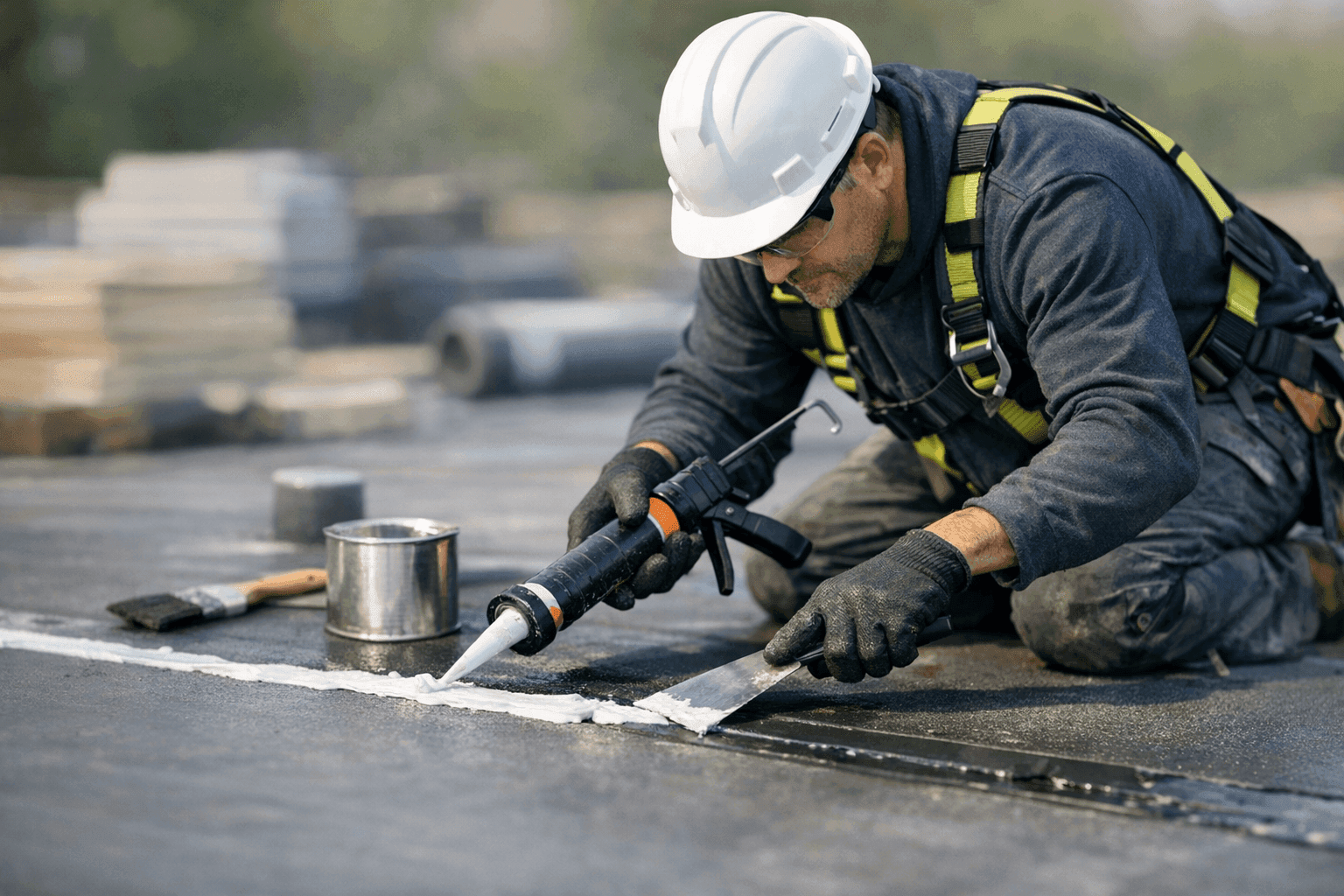
If you own a flat roof deck, you know the worry. One hard rain, and suddenly you’re watching for drips in the hallway. Water sneaks into places you can’t see, quietly eating away at your investment.
At KRB Contractors Roofing, we get it. Flat roof decks require special care—more than sloped roofs, more than patios. We help homeowners and property managers protect what matters most. Here’s how to keep your deck dry, safe, and built to last.
Why Waterproofing Matters
Imagine your flat roof deck as a raincoat for your building. If there’s a tear or weak spot, water slips in and soaks everything underneath. Over time, that water can rot wood, rust metal, and even sneak into walls—much like a slow leak in a boat that eventually sinks it.
Waterproofing is not just a “nice to have.” It’s the backbone of roof deck health. Without it, leaks become inevitable. The right waterproofing stops water in its tracks, no matter how hard it pours.
Best Waterproofing Products for Flat Roof Decks 🛡️
Choosing the right product is like picking the best umbrella in a storm. It has to be tough and built for your specific needs.
- Liquid-applied membranes: These go on like thick paint and cure into a seamless barrier. They’re flexible and perfect for odd-shaped decks.
- Self-adhesive sheets: These peel and stick right onto your deck, creating a strong, uniform shield.
- Elastomeric coatings: These rubbery coatings stretch and flex, ideal for decks that see temperature swings.
- Bituminous waterproofing: Classic, proven, and great for larger commercial spaces.
Look for products that comply with the International Building Code (IBC) and local regulations. At KRB Contractors Roofing, we use only materials tested for tough Florida weather.
Learn more about our decking or sealants and coatings solutions.
Maintenance Routines That Save Roof Decks
Routine care isn’t glamorous, but it prevents disasters. Think of it like brushing your teeth—skip it, and the problems multiply.
- Sweep debris: Keep leaves, sticks, and dirt off the surface. Debris traps moisture and invites mold.
- Check drains and gutters: Water should flow away fast. Clear clogs before puddles form.
- Inspect seams and corners: These are the weak spots. Look for cracks, blisters, or peeling.
- Reapply sealants: Every few years, refresh protective coatings. Florida’s sun and storms wear them down.
- Schedule annual inspections: A professional eye catches trouble before it becomes expensive.
Signs of Deck Leaks: What to Watch For
Leaks don’t always announce themselves with a downpour in your living room. Small clues can help you spot trouble early:
- Damp spots or discoloration on ceilings below the deck
- Bubbles or blisters in the deck’s surface
- Peeling paint or warped boards
- Musty smells (a sign of hidden mold)
- Soft spots underfoot
Don’t shrug these off. Small leaks can hide bigger problems.
Flat Roof Deck Leak Repair Steps
Caught a leak? Here’s how the repair process usually unfolds:
- Locate the source: Water travels. The visible drip may be far from the actual breach.
- Dry the area: Repairs won’t stick to damp surfaces.
- Remove damaged materials: Cut out wet insulation, decking, or membrane.
- Seal the breach: Apply new membrane, patch, or coating based on the original material.
- Test for leaks: Hose down the area to confirm the fix.
- Restore finishes: Reinstall any decking or trim removed for the repair.
If the leak is severe or you’re unsure, call a professional. Some repairs—like those involving electrical lines or major structural damage—require a licensed roofing contractor.
Quick Safety Checklist for Flat Roof Work
Safety first. Every time. Here’s what we recommend before stepping foot on any roof deck:
- Wear non-slip shoes
- Never work alone
- Use a sturdy ladder with spotter
- Avoid going up in wet or windy weather
- Keep tools organized and away from edges
If you ever feel uneasy, stop and call for help. No repair is worth a fall.
DIY vs. Call a Pro: Knowing Your Limits
Some jobs—like sweeping debris or minor caulking—are safe for most property owners. But when you see signs of persistent leaks, structural damage, or electrical hazards, it’s time to bring in skilled roofers.
A professional team brings tools, experience, and safety equipment that DIY solutions can’t match. And for warranties or insurance, repairs by licensed roofing companies are often required.
What Pros Do On Arrival
When KRB Contractors Roofing arrives, here’s what you can expect:
- Full inspection of the deck, seams, and drainage systems
- Moisture testing to find hidden water
- Detailed repair plan with clear steps and timelines
- Use of code-compliant materials and best practices
We treat every deck like it’s our own. No shortcuts.
Prevention & Maintenance: Your Action Plan
Prevention is easier—and cheaper—than repair. Make these steps part of your property care routine:
- Schedule spring and fall inspections
- Keep drains, gutters, and downspouts clear (we offer Flat Roofs)
- Trim overhanging branches
- Address pooling water right away
- Recoat waterproof membranes as recommended
These habits extend the life of your flat roof deck.
Costs & Time Factors
Flat roof deck repairs can range from a quick patch to a full resurfacing. Minor fixes may take a few hours. Major work, like replacing the waterproof membrane, could take several days—especially if weather delays are a factor.
Factors that influence cost:
- Deck size
- Material type
- Severity of damage
- Accessibility
Always get a detailed estimate and timeline before work begins.
When It’s an Emergency
Some leaks can’t wait. If water is pouring in or you see structural damage, treat it as urgent. Move valuables out of harm’s way and call for emergency roofing services right away.
Have a plan for storms: Know where to find buckets, towels, and plastic sheeting. But remember—temporary fixes buy you time, not a solution.
FAQ: Flat Roof Decks
How often should I inspect my flat roof deck? Twice a year—spring and fall—is a smart minimum.
Can I use my deck right after waterproofing? Check the product’s cure time. Some coatings need 24–48 hours to set fully.
Will insurance cover deck leaks? Policies vary. Most cover sudden damage, not neglect. Keep up with maintenance and document repairs.
Seasonal Considerations
Florida’s humidity, sun, and rain work together to test every flat roof deck. Schedule major work for dry months if possible. In hurricane season, clear debris and check for loose flashing before storms arrive.
Common Mistakes to Avoid
- Using the wrong sealant for your deck material
- Ignoring small cracks or bubbles
- Letting drains clog after heavy storms
- Walking on the roof with spiked shoes that can puncture membranes
A little vigilance goes a long way.
Timeline & Disruption
Worried about disruption? Most flat deck repairs are minimally invasive. Our crews work efficiently, keeping noise and mess to a minimum. For larger jobs, we’ll outline a clear timeline so you can plan around the work.
Materials & Equipment We Trust
We use products that meet or exceed ASTM standards. From high-grade elastomeric coatings to durable self-adhering membranes, every material is chosen for long life and proven performance.
Choose KRB Contractors Roofing for Flat Roof Deck Peace of Mind
Your flat roof deck is an investment. Don’t let leaks or poor maintenance wash that away. KRB Contractors Roofing brings years of know-how, quality products, and practical advice to every project.
If you’re searching for Decking or other roofing services near you, or need a trusted roofing contractor, we’re ready to help.
Call KRB Contractors Roofing now — or reach us anytime at 855-528-1936 .