Roofing Disasters: What to Do When Things Go Wrong During a Project
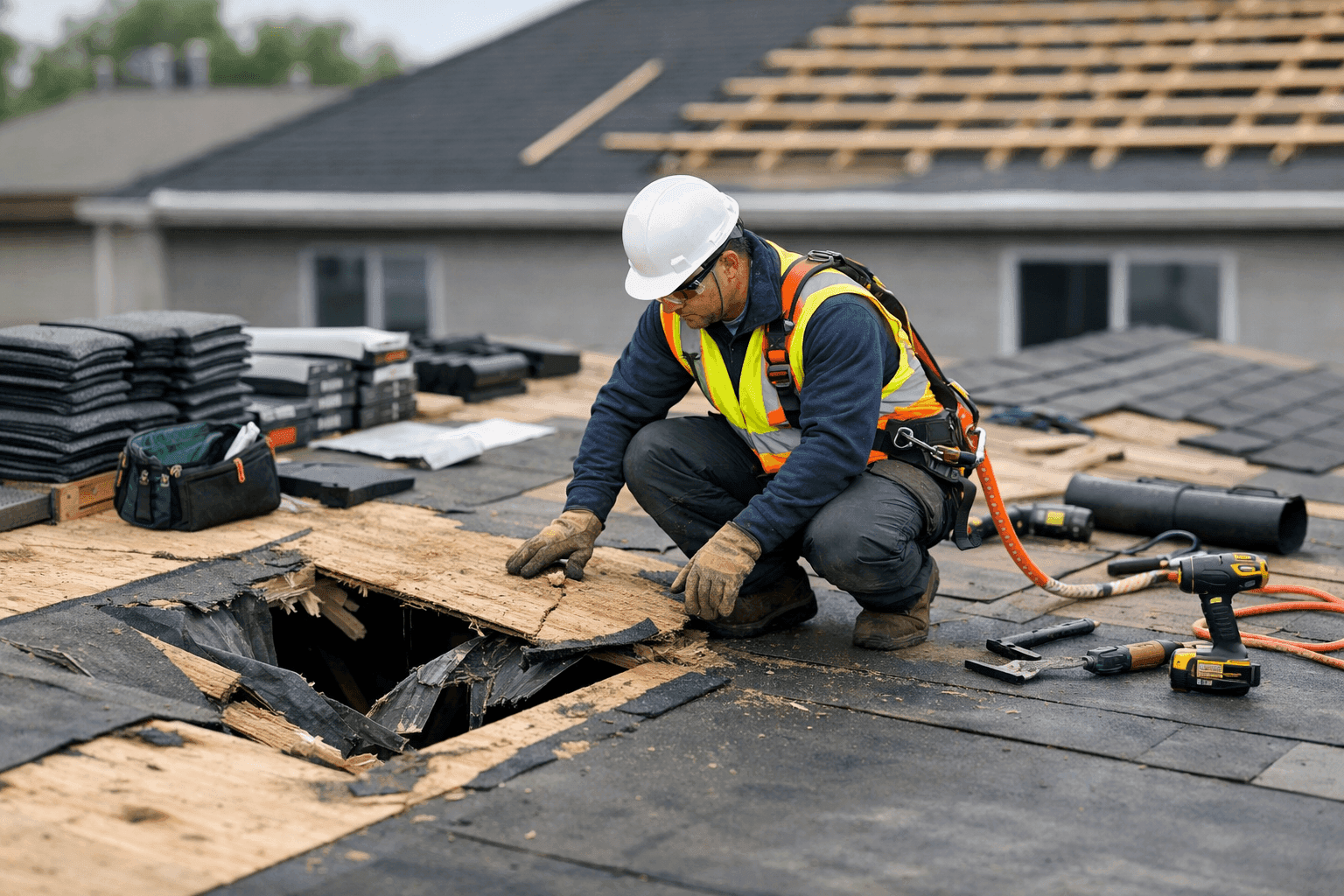
When your roof is torn open and the weather turns, panic can set in like a fast-moving storm. Home or business, the feeling’s the same—your safe space is suddenly exposed. At KRB Contractors Roofing, we’ve seen it all: unexpected leaks, miscommunication, surprise damage, and the mad scramble to fix what’s gone sideways.
If you’re reading this in the middle of a roofing disaster, take a breath. You’re not alone. Years of hands-on experience have taught us that even the worst roofing mishaps can be managed with the right steps. Here’s how to stay calm, take control, and get your project—residential or commercial—back on track.
Common Roofing Project Disasters 🚨
Some problems are as predictable as a thunderstorm in July. Others? They hit without warning. Here are a few scenarios we’ve encountered again and again:
- Sudden leaks or water pouring in during a project
- Tiles or shingles slipping out of place or breaking mid-installation
- Uncovered decking exposed to rain
- Gutter installations going off-track, flooding your foundation
- Incorrect materials delivered or installed
- Safety hazards: unstable decking, loose ladders, or falling debris
- Skylight mishaps—think cracked glass or faulty seals
- Flashing errors leading to chimney or wall leaks
Whether it’s a minor hiccup or a full-blown emergency, knowing the risks helps you spot trouble before it escalates.
Quick Safety Checklist
When disaster strikes, safety comes first. Take a moment to walk through these steps:
- Ensure everyone—family, employees, or pets—is away from hazardous areas.
- Avoid standing water or exposed electrical wiring.
- Don’t climb onto the roof yourself, especially if it’s wet or damaged.
- If water is infiltrating, move valuable items and electronics out of the way.
- If you smell gas or see major structural cracks, evacuate and call emergency services.
Remember: The roof can be replaced. People can’t.
DIY vs. Call a Pro
It’s tempting to grab a ladder and “just fix it.” Sometimes, a quick tarp can prevent a small disaster from becoming a big one. But in most cases, especially with active leaks, sagging, or visible damage, stepping back and calling professionals is the best move.
- DIY is only for very minor, non-structural issues (like gently repositioning a gutter).
- Anything involving water intrusion, electrical risk, or structural failure needs a seasoned roofing contractor.
- For urgent help, emergency services are available around the clock.
What Pros Do On Arrival
When our team arrives, we don’t just patch the problem. We assess the full situation:
- Identify the source of the issue—leaks, misaligned materials, unsafe conditions
- Secure the worksite to prevent further damage or injury
- Install temporary protections (tarps, sealants, covers)
- Document everything for insurance and repair planning
- Determine if roof repair or roof replacement is needed
Our goal: stabilize, communicate, and plan for a permanent fix.
Keeping Calm: Communication with Your Roofing Contractor
Good communication is like flashing on a chimney—it keeps small leaks from becoming major headaches. If something goes wrong:
- Contact your contractor immediately. Don’t wait for things to “work themselves out.”
- Be clear about what you’re seeing—take photos or videos if safe.
- Ask for regular updates and a revised timeline.
- Discuss next steps: temporary fixes, insurance claims, or material replacements.
A trustworthy contractor will be transparent, responsive, and ready to answer questions.
Documentation: Your Secret Weapon
Paper trails aren’t exciting, but they’re powerful. Document everything related to your project mishap:
- Take photos and videos of the damage or issue from multiple angles
- Keep all receipts, delivery notes, and correspondence
- Note the timing of when problems were discovered
- Save any written communication with your contractor
Should you need to file an insurance claim or seek recourse, detailed documentation is your best friend.
Getting Projects Back on Track
Disasters can feel like a detour, but they don’t have to derail your entire project. Here’s how to steer things back:
- Work with your contractor to create a revised project plan
- Prioritize safety repairs (leaks, structural issues) before cosmetic fixes
- Schedule regular inspections before and after repairs
- Confirm that all repairs meet local building codes—refer to the International Building Code (IBC) or your local authority for specifics
Staying organized helps you regain control and confidence.
Prevention: Lessons for Next Time
Some disasters can’t be predicted, but many can be prevented:
- Schedule preventative maintenance, including gutter cleaning and flashing checks
- Opt for quality materials and experienced installers—cheaper isn’t always better
- Ask for regular project updates and on-site inspections
- Ensure proper ventilation and insulation to prevent moisture build-up
- Watch weather forecasts; avoid scheduling major work during stormy seasons
A little planning now can save a lot of stress later.
Seasonal Considerations
Roofing projects behave differently with the seasons:
- Spring: Watch for sudden showers; ensure all underlayment is watertight.
- Summer: High heat can cause materials to warp; work early or late in the day.
- Fall: Falling leaves clog gutters fast—clean as you go.
- Winter: Ice and snow can halt progress; use proper sealants and allow extra time.
Plan your project window wisely to reduce the risk of weather-related disasters.
Costs and Time Factors
Unexpected issues bring unexpected costs. Be prepared for:
- Additional labor for emergency repairs
- Replacement materials (tiles, shingles, flashing)
- Insurance deductibles (if filing a claim)
- Project delays—factor in weather, material shortages, or inspection rescheduling
Transparency is key: request detailed breakdowns from your contractor, and ask about payment schedules before work resumes.
When It’s a True Emergency
Not sure if your roofing disaster is an emergency? Here are the red flags:
- Active leaks during heavy rain or snow
- Signs of structural failure (sagging rooflines, bowing ceilings)
- Exposed electrical wiring or sparking
- Major wind or storm damage (missing shingles, scattered debris)
- Sudden mold growth or water stains inside
If you see these, call for emergency services immediately for professional help.
Common Mistakes to Avoid
It’s easy to make a bad situation worse. Avoid these pitfalls:
- Ignoring early warning signs (small leaks, odd noises)
- Attempting unsafe DIY fixes
- Skipping documentation or not contacting your contractor promptly
- Failing to check credentials or insurance before hiring help
- Rushing the repair—quality takes time
Learning from others’ mistakes helps you sidestep disaster.
Signs of Trouble: What to Watch For
Keep your eyes peeled for these early warning signs:
- Water stains on ceilings or walls
- Dripping sounds after rain
- Curling, cracked, or missing shingles/tiles
- Rust or gaps in flashing
- Blocked or overflowing gutters
- Condensation or poor insulation in attics
Spotting trouble early means faster, more affordable fixes.
Timeline & Project Disruption
How long will repairs take after a disaster? It depends:
- Minor leak repairs: 1–2 days
- Major material replacement: 1–2 weeks
- Structural repairs or full roof replacement: several weeks, especially after storms
Allow time for inspections and weather delays. Ask your contractor for an updated schedule and plan accordingly.
Materials, Equipment, and Quality Control
Problems often stem from the wrong materials or faulty installation. Insist on:
- Manufacturer-approved products for your roof type (tile, shingle, metal, flat)
- Proper underlayment and waterproofing
- Quality fasteners and sealants
- Professional equipment for safe, efficient work
When in doubt, refer to the National Roofing Contractors Association (NRCA) guidelines for best practices.
Frequently Asked Questions
Is it safe to stay in my home during repairs?
If the damage is minor and the structure is sound, yes. For major leaks, falling debris, or structural issues, relocate until repairs are complete.
Will insurance cover my roofing disaster?
Most policies cover sudden, accidental damage (like storm damage). Routine maintenance issues are usually excluded. Check your policy and document everything.
Can I request a different crew if I’m unhappy?
Absolutely. Your contractor should work with you to resolve concerns and provide a team you’re comfortable with.
Real-World Example: Turning Disaster into Resolution
A business in Jeffersonville faced a mid-project storm that drenched their exposed decking. Fast action—covering the site, documenting damage, and clear communication—turned a potential nightmare into a manageable setback. It’s a reminder that the right team and the right steps make all the difference. If you’re looking for a reliable roofing company, see what our roofing services can offer.
Final Thoughts: Stay Calm, Act Smart
Roofing disasters are stressful—but they don’t have to spell doom for your home or business. With preparation, clear steps, and a professional team, you’ll weather the storm and come out stronger.
Call KRB Contractors Roofing now — or reach us anytime at 855-528-1936 .