Roof Leak Repair: Signs, Causes & Fast Fixes
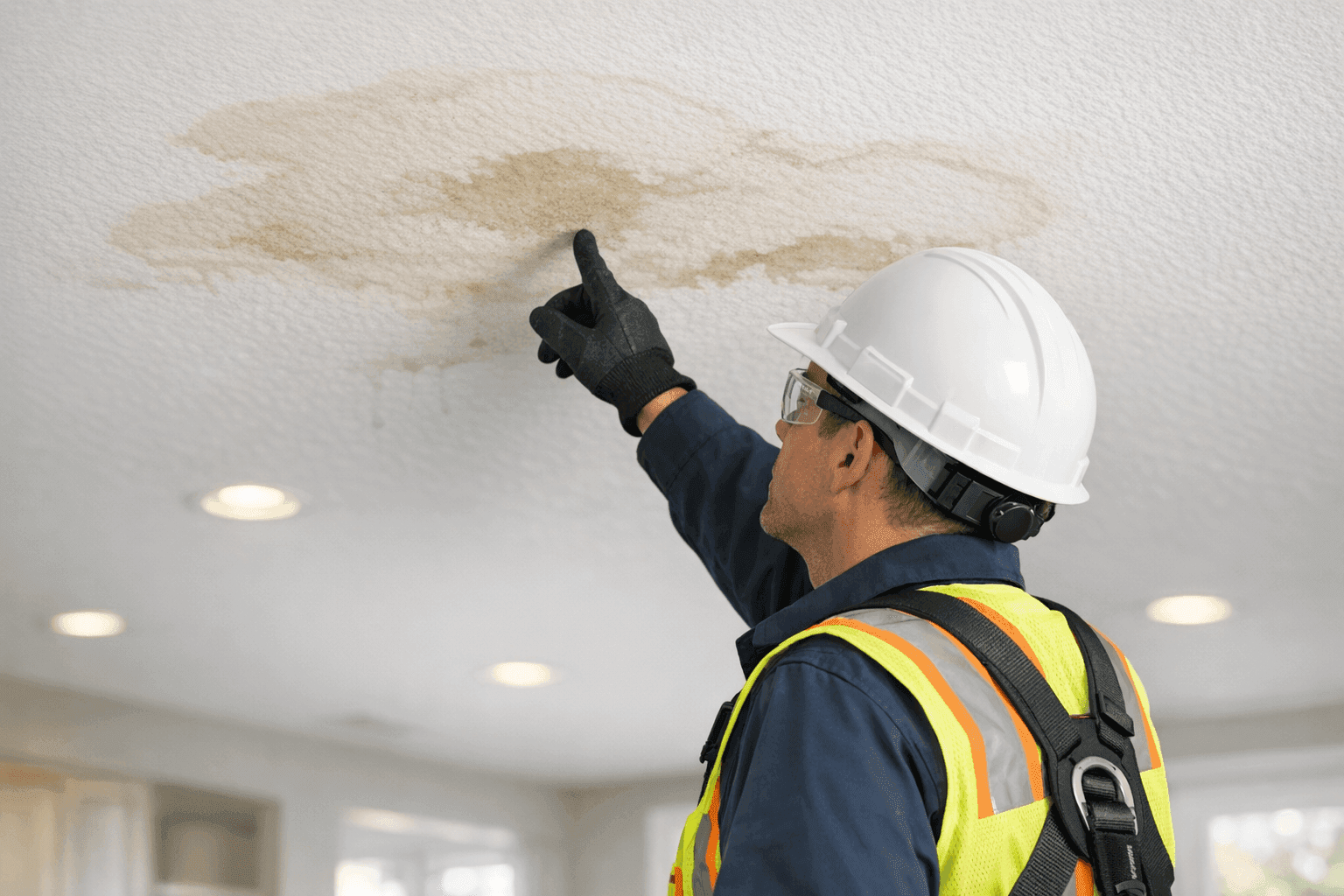
Are you noticing mysterious water spots on your ceiling or unexplained drips after a storm? It’s unsettling. Roof leaks never show up at a convenient time, and even a small leak can turn into a big problem fast.
At KRB Contractors Roofing, we understand how urgent and stressful a leak feels—whether you own a home or manage a business. Our team handles everything from emergency leak repairs to long-term roof maintenance. We're here to help you spot trouble early, act quickly, and keep your property protected.
Common Signs of a Roof Leak
How do you know if your roof is leaking? Some signs are obvious, others sneak up quietly. A leak doesn’t always announce itself with a dramatic drip in the living room.
Here’s what to watch for:
- Ceiling or wall stains: Brown patches or rings, especially after rain.
- Peeling paint or bubbling drywall: Moisture trapped behind surfaces.
- Musty odors: Hidden mold from slow leaks.
- Visible drips or puddles: Especially after a storm.
- Sagging ceilings: Water pooling above.
- Rusty nails or stains in the attic: Check after storms or snow.
- Light streaming through the roof boards: Even a pinhole can let in water.
- Moss, algae, or debris buildup: Especially on flat or low-slope roofs.
Even a small sign can point to a larger issue above. Don’t ignore these signals; they’re your roof’s way of waving a red flag.
What Causes Roof Leaks? 🌧️
Think of your roof as a raincoat for your building. Over time, even the best raincoats develop thin spots, tears, and weak seams.
Typical culprits include:
- Aging materials: Shingles, tiles, or membrane roofs weaken with time.
- Damaged or missing shingles/tiles: Wind, hail, or falling branches are often to blame.
- Failed flashing: The thin metal around chimneys, skylights, and vents can rust, lift, or crack.
- Clogged gutters and downspouts: Water backs up, finds a path under the roofing, and seeps inside.
- Improper installation: Even a small mistake during a new roof install can haunt you later.
- Structural shifts: Settling foundations or heavy snow can cause cracks or separations.
- Storm damage: High winds, torrential rain, and hail push your roof to its limits.
No matter the type—whether it’s Tile Roofing near you or a metal roof on a warehouse—every roof faces these risks eventually.
Quick Safety Checklist: What to Do First
Water in your home or building can be dangerous. Before you start any repairs, keep safety in mind.
- If water is near electrical outlets or panels, stay clear. Shut off power if safe.
- Move valuables and furniture out of harm’s way.
- Contain the leak: Use buckets, towels, or tarps to catch drips.
- Document the damage: Photos help with insurance claims.
If the leak is severe or water is pouring in, step outside and call for Emergency Services right away.
Visible & Hidden Leak Indicators
Leaks don’t always show up where you expect. Water’s sneaky—it follows beams, pipes, and cables.
Visible Signs
- Dripping water
- Ceiling stains
- Wet insulation
- Mold growth
Hidden Clues
- Odd smells (musty, earthy)
- Unexpected increase in utility bills (wet insulation loses effectiveness)
- Warping or discoloration of floors or walls
Take a walk through your attic with a flashlight after a rainstorm. Look for wet spots, damp insulation, or rusty nails. Sometimes, you’ll see sunlight peeking through—a sure sign of trouble.
What Pros Do On Arrival
When KRB Contractors Roofing arrives, we start with a thorough inspection—inside and out.
- Attic and ceiling check: We look for water trails, stains, and damage.
- Roof surface inspection: We check for missing or damaged shingles, cracked tiles, and compromised sealants.
- Flashing and penetration review: Chimney, skylights, vents—these are common leak points.
- Gutter and downspout assessment: We clear blockages and test for proper drainage.
- Moisture mapping: Using moisture meters to find hidden wet spots.
We follow building code standards (such as those outlined by the International Residential Code) to ensure your roof meets safety and performance expectations.
Quick Temporary Fixes You Can Try
Caught in a downpour with water coming in? Here’s how to stop the damage before help arrives:
- Tarp the area: If safe, cover the leaky spot on your roof with a sturdy tarp, weighted down at the edges.
- Plug small holes: Roofing tape or sealant (from any hardware store) can serve as a stopgap.
- Clear gutters: Remove leaves and debris to help water drain away.
- Catch the drip: Place buckets under leaks to protect floors and ceilings.
- Ventilate: Run fans or dehumidifiers to dry out affected areas.
Remember: these are just band-aids. They buy you time, not a permanent solution.
When to Call a Professional 🛠️
Some leaks are easy to spot and patch. Most require a trained eye. Here’s when to bring in a roofing contractor:
- Persistent leaks: If you can’t find or fix the source, don’t guess.
- Structural damage: Sagging ceilings, wet insulation, or visible rot.
- Multiple leaks: Especially after severe weather.
- Safety risks: Water near wiring, or access that requires climbing.
- Commercial buildings: Leaks in flat or low-slope roofs often need specialized repair.
Letting a leak linger can lead to mold, ruined insulation, and major structural trouble. Our leak repair team pinpoints the true source—so you don’t waste money fixing the wrong problem.
DIY vs. Professional Roofing Repairs
It’s tempting to climb up and patch things yourself. But roofs are steeper (and slipperier) than they look.
DIY is okay for:
- Placing a tarp
- Clearing gutters and drains
- Removing debris
Professional help is needed for:
- Replacing shingles, tiles, or metal panels
- Fixing flashing, skylights, or chimneys
- Diagnosing hidden leaks
- Major storm or impact damage
Falls from roofs are a top cause of home injuries. If you’re not comfortable on a ladder, leave it to those who do this every day.
Prevention & Early Detection
Most leaks don’t start overnight. They build up, drip by drip.
Tips for staying ahead:
- Schedule annual roof inspections. A pro can spot trouble before it’s a problem.
- Keep gutters and downspouts clear.
- Trim tree branches away from your roof.
- Check after major storms or high winds.
- Inspect flashing and seals around roof penetrations.
- Watch for granule loss on shingles (it looks like sand in your gutters).
The National Roofing Contractors Association recommends twice-yearly inspections: once in the spring, once in the fall.
Storm Damage & Emergency Leaks
Storms are brutal on roofs. High winds lift shingles; hail cracks tiles. Sometimes, leaks show up days or weeks later.
After a storm:
- Walk around your building. Look for missing shingles, branches, or obvious holes.
- Check your attic and ceilings for new stains.
- Photograph damage for insurance.
If you’re in the area, our roofing company responds quickly to storm and emergency calls.
Costs & Time Factors for Leak Repair
How long and how much? It depends.
- Minor repairs: Sealing a flashing or replacing a shingle—often done in a day.
- Major repairs: Replacing decking, flashing, or large roof sections—may take several days.
- Cost factors: Roof type, materials, accessibility, and extent of damage.
We always explain the options upfront, so you can make the right call for your home or business.
Materials & Equipment That Matter
Not all roofs are built the same. We work with:
- Shingle, tile, and metal roofing
- Flat and low-slope membranes
- High-performance sealants and coatings
- Quality flashing for chimneys, skylights, and vents
- Eco-friendly options for green-minded property owners
Using the right materials ensures your fix lasts, not just through the next rainstorm, but for years.
Common Mistakes to Avoid
- Waiting too long to act.
- Ignoring small stains or musty smells.
- Using the wrong patch or sealant.
- Covering the problem instead of fixing the source.
- Skipping regular maintenance.
A little prevention goes a long way.
Timeline & Disruption: What to Expect
We know repairs interrupt daily routine—at home or at work. We aim to minimize mess and downtime.
- Most repairs are done within a day.
- Larger jobs are scheduled around your needs.
- We clean up thoroughly, so your space is safe and ready to use.
Seasonal Considerations
Winter ice dams, spring storms, summer sun, and falling autumn leaves—all challenge your roof in different ways.
- In winter: Watch for ice buildup on eaves.
- In spring: Check for leaks after heavy rain.
- In summer: Inspect for cracked or curled shingles in heat.
- In fall: Clear leaves and debris from all gutters.
Plan maintenance with the seasons for best results.
FAQ: Roof Leak Repair
Q: How soon should I fix a roof leak?
A: Immediately! Small leaks become big headaches quickly.
Q: Can a leak stop on its own?
A: No. Water will always find the easiest path inside.
Q: Will my insurance cover the repair?
A: Most policies cover sudden damage, but not long-term neglect. Document everything.
Q: How often should I have my roof inspected?
A: Twice a year, or after any major storm.
Roof leaks are stressful, but fast action makes all the difference. Whether you need a quick patch or a full roof repair, KRB Contractors Roofing is ready—day or night.
Call KRB Contractors Roofing now — or reach us anytime at 855-528-1936 .