The Impact of Improper Roof Installation: What Can Go Wrong?
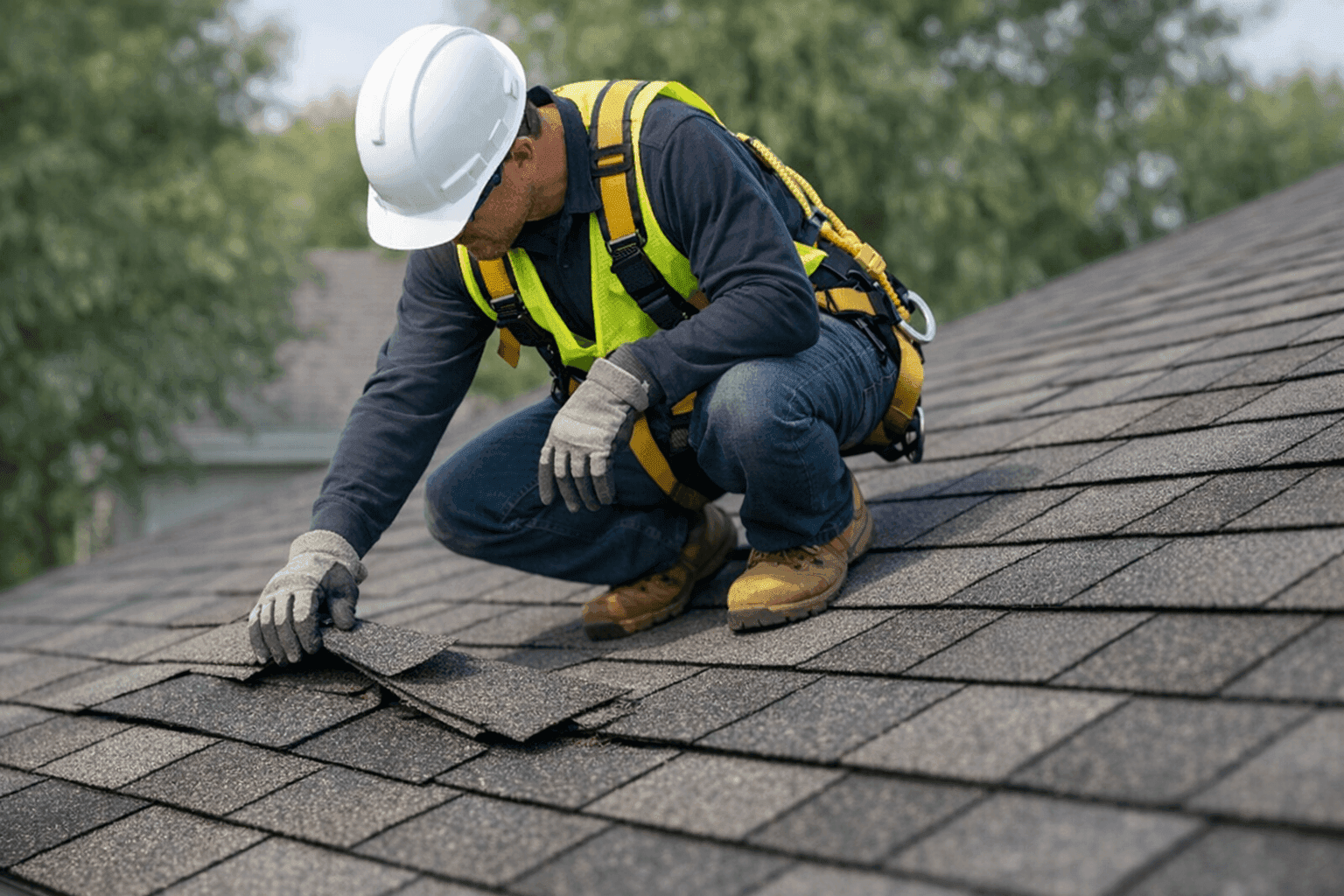
When a roof goes on the wrong way, trouble follows. Sometimes it shows up as a slow drip. Sometimes, as a storm rips through, you spot a shingle flapping like a loose tooth. It’s frustrating—and worse, it can cost more than just money.
At KRB Contractors Roofing, we’ve seen what happens when corners get cut. We help homeowners and businesses fix these headaches every week. If you want your next New Roof Installation to last, you need to know what can go wrong—and how to spot the warning signs before they send water running down your walls.
Why Proper Installation Matters 🛠️
A roof isn’t just shingles and nails. It’s the shield between your life and the weather. Proper installation means every piece—tile, metal, shingle, or flat—locks together like a puzzle. If even one corner is out of place, the whole system is weaker.
Poor installation doesn’t just void warranties. It can lead to leaks, mold, energy loss, and structural issues. According to the International Code Council (ICC), correct installation is the foundation for long-term safety and performance.
Common Mistakes That Lead to Problems
Even small errors can snowball into bigger issues over time. Some mistakes we see most often:
- Using the wrong nails, or not enough of them
- Forgetting underlayment or using the wrong type
- Improper flashing around chimneys, skylights, or vents
- Failing to align shingles or tiles correctly
- Skipping ice and water shield in cold climates
- Not accounting for roof pitch with flat or low-slope designs
These shortcuts might save a few minutes up front. Later, they can mean costly repairs or even a full Roof Replacement.
Warning Signs: Is Your Roof Telling You Something?
Think of your roof like a car. It gives off signals when something’s wrong. Here’s what to watch for:
- Shingles that curl, buckle, or go missing
- Water stains on ceilings or attic rafters
- Granules collecting in gutters (think of it as your roof “shedding”)
- Dripping sounds after heavy rain
- Visible sagging or uneven areas
If you spot these, it’s time for a closer look.
The Real Consequences of Poor Roof Installation
When a roof isn’t installed right, the problems don’t wait. Here’s what can happen:
- Leaks that damage insulation, drywall, and floors
- Mold and mildew, which can affect your health
- Rotting wood decking and framing
- Higher energy bills due to poor ventilation or insulation
- Emergency repairs that cost more than proper installation would have
For businesses, improper roofing can disrupt operations, drive up insurance costs, and even violate building codes.
Materials Matter: One Size Does Not Fit All
Every roof is different. Tile Roofing near you needs different prep than a metal roof on a new warehouse. The wrong materials can fail fast, especially when weather gets wild. Always match materials—shingles, sealants, underlayment—to the structure and climate.
DIY vs. Professional Roofing: Know the Limits
It’s tempting to fix a slipped shingle or patch a leak yourself. For minor issues, that may be fine. But roof installation is like surgery: small mistakes can have big consequences. Pros follow manufacturer specs and local codes. They spot hidden problems, from rot to unsafe decking, that DIYers often miss.
When in doubt, bring in a roofing contractor with a track record of safe, code-compliant work.
What Pros Do When They Arrive
When we arrive for an inspection or repair, the first step is always safety. We check ladders, harnesses, and the weather. Then:
- A full walk-around to spot visible damage, loose flashing, missing shingles, or pooling water.
- Attic inspection for moisture, daylight leaks, or ventilation issues.
- Checking gutter systems for clogs or improper slope.
- Reviewing installation patterns and fastener placement.
This checklist isn’t guesswork—it’s standard practice recommended by the National Roofing Contractors Association (NRCA).
Quick Safety Checklist for Homeowners
Not sure if your roof is safe? Here’s a quick list:
- Look for debris or granules in downspouts and gutters
- Check ceilings after every big storm
- Watch for daylight peeking in the attic
- Never climb on a wet or icy roof
If anything seems off, stay safe and call in a pro.
Prevention & Maintenance: Stopping Problems Before They Start 🧰
The best fix is prevention. Schedule regular inspections—at least once a year. Keep gutters clean. Trim branches hanging over the roof. Ask your contractor about preventative maintenance plans, especially if you have a complex roof (like tile or flat roofs).
For large commercial properties, create a maintenance log to track repairs and spot patterns early.
Timeline & Disruption: What to Expect
Proper installation takes time. Most residential roofing jobs last 1–3 days. Commercial or specialty roofs may take longer. Rushing leads to mistakes. Weather delays are common, but working in the wrong conditions is worse.
A clear schedule and communication with your contractor helps keep surprises to a minimum.
Costs: Pay Now or Pay Later
Improper roof installation might seem “cheaper” at first. But repairs, water damage, and emergency calls add up fast. According to HomeAdvisor, a full roof replacement due to bad installation can cost 40% more than getting it right the first time.
Budget for quality materials and skilled labor. It pays off in peace of mind.
When It’s an Emergency (And When It’s Not)
Some issues—like an active leak or storm damage—can’t wait. If you see water pouring in, it’s time for emergency services. For slow leaks, call for a prompt inspection, but you may have a little more time to plan.
If you’re unsure, reach out for an assessment. Better safe than sorry.
Code & Safety: Why It’s Not Optional
Building codes exist for a reason. They protect your investment—and your family. Improper installation can mean failed inspections, fines, and insurance headaches. Always ask your contractor about compliance with local codes and manufacturer guidelines.
Troubleshooting Tips: Spot & Address Problems Early
- Walk your property after storms
- Check attic insulation for dampness
- Ask for a copy of your roof’s installation warranty
- Keep photos and records of repairs and maintenance
Early action can save thousands in long-term damage.
Seasonal Considerations: Timing Matters
Winter, summer, spring, or fall—each season brings roofing challenges. Ice dams in winter, UV damage in summer, and heavy rains in spring can all test a roof’s strength. Plan major installations or repairs during mild weather when possible.
FAQ: Your Roof Installation Questions Answered
Q: How long should a new roof last?
A: With proper installation and maintenance, asphalt shingle roofs typically last 20-30 years. Metal and tile can last even longer.
Q: What’s the most common installation mistake?
A: Improper flashing around chimneys, skylights, and vents. This is where most leaks begin.
Q: Can improper installation affect insurance claims?
A: Yes. Many policies exclude coverage for damage caused by faulty installation.
Local Perspective: Why Area Knowledge Matters
Every region has its quirks. In wet climates, water barriers are a must. In hot, sunny areas, UV resistance is key. Our team brings decades of experience to every job, whether it’s roofing services for a historic home or a brand-new commercial build.
Final Thoughts: Don’t Leave Your Roof to Chance
Your home or business deserves a roof that stands strong. If you’re worried about improper installation or see warning signs, don’t wait for a rainy day disaster.
Call KRB Contractors Roofing now — or reach us anytime at 855-528-1936 .