How to Maintain Roof Flashing: Inspection and Repair Tips
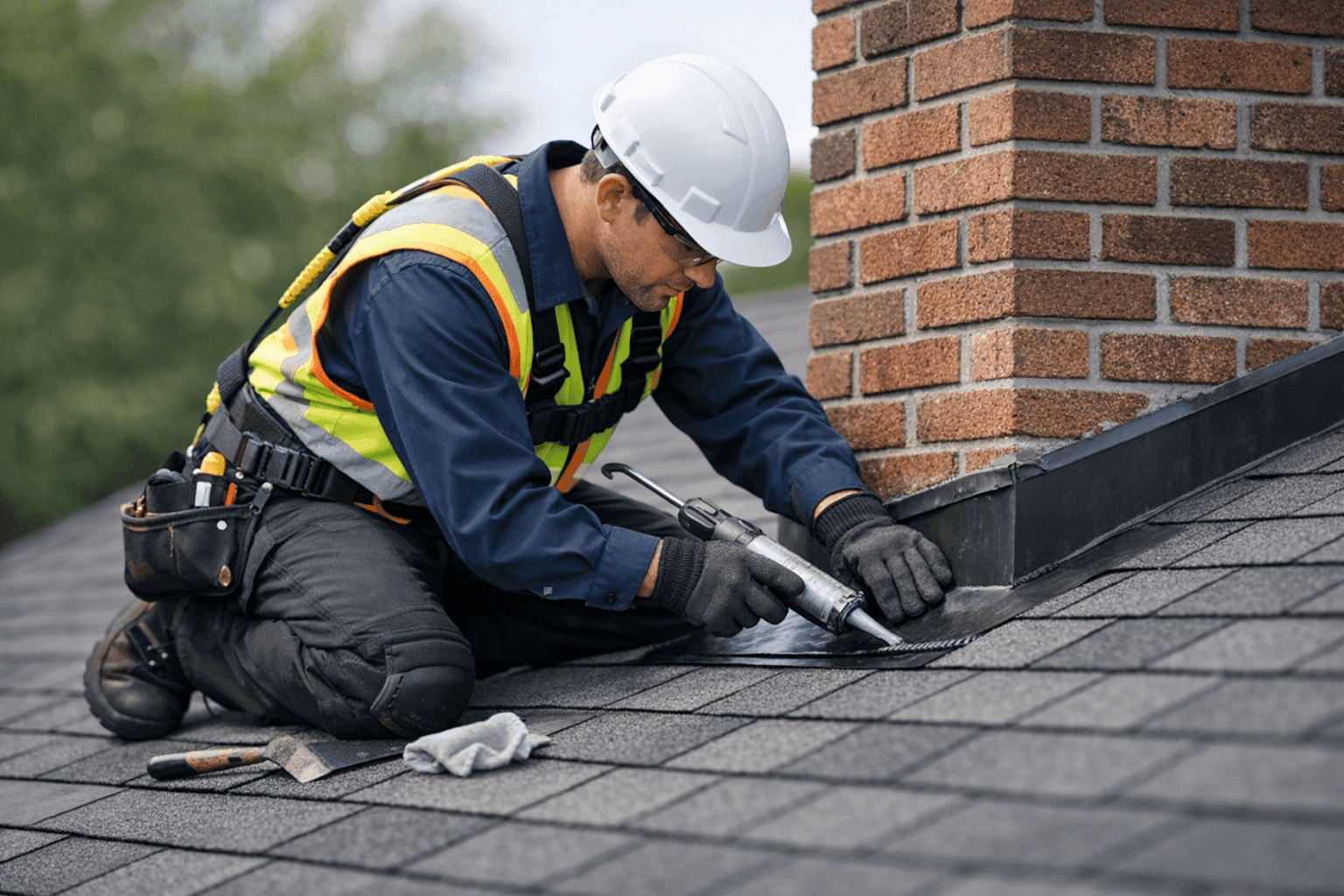
Is your roof ready for the next big storm – or will a hidden leak catch you off guard? Roof flashing is the unsung hero, quietly keeping your home or business dry. When it fails, water sneaks in where you least expect it.
At KRB Contractors Roofing, we know that healthy flashing means fewer headaches and bigger savings down the road. Whether you’re a homeowner, property manager, or business owner, these tips will help you keep leaks at bay and your roof in top shape.
Why Flashing Needs Maintenance 🛡️
Picture flashing as the raincoat seams at every edge, valley, and joint on your roof. Without attention, those seams can split, rust, or pull away, letting water in. Over time, even the best roofing systems need a little TLC—especially where flashing meets vulnerable spots like chimneys, skylights, and vents.
Water intrusion is sneaky. It starts small, perhaps as a tiny gap where sealant has dried out or metal has warped. Left unchecked, it can rot decking, stain ceilings, and cause costly repairs. Regular maintenance is your best defense. The International Association of Certified Home Inspectors (InterNACHI) recommends checking flashing at least twice a year, and after any severe weather.
Flashing: What It Does and Why It Matters
Flashing is usually made from metal—aluminum, galvanized steel, or copper. Its job? Direct water away from seams and joints. You’ll find it:
- Around chimneys
- At roof valleys
- Along skylights and dormers
- Where roofs meet walls (step flashing)
- At the edges (drip edge)
If you’ve ever wondered why a roof suddenly starts leaking after years of good service, damaged flashing is often the culprit. It’s not just about old age—wind, hail, and even UV exposure can take a toll.
Quick Safety Checklist Before You Climb
Safety always comes first. Before you start an inspection, make sure you:
- Wait for dry weather. Wet roofs are slippery.
- Wear sturdy, non-slip shoes.
- Use a stable ladder on level ground.
- Avoid working alone.
- Watch for overhead power lines.
- If heights aren’t your thing, consider scheduling a professional Roof Flashing Repair.
The National Roofing Contractors Association (NRCA) recommends never walking on steep or fragile roofs without proper equipment.
Inspection Checklist: What to Look For
Walk around your property and scan for these trouble signs:
- Rust, holes, or corrosion on metal flashing
- Loose or missing sections (especially after storms)
- Cracked, dried, or missing sealant
- Gaps where flashing meets a wall, chimney, or vent
- Water stains or damp spots inside attic or ceilings
Pay special attention to chimney flashing, skylights, and roof valleys. Problems often start here.
Common Problem Areas to Watch
Some flashing locations are more vulnerable than others. Here’s where issues crop up most:
Chimneys: Mortar joints and step flashing around chimneys are classic leak zones. Chimney Flashing should hug the brick tightly—if you spot gaps, call in help.
Valleys: The “V” where two roof slopes meet can collect debris and water. Damaged valley flashing quickly turns into a leak.
Skylights: Poorly sealed skylight flashing lets water run underneath. Even a tiny gap can cause hidden problems.
Roof-to-wall Intersections: When a roof meets a vertical wall, step flashing should overlap each shingle. Gaps or rust here are red flags.
Vents and Pipes: Any penetration through the roof is a potential weak spot. Flashing around these should be snug and well-sealed.
Step-by-Step: How to Inspect Your Flashing
Want to take a closer look? Here’s a simple approach:
- Bring binoculars and inspect from the ground first.
- If safe, climb to the roof and check up close. Look for lifted edges, rust spots, and dried-out sealant.
- Press gently on flashing—loose sections move easily.
- Inspect attic ceilings for water stains or musty smells.
- Use a flashlight to check dark corners and around roof penetrations.
- For complex roofs, or if you spot damage, schedule a professional roof flashing repair.
Repair Steps: Small Fixes You Can Handle
Some minor repairs are manageable for handy homeowners. Here’s what you can safely tackle:
- Sealant Touch-Up: If you see small cracks or gaps, apply a compatible roofing sealant. Clean the area first for best results.
- Tighten Fasteners: Loose nails or screws? Carefully re-drive or replace them, then reseal.
- Replace Small Sections: If a piece of flashing is visibly damaged but accessible, you can replace it with a matching material. Always tuck new flashing under the upper shingle/course.
Tip: Never use roofing cement alone on exposed areas—it’s a temporary fix. For lasting repairs, use metal flashing and compatible sealants.
When to Call a Professional
Some flashing repairs are best left to the pros:
- Chimney flashing replacement (especially if brick or mortar is damaged)
- Large or hidden leaks
- Flat or low-slope roof flashing
- Multiple trouble spots
- Skylight or custom metalwork
If you’re unsure, schedule an inspection with a roofing specialist. They’ll spot problems you might miss and recommend the right fix.
Common Mistakes to Avoid
It’s easy to make flashing mistakes. Here’s what to watch out for:
- Using mismatched or incompatible metals (can cause corrosion)
- Relying on caulk alone instead of proper flashing
- Overlapping flashing incorrectly (water can run underneath)
- Forgetting to check flashing after a storm or roof work
Building codes (like those from the International Residential Code) require proper installation and secure fastening. Shortcuts lead to leaks.
Timeline & Disruption: What to Expect
Quick fixes like resealing or tightening may take less than an hour. Replacing sections or full chimney flashing can take several hours. Roofers will need clear access—move vehicles, trim overhanging branches, and secure pets.
If you’re worried about noise or debris, ask your contractor what to expect. Most repairs cause minimal disruption compared to a full roof replacement.
Materials & Equipment Used
Pros use specialized materials and tools for flashing work:
- Galvanized steel, aluminum, or copper flashing
- Roofing nails or screws with neoprene washers
- Roof-safe sealants (polyurethane or silicone)
- Tin snips, pry bars, and hammers
- Safety harnesses for steep or high roofs
DIYers should use only roofing-approved products. Mixing metals can cause galvanic corrosion—stick to the same type throughout.
Seasonal Considerations
Flashing takes a beating in all seasons. In spring and fall, check for winter ice dam damage or debris buildup. After summer storms, inspect for wind-lifted flashing. In heavy rain, monitor your ceilings and attic for new leaks.
In colder regions, ice dams can push water under flashing. Adding insulation and ventilation helps prevent this.
Prevention & Routine Maintenance
Want to keep flashing problems to a minimum? Here’s how:
- Inspect twice a year—spring and fall are ideal.
- Clean out gutters so water flows freely.
- Remove leaves, twigs, and debris from roof valleys.
- Reapply sealant every few years or as needed.
- Schedule professional inspections after major storms.
A little effort now can add years to your roof’s life. Preventative maintenance is always less costly than major repairs.
Roof Flashing Repair for Homes & Businesses
Flashing maintenance isn’t just for homeowners. Commercial properties—especially flat roofs—see unique challenges. If you’re managing a business or apartment building, regular inspections can prevent expensive water damage and keep tenants happy.
Need help with Leak Repair? Or maybe you’re searching for roofing specialists who truly understand the unique needs of your property? Our team at KRB Contractors Roofing is ready to help. If you’re in the area, you can learn more about our roofing company.
When It’s an Emergency (And What to Do)
If you spot water pouring in during a storm or notice a sudden ceiling stain, act fast:
- Contain the water with buckets or towels.
- Move valuables and electronics out of harm’s way.
- Call a professional for emergency repairs.
- Don’t climb on the roof in dangerous weather.
Fast action limits damage and makes repairs easier. Most insurance policies require you to take reasonable steps to prevent further damage—so don’t delay.
Frequently Asked Questions
How long does flashing last?
Quality metal flashing can last 20 years or more with regular care. Sealants may need refreshing every 5–7 years.
Can I repair flashing myself?
Small cracks or sealant issues are often DIY-friendly. For larger problems, or if you’re unsure, call a roofing contractor.
Is flashing always metal?
Most is, but there are also rubber or plastic options for specific uses. Metal remains the most durable.
What if my roof is still leaking after repairs?
Persistent leaks may signal flashing problems elsewhere—or even structural issues. Schedule a professional inspection.
Final Thoughts: Protect Your Roof, Protect Your Investment
Roof flashing is a small detail that makes a huge difference. Regular inspections and timely repairs help you avoid costly water damage and extend the life of your roof—whether it’s shingle, tile, metal, or flat.
If you need help with inspection, repair, or replacement, don’t wait for the next storm to test your luck. KRB Contractors Roofing is here to help with every flashing and leak concern.
Call KRB Contractors Roofing now — or reach us anytime at 855-528-1936 .