Downspout Repair: Fixing and Preventing Common Problems
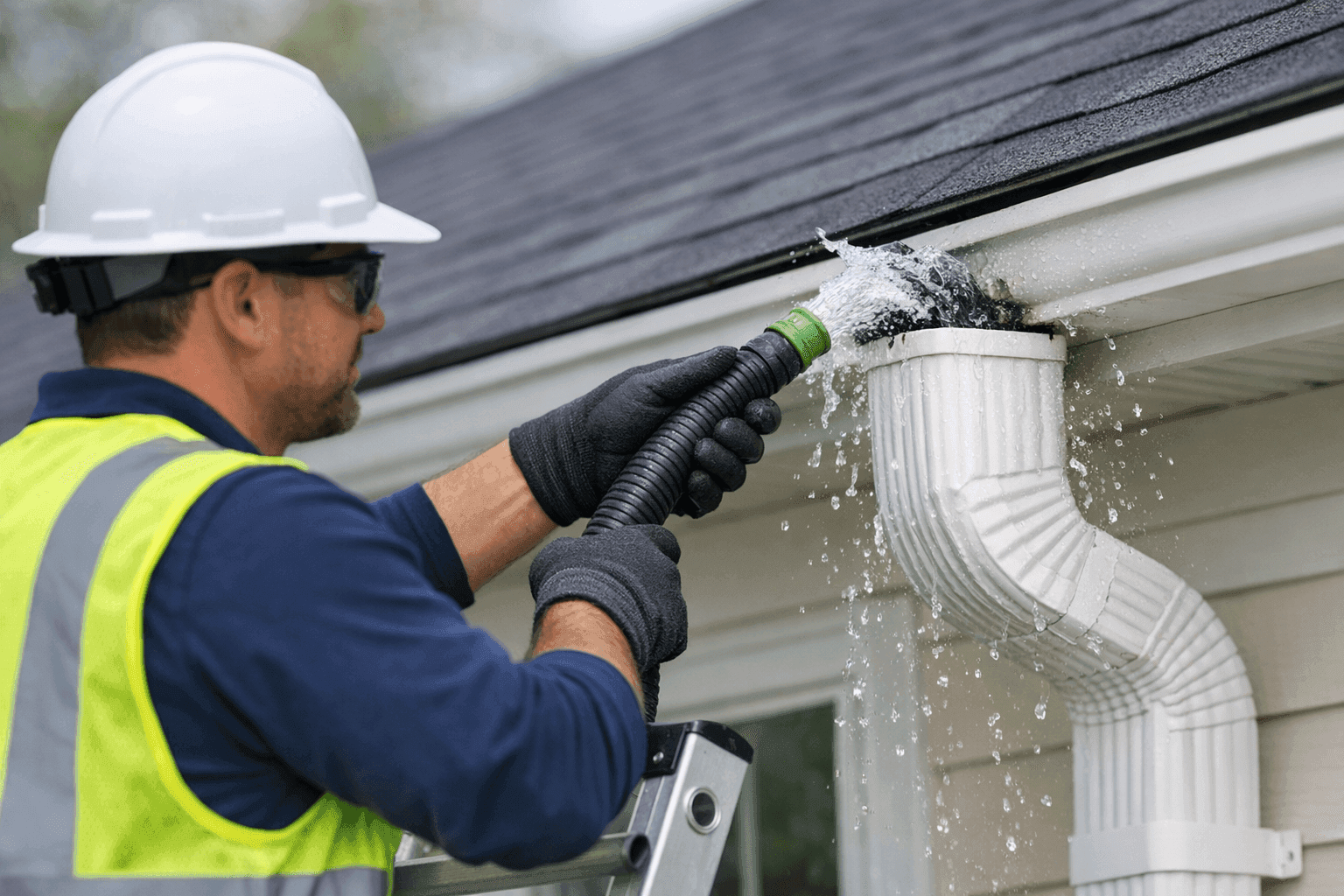
Rainwater. It’s gentle—until it isn’t. When downspouts fail, water becomes a home’s silent enemy, creeping into foundations and quietly wreaking havoc. Whether you own a cozy bungalow or manage a busy commercial property, downspout problems can strike anywhere.
At KRB Contractors Roofing, we’ve seen how a simple clog or leak can snowball into costly repairs. The good news? Most downspout issues are preventable. And many can be tackled before they threaten your roof, siding, or peace of mind.
Why Downspouts Matter: The Unsung Heroes of Roofing 🏡
Downspouts aren’t glamorous, but they’re essential. They act like the gutters’ delivery truck, rushing rainwater safely away from your foundation. Without them working right, even the best roofing or Tile Roofing near you is at risk.
When water pools around your property, it can:
- Erode soil and landscaping
- Cause basement leaks or crawlspace dampness
- Rot wood trim, siding, and decking
- Trigger mold, mildew, and unwanted pests
Building codes, like those detailed by the International Residential Code (IRC), require proper drainage for a reason. Downspouts protect not just your roof, but the entire structure below.
Common Downspout Problems: What Can Go Wrong?
Downspouts carry a lot on their shoulders. Over time, everyday issues can arise:
- Clogs: Leaves, twigs, and debris get stuck, blocking water flow.
- Leaks and Holes: Rust, corrosion, or loose seams let water escape.
- Disconnected Sections: Downspouts can pull away from gutters or walls.
- Crushed or Bent Pipes: Impact from ladders, lawnmowers, or storms can pinch off flow.
- Improper Slope or Placement: Water may pool at the base, missing the mark.
Spotting these issues early is key. If you notice water spilling over, staining on walls, or puddles near your foundation, your downspout may be calling for attention.
Safety First: A Quick Safety Checklist
Before you grab a ladder or tool, take a moment for safety:
- Use a sturdy, well-placed ladder on flat ground
- Wear gloves—metal edges are sharp, debris can be nasty
- Have a spotter or tell someone you’re working outside
- Avoid working in rain or windy conditions
- Watch out for overhead wires and slippery surfaces
The National Safety Council reminds homeowners: falls from ladders are a leading cause of injury. Don’t rush. If in doubt, call for help.
DIY Downspout Repair: Simple Steps to Get Water Flowing
Some downspout fixes are within reach for handy homeowners. Here’s how to tackle the most common problems:
1. Clearing Clogs
- Remove the downspout extension at the bottom if possible.
- Use a plumber’s snake, garden hose, or long stick to dislodge leaves and debris.
- Flush with water—start at the top, work downward. If water backs up, repeat clearing.
- Reattach the extension, making sure it points water well away from your foundation.
2. Fixing Leaks and Holes
- For small rust spots or holes, scrub the area clean and dry.
- Apply roofing sealant or a patch kit, following product instructions.
- For split seams, use sheet metal screws and sealant to close gaps.
3. Reattaching Loose Sections
- Realign the downspout with the gutter outlet or wall bracket.
- Use new screws or rivets to secure loose joints.
- Replace broken brackets or straps as needed.
4. Straightening Crushed Pipes
- Gently reshape with gloved hands or a rubber mallet.
- If badly damaged, it’s best to replace the section.
If the problem keeps coming back, or if you spot hidden damage, it may be time to call a professional for a thorough inspection.
When to Call for Professional Help
Some jobs are best left to those who work at heights daily. Consider a professional for:
- Downspouts on multi-story buildings
- Persistent leaks despite DIY patches
- Hidden damage behind walls or siding
- Full gutter system replacements
KRB Contractors Roofing can inspect your gutters, downspouts, and flashing to keep your whole system running smoothly. For larger projects, see our Gutter Repair and Gutter Cleaning services.
Preventative Maintenance: Stop Problems Before They Start 🛠️
Downspouts only need a little attention to keep working year after year. Here’s what you can do:
- Clean gutters and downspouts twice a year—spring and fall are best.
- Trim nearby trees to reduce falling leaves and twigs.
- Check for loose fasteners or brackets after heavy storms.
- Inspect for rust, corrosion, or worn sealant.
- Make sure splash blocks or extensions are in place to guide water away.
Regular care is like giving your home an umbrella before the rain starts.
Seasonal Considerations: Adapting to Weather
Different seasons bring new challenges for downspouts:
- Fall: Heavy leaf fall means more frequent cleaning.
- Winter: Ice dams and freezing can split pipes—consider heated cables if this is common in your area.
- Spring: Check for storm damage, especially after hail or high winds.
- Summer: Watch for animal nests or fast-growing vegetation.
A seasonal checklist keeps you one step ahead of the weather—and helps your roof last longer.
Signs of Trouble: Know What to Watch For
Don’t wait for a flood in your basement to notice a problem. Look for:
- Overflowing gutters even in light rain
- Water stains on siding or foundation
- Downspouts pulling away from walls
- Unexplained puddles or erosion near your home
If you see these warning signs, act fast. Water doesn’t wait.
Common Mistakes to Avoid
Some well-meaning fixes can make matters worse:
- Using duct tape instead of proper sealant
- Letting downspouts empty too close to the foundation
- Ignoring small leaks—tiny drips can cause big problems
- Skipping regular cleaning
Remember, a little effort now saves a lot of time and money later.
The Pros’ Approach: What Happens During a Service Call
When a roofing technician arrives, they’ll typically:
- Inspect gutters, downspouts, and attachment points
- Test water flow and spot hidden clogs
- Repair leaks with industry-approved sealants and hardware
- Replace damaged sections using code-compliant materials
- Advise on upgrades, such as larger downspouts or leaf guards
Professionals bring ladders, safety gear, and years of experience to each job—especially important for roofs with steep pitches or hard-to-reach areas.
Timeline and Disruption: What to Expect
Most downspout repairs take just a few hours. Complex jobs or replacements can run longer, especially for multi-story or commercial buildings. The best part? Minimal disruption to your daily life. You’ll hear some hammering, maybe a little scraping, but the results are worth it.
Materials and Equipment: What You’ll Need
If you’re tackling repairs yourself, gather:
- Ladder and gloves
- Screwdriver, wrench, or drill
- Roofing sealant or patch kit
- Plumber’s snake or garden hose
- Replacement brackets or screws
Quality materials last longer and save you headaches down the road.
DIY or Call a Pro? Know Your Limits
Some homeowners enjoy the challenge of a quick fix. Others prefer peace of mind. If heights, heavy lifting, or tricky repairs aren’t for you, there’s no shame in calling for help. Your safety always comes first.
If you’re in the area and looking for Downspout Repair, KRB Contractors Roofing is just a call away.
Frequently Asked Questions: Downspout Edition
How often should I clean my downspouts?
Twice a year is ideal—more if you have lots of trees nearby.
Can I paint or seal my downspouts?
Yes, choose exterior-grade paint or sealer to prevent rust and match your home.
Why does water still pool near my foundation after repairs?
Your property might need grading, longer extensions, or a check for underground clogs.
What’s the best material for downspouts?
Aluminum is lightweight and rust-resistant, but steel and copper are durable options—check with your roofing contractor.
The Value of Professional Downspout Repair
A working downspout isn’t just about keeping dry. It’s about protecting your investment, maintaining curb appeal, and sleeping soundly when the next storm rolls in. At KRB Contractors Roofing, we treat every roof and gutter system as if it were our own.
Call KRB Contractors Roofing now — or reach us anytime at 855-528-1936 .