Common Roofing Emergencies and How to Handle Them
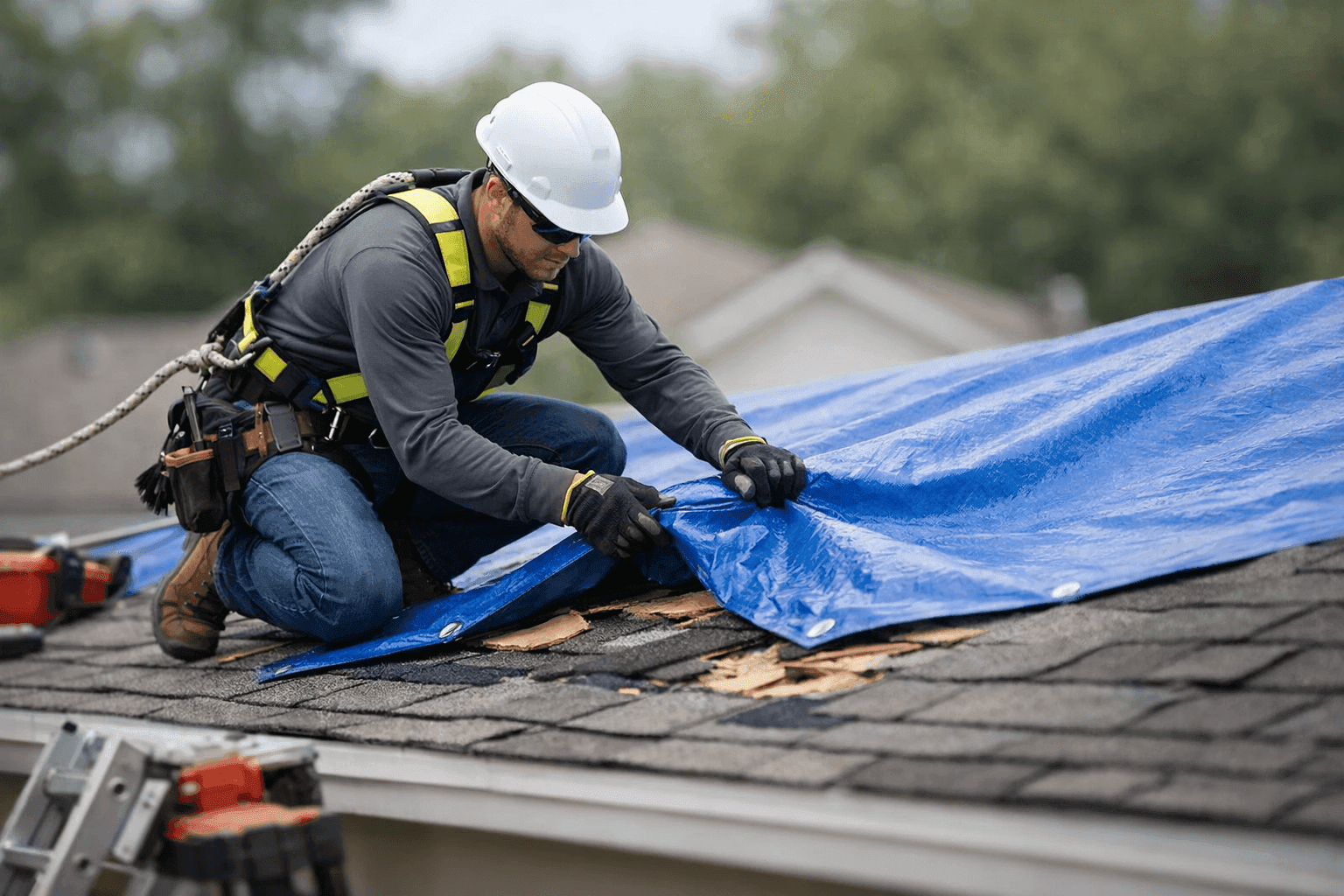
Roofs are guardians. Rain, sun, wind—they stand between your home or business and the wild outdoors. But sometimes, trouble strikes fast. A leak after a storm. Shingles ripped free. Water pouring through a ceiling. In these moments, knowing what to do can save money, reduce risk, and give you control.
At KRB Contractors Roofing, we’ve seen it all—from midnight leaks to surprise hail impacts. Here’s how you can handle the most common roofing emergencies calmly and safely, whether you’re a homeowner or protecting your business.
Common Roofing Emergencies
Roofing emergencies don’t wait for business hours. They hit hard and demand quick action. Here are the most frequent issues property owners face:
- Storm damage: High winds, hail, or falling branches can tear off shingles, break tiles, and expose the interior.
- Sudden leaks: Water suddenly dripping from the ceiling, especially after heavy rain.
- Missing or damaged shingles/tiles: Often leads to rapid water intrusion.
- Flashing failures: Metal flashing around chimneys, vents, or skylights can peel back, letting water in.
- Gutter or downspout blockages: Overflowing water can pool on your roof or by the foundation.
- Collapsed or sagging flat roofs: Caused by standing water, rot, or heavy snow loads.
- Fire or tree impact: Structural damage after a fire or a fallen tree.
Each scenario is different, but the right first moves can prevent bigger headaches.
First Response Steps: What to Do Right Away 🏃
When a roofing emergency strikes, seconds matter. Here’s a step-by-step checklist:
- Stay calm. Take a deep breath. Panicked decisions can make things worse.
- Protect what’s inside. Move valuables, electronics, and furniture away from leaks or drips.
- Catch the water. Use buckets or large containers beneath leaks. Towels or tarps on floors help prevent slipping.
- Document the damage. Take photos or videos. This helps with insurance claims.
- Turn off electricity if needed. If water is near electrical fixtures or outlets, shut off the power to the affected area.
- Do not climb on the roof. Save that for the pros—wet, damaged roofs are extremely dangerous.
Safety Precautions: Keep People First
Roofs can be like ice rinks after a storm—slippery, unpredictable, and dangerous. The National Roofing Contractors Association (NRCA) and OSHA both stress that safety must come first. Here’s what to remember:
- Never walk on a wet, icy, or storm-damaged roof.
- Keep children and pets clear of affected areas, inside and out.
- If there’s structural damage or a fire, evacuate and call emergency services.
- Wear gloves and sturdy shoes if cleaning inside, to avoid cuts from broken tiles or glass.
If you suspect electrical hazards or see sagging ceilings, leave the area and call for professional help immediately.
Temporary Fixes: What You Can Do Until Help Arrives
Sometimes you need a patch before the cavalry arrives. Here are safe, practical measures:
- Tarp the area from inside: If water is coming through, you can tape a heavy-duty plastic sheet or tarp under the leak (from the attic or ceiling) to channel water into a container.
- Seal small holes: Roofing tape or caulk can temporarily slow leaks, but only apply from inside—never climb onto the roof during a storm.
- Clear gutters (if safe): Wearing gloves, remove leaves or debris from ground-level downspouts to help water drain away.
- Plug drips: Use towels, buckets, or even a trash can to contain water.
Remember—these are just bandages. Permanent fixes require a qualified roofing contractor.
When Is It an Emergency?
Not every drip is a disaster, but some situations spell true emergency:
- Sudden, heavy water intrusion (ceiling collapse risk)
- Electrical danger (water near power sources)
- Storm damage that exposes the inside to the elements
- Major tree impact or fire
- Continuous leaks during heavy rain
If you see daylight through your roof or water is pooling fast, treat it as urgent.
When to Call a Roofing Professional
Some jobs are DIY-friendly, like clearing a clogged gutter from the ground. But most emergencies need a pro. Here’s when to reach out:
- Any structural damage (sagging, collapse, tree hit)
- Extensive leaks or water stains
- Missing tiles, shingles, or metal panels
- Flashing, skylight, or chimney leaks
- Storm, hail, or wind damage
A licensed roofing contractor can assess the full extent of the damage, recommend safe repairs, and restore your property to code.
What to Expect When Help Arrives
When our KRB Contractors Roofing team arrives for emergency services, here’s what typically happens:
- Inspection: We evaluate damage both inside and out—safely, using harnesses and proper equipment.
- Temporary protection: Tarping, patching, or boarding to prevent further water entry.
- Detailed estimate: We explain needed repairs, materials, and timelines.
- Coordination with insurance: We provide documentation for your claim, if needed.
- Permanent repair: When safe and weather allows, we restore your roof using industry-approved methods.
We’re trained to spot hidden issues—like insulation damage or compromised decking—that DIY checks might miss.
DIY vs. Professional Repair: Knowing Your Limits
Patch a small hole? Maybe. Fix a wind-torn metal seam or replace flashing? That’s best left to the pros.
DIY Fixes:
- Placing buckets, towels, or tarps indoors
- Light gutter cleaning from ground level
- Photographing damages for your records
Professional Repairs:
- Any work at height
- Shingle, tile, or metal panel replacement
- Leak tracing and flashing repair
- Structural assessment or repair
Falls and further damage are real risks. Let trained crews handle complex repairs.
Costs and Time Factors
Price and speed depend on the emergency’s size and material. A small leak patch is quick. Storm damage or storm damage restoration after hail, wind, or tree impact takes longer.
- Temporary tarping: Often immediate, taking an hour or two.
- Minor repairs: Can often be completed within a day.
- Major restoration: May take days or weeks, depending on weather and material availability.
Insurance may help cover costs—always check your policy and file claims promptly.
Prevention: The Best Cure for Emergencies
The best way to avoid panicked phone calls? Prevention.
- Schedule regular inspections—especially before storm or winter seasons.
- Clear gutters and downspouts twice a year.
- Trim overhanging trees to prevent falling branches.
- Look for loose, curling, or missing shingles/tiles.
- Check flashing and sealants around chimneys, skylights, and vents.
A little maintenance now can save you the stress (and cost) of future emergencies.
Common Mistakes Homeowners Make
- Delaying the call for help: Water moves fast—waiting only makes it worse.
- Trying risky DIY repairs on the roof: Falls are the leading cause of roofing injuries (CDC).
- Ignoring signs of trouble: Small leaks rarely fix themselves.
- Using the wrong materials: Duct tape and plastic bags don’t last long under rain.
When in doubt, ask for professional advice.
How to Spot Trouble Before It’s an Emergency
- Water stains on ceilings or walls
- Musty smells in the attic
- Peeling paint near the roofline
- Visible daylight in the attic
- Debris or shingle granules in gutters
If you spot these signs, schedule an inspection before the next storm hits.
Emergency Roof Materials: What to Keep on Hand
A few supplies can help you react quickly:
- Heavy-duty tarps (at least 6x8 feet)
- Roofing tape or caulk
- Buckets and large towels
- Flashlight with extra batteries
- Plastic sheeting and duct tape
Keep them in an accessible spot—not buried in the garage.
Seasonal Considerations: Preparing for Local Weather
- Spring: Heavy rains can reveal weak spots in flashing or underlayment.
- Summer: Heat and storms can crack shingles or tiles.
- Fall: Falling leaves clog gutters; inspect before the first freeze.
- Winter: Ice dams and snow loads challenge flat and sloped roofs alike.
Adapt your maintenance schedule to your region’s climate for the best defense.
Frequently Asked Questions
Is a small leak really an emergency? Any active leak can quickly escalate, especially if water reaches electrical systems or insulation. Don’t ignore it.
Do I need a full roof replacement after a big storm? Not always. Many issues can be fixed with targeted roof repair, but a full inspection is necessary to decide.
How quickly can you respond to emergencies? KRB Contractors Roofing offers rapid response for urgent issues—we’re ready when you need us.
Can I claim emergency roof repair on insurance? Often, yes. Document damage with photos and call your provider as soon as possible.
Calm in the Storm: What Matters Most
Roofing emergencies are stressful, but you’re not alone. Acting quickly, prioritizing safety, and knowing when to call in qualified help makes all the difference. Whether you need Tile Roofing near you, fast roof repair, or a full restoration, KRB Contractors Roofing is here to help—day or night.
Call KRB Contractors Roofing now — or reach us anytime at 855-528-1936 .