Tile Roofing Pros & Cons: Is It Right for You?
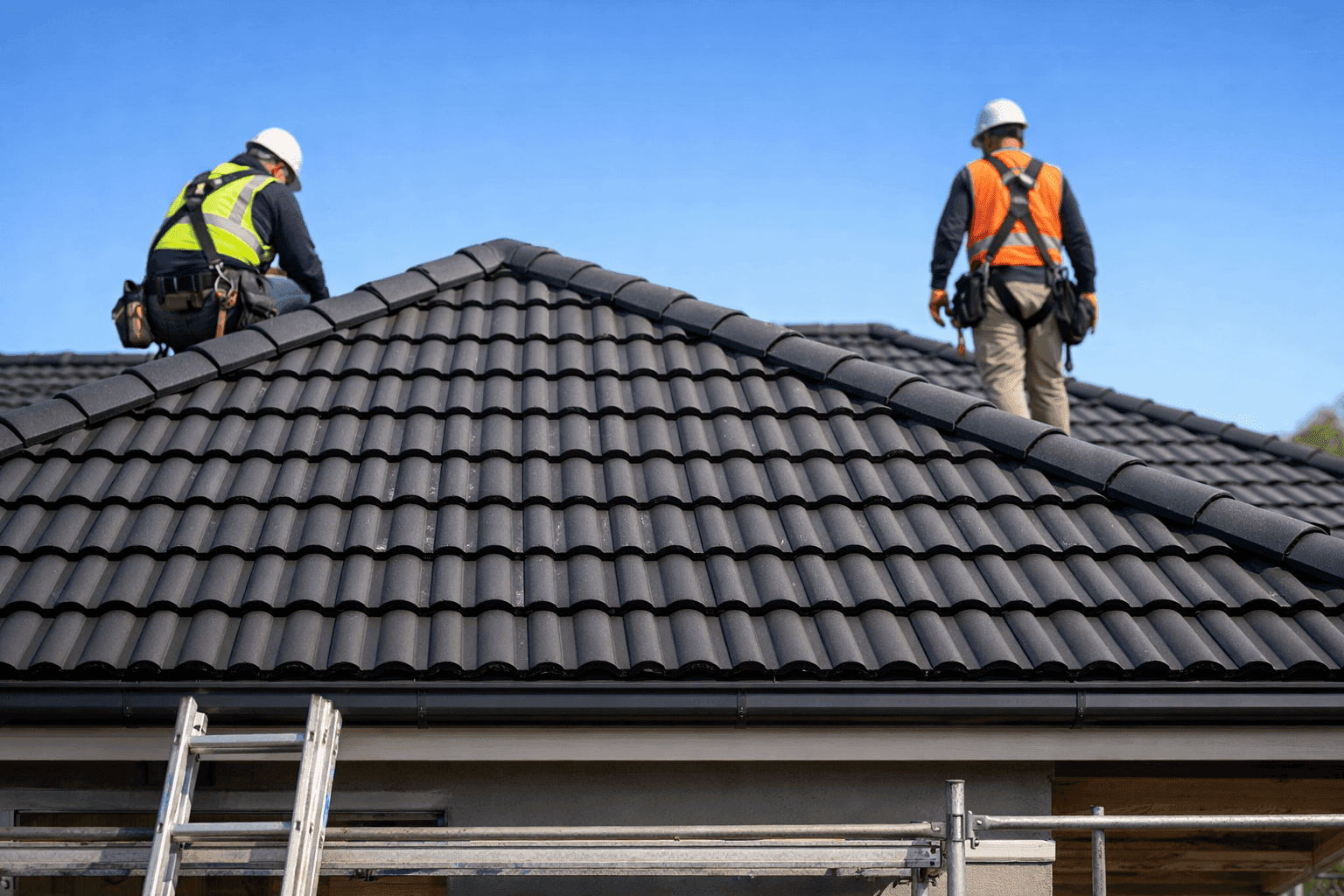
When it comes to protecting your property, the roof is your first and last line of defense. It bears the brunt of every hailstone, gust of wind, and sudden downpour. With so many options out there, knowing if tile roofing is the right fit can feel like trying to choose the perfect pair of shoes for every season—one that looks good, lasts, and actually fits your needs.
At KRB Contractors Roofing, we’ve seen firsthand how the right roofing choice can save money, boost curb appeal, and offer peace of mind. Let’s break down what tile roofing really brings to the table—no sugarcoating, just facts, tips, and some hard-earned wisdom.
What Is Tile Roofing? 🏠
Tile roofing uses overlapping tiles—often made from clay, concrete, or slate—to create a watertight shield over homes and businesses. This method dates back centuries and is beloved for its classic beauty and rugged endurance. You’ll spot tile roofs on Mediterranean villas, Spanish-style homes, and modern commercial buildings alike.
Tile roofing comes in a few main flavors:
- Clay tiles: The classic, reddish-brown look, known for longevity.
- Concrete tiles: More affordable, heavier, and can mimic other materials.
- Slate tiles: Natural stone, highly durable, distinct appearance.
Whether you’re eyeing curb appeal or chasing a specific architectural style, tile roofing near you offers a unique blend of function and flair.
Key Benefits of Tile Roofing
Why do so many people choose tile roofs? Here’s what sets them apart:
- Durability: Tile roofs can last 50–100 years when properly maintained—outpacing most asphalt shingles by decades.
- Fire resistance: Clay and concrete tiles are non-combustible, providing extra safety.
- Energy efficiency: The natural thermal properties of tile help regulate indoor temperatures, easing the load on your HVAC system.
- Style variety: From traditional red barrel tiles to sleek modern profiles, there are styles and colors for almost every taste.
- Low maintenance: Tiles don’t rot or attract pests like wood, and they resist fading under harsh sun.
For both residential and commercial properties, tile roofing stands out as a long-term investment that can even help with insurance premiums in some cases.
Common Drawbacks (and How to Handle Them)
No roof is perfect. Tile roofing brings a few unique challenges:
- Weight: Tiles are heavy—sometimes double or triple the weight of asphalt shingles. Your building may need structural reinforcement.
- Installation complexity: Tile installation is more labor-intensive and requires skilled professionals.
- Upfront cost: Tile roofs cost more initially, both for materials and installation. But their longevity often balances the scale over time.
- Fragility: While tough against weather, tiles can crack if walked on carelessly.
- Availability of matching tiles: Repairs may be tricky if your style or color is discontinued.
We always recommend a roof inspection before considering a roof replacement with tile, to ensure your structure can handle the extra load.
Tile Roofing vs. Other Materials
How does tile stack up against other popular roofing types? Let’s compare key features:
- Durability: Tile outlasts most asphalt and wood shingles. Metal roofing can rival tile’s longevity but looks and performs differently.
- Energy Efficiency: Tiles reflect sunlight and insulate naturally; asphalt and metal can get hotter without proper coatings.
- Maintenance: Tile needs less frequent replacement, though individual tiles may need repair if broken. Shingles require more regular replacement; metal needs occasional repainting.
- Style: Tile roofs offer centuries-old charm. Shingles are versatile but common. Metal is sleek and modern.
- Weight: Tile is the heaviest option. Asphalt is lightweight; metal falls in between.
- Cost: Tile costs more upfront but can be cost-effective over decades.
Ideal Applications: Where Tile Roofing Shines
Tile roofing isn’t for every building, but it’s perfect in certain situations:
- Homes with strong structural support—older or architect-designed homes often fit the bill.
- Buildings in hot or fire-prone areas—tile is naturally fire-resistant and keeps interiors cooler.
- Properties seeking architectural impact—tile offers instant character.
- Businesses wanting durable, low-maintenance solutions—commercial tile roofs are rare but make a statement.
Before starting a new tile roofing project, our pros always check load-bearing walls and roof framing—following the International Building Code (IBC) guidelines for safety.
What to Expect During Installation
A tile roof install is more marathon than sprint. Here’s a quick timeline:
- Inspection: We ensure your roof structure is up to snuff.
- Reinforcement: If needed, we beef up framing to support the weight.
- Preparation: Old roofing is removed, decking is checked, underlayment is installed.
- Tile placement: Each tile is carefully laid, secured, and flashed. Special attention goes to valleys, edges, and penetrations.
- Cleanup: Old materials are hauled away, and the job site is left spotless.
Expect more disruption than a shingle job—plan for noise and some dust. Depending on weather and roof size, installation can take 1–2 weeks.
Common Maintenance Tips for Tile Roofs 🧰
Tile roofing is tough, but a little TLC goes a long way:
- Annual inspections: Catch small cracks or broken tiles before they let water in.
- Gutter cleaning: Keep drainage clear to prevent water backup.
- Clear debris: Remove leaves, branches, and moss gently. Avoid power washing, which can damage tiles.
- Prompt repairs: If you spot a loose or broken tile, call us. Don’t walk on the roof yourself; tiles break easily underfoot.
For commercial properties, schedule inspections every spring and fall. Residential homeowners should check after major storms.
Cost Factors: Budgeting for Tile Roofing
Tile roofing isn’t the cheapest option—but it’s rarely the most expensive per year of use. Here’s what shapes the price:
- Material: Clay, concrete, and slate vary widely in cost.
- Roof pitch and complexity: Steep or intricate roofs cost more to install.
- Structural needs: Reinforcing your home or building adds to the bottom line.
- Location: Access, disposal fees, and local labor rates matter.
On average, tile roofing costs 2–3 times more upfront than asphalt shingles. But with a lifespan of 50+ years, you may only replace your roof once in a lifetime.
Durability: How Long Do Tile Roofs Really Last?
It’s not unusual for clay tile roofs to last a century or more. Concrete tile averages 50–70 years with good care. Compare that to the 20-year lifespan of basic asphalt shingles, and the long game tilts in tile’s favor.
What shortens a tile roof’s life? Poor installation, skipped maintenance, or heavy foot traffic. Follow manufacturer guidelines—like those set by ASTM International—and your roof will outlast most fads.
Energy Efficiency: Keeping Your Cool
Tile roofs act like a sunshade on a summer afternoon. Their bulk and shape create air pockets that buffer heat, keeping houses and businesses cooler when the sun blazes. Many tile products meet ENERGY STAR® standards, helping you save on cooling bills.
Paired with proper attic ventilation and insulation, tile roofing can be part of a whole-home energy strategy.
Style and Curb Appeal: Making a Statement
A tile roof is like a well-tailored suit—it turns heads. Whether you want the rustic look of Mediterranean clay or the clean lines of modern slate, tile offers colors and profiles to fit almost any style.
Commercial properties benefit from the prestige and low maintenance, while homeowners enjoy lasting beauty that stands out from the crowd.
Tile Roofing Safety Checklist
Before you commit to tile, check these boxes:
- Confirm your structure can handle the weight.
- Hire certified roofers with tile experience.
- Use approved underlayment and flashing according to manufacturer specs.
- Plan for regular inspections.
- Follow local building codes and check for required permits.
The National Roofing Contractors Association (NRCA) and the International Code Council (ICC) both offer guidance on safe tile roof installation.
DIY vs. Calling a Pro
Tile roofing isn’t a weekend project. The materials are heavy, the installation is complex, and mistakes can cost thousands. Even minor cracks can let in water and cause major headaches down the road.
If you’re handy, you might handle small repairs—like replacing a cracked tile. But for anything bigger, call in a roofing contractor who knows tile inside and out.
Signs of Trouble: When to Call for Help 🚨
Watch for these warning signs:
- Loose or missing tiles after a storm.
- Leaks or water spots on ceilings.
- Sagging or uneven roof lines.
- Moss or plant growth between tiles.
If you spot any of these, don’t wait. Water damage can sneak up fast and cause bigger structural problems.
Frequently Asked Questions: Tile Roofing Edition
Q: Can my home handle a tile roof?
A: Most newer homes can, but older structures may need reinforcement. We’ll check before installation.
Q: Are tile roofs good for commercial buildings?
A: Yes, especially for properties that value aesthetics, fire resistance, and low maintenance.
Q: What if a tile cracks?
A: Individual tiles can be replaced without redoing the whole roof—but finding a perfect color match can be tricky.
Q: How do tile roofs perform in cold climates?
A: Properly installed with the right underlayment, tile can withstand freeze-thaw cycles. Ask us about frost-resistant products.
Q: Is tile more eco-friendly than other roofing?
A: Tiles are often made from natural materials and can be recycled. Their long lifespan means less landfill waste over time.
Comparing Tile Roofing to Other Options
Still unsure? Here’s a quick rundown:
- Shingle roofing: Cheaper, lighter, easier to install, but shorter lifespan.
- Metal roofing: Long-lasting, lightweight, fire-resistant, but a different look and sound.
- Flat roofs: Common for commercial buildings, but require more frequent maintenance.
- Eco-friendly options: Some tiles are made from recycled materials; ask about green certifications.
When to Consider Roof Replacement
If your current roof needs frequent repairs, or you’re looking to boost property value, tile roofing could be a smart upgrade. Our team can assess your needs and help you plan a seamless roof replacement with minimal disruption.
Local Expertise: Why KRB Contractors Roofing?
Whether you own a business or a home, choosing a trusted roofing company matters. We follow industry standards, use top-grade materials, and treat every project like it’s our own roof overhead.
If you’re searching for roofing services, including Tile Roofing near you, check out our work in the region—especially on our roofing installations for both residential and commercial clients.
Ready to Talk Tile?
A tile roof isn’t for everyone, but when it fits, it’s a stunning, long-lasting investment in your property. Wondering if it’s right for you? Have questions about cost, installation, or style? We’re happy to share our experience—no pressure, just real answers.
Call KRB Contractors Roofing now — or reach us anytime at 855-528-1936 .