Sustainable Roofing Decking Options: Green Choices for Modern Builds
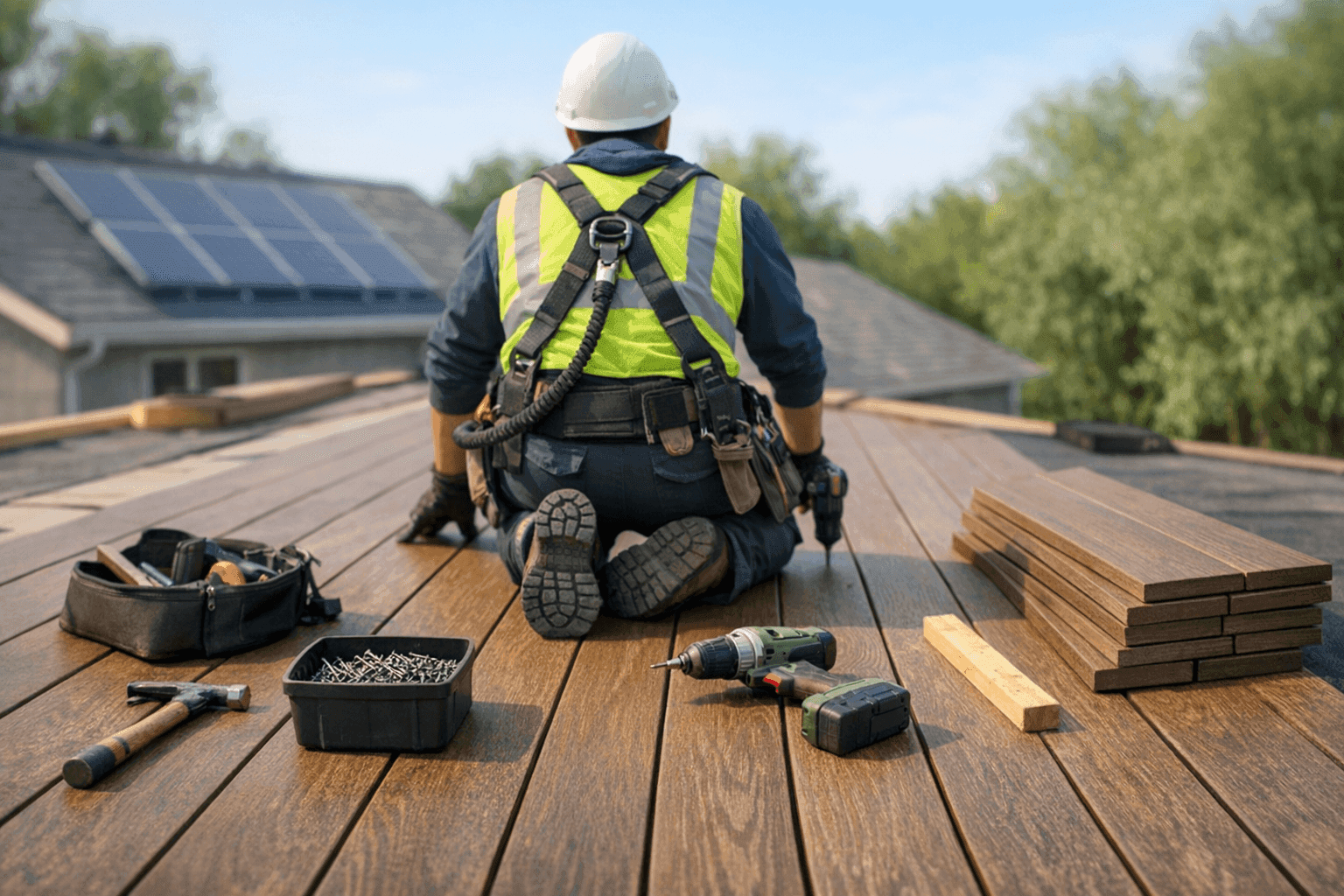
Modern roofing isn’t just about keeping the rain out. It’s about building smarter, greener, and more efficiently—right from the deck up. At KRB Contractors Roofing, we’ve seen how the right choices can shape the future of your home or business.
If you’re starting a new project or updating an old roof, the deck is your foundation. Choosing sustainable decking isn’t just good for the planet—it’s a smart investment in longevity and comfort.
Why Sustainable Decking? 🌱
Think of the decking as the backbone of your roof. It’s what everything else relies on. When you go green with your decking, you’re not just following a trend. You’re making a solid choice for strength, safety, and future savings.
- Less waste: Many sustainable materials are recycled or renewable.
- Better performance: Green options often offer improved insulation and moisture resistance.
- Lower impact: Reducing your carbon footprint, one layer at a time.
Plus, modern building codes and certifications—like LEED and ENERGY STAR—encourage these choices. Your property may even increase in value.
Top Green Materials for Roofing Decking
What goes into a sustainable deck? Not all boards are created equal. Here are some of the most responsible options available today:
- Recycled Wood Composite: Made from reclaimed wood fibers and recycled plastics. Durable, moisture-resistant, and looks great.
- Engineered Plywood: Sourced from fast-growing trees. Cross-laminated for strength, with low-VOC adhesives for indoor air quality.
- OSB (Oriented Strand Board): Uses small, fast-growing wood pieces. Efficient use of forestry resources, and meets strict structural standards.
- Bamboo Panels: Rapidly renewable and surprisingly tough. Bamboo mats or panels can be used in low-slope roof applications.
- Metal Decking: Steel or aluminum, sometimes with recycled content. Non-combustible and strong—ideal for commercial roofing.
Each material has its own personality—its own strengths and quirks. The best option depends on your climate, your roof type, and your budget.
Cost and Performance: What to Expect
Let’s break it down. Sustainable decking can seem more expensive at first glance, but the story doesn’t end with the price tag.
- Upfront investment: Green materials may cost 10–20% more than traditional plywood.
- Long-term savings: Better durability means fewer repairs and less replacement.
- Energy efficiency: Improved insulation can lower your utility bills.
- Insurance benefits: Some insurers offer discounts for fire-resistant or storm-hardy materials.
Think of it like buying a sturdy pair of boots. You pay a little more up front, but they last through every season.
Installation Tips for Green Decking
Green decking doesn’t just drop into place. It needs care—especially during installation.
- Check for moisture: All wood-based materials should be dry before install. Trapped moisture leads to rot.
- Use compatible fasteners: Stainless steel or coated screws help prevent corrosion.
- Follow local codes: Always comply with building regulations in your area. The International Building Code (IBC) and your local permitting office are good starting points.
- Ventilation matters: Proper airflow under the decking prevents heat buildup and extends the life of your roof.
Hiring a professional Decking ensures your deck is installed right—saving you headaches down the line.
Maintenance: Keeping Your Green Deck in Top Shape
A sustainable deck still needs a little TLC. Here’s how to keep it going strong:
- Inspect regularly: Look for soft spots, signs of water damage, or loose fasteners.
- Keep it dry: Clean gutters and downspouts so water drains away quickly.
- Sealant touch-ups: Use low-VOC sealants if required, especially for wood-based materials.
- Watch for pests: Especially with organic materials, keep an eye out for termites or carpenter ants.
Routine maintenance is like brushing your teeth. It doesn’t take long, but it pays off for years.
Quick Safety Checklist Before Starting
Safety isn’t just for the jobsite—it starts with your decisions.
- Choose materials that meet fire and wind ratings for your area.
- Make sure decking thickness matches your roof’s structural requirements.
- Wear gloves, goggles, and a mask if cutting or handling new materials.
- Store decking flat and off the ground until it’s ready to install.
For more on safety, the Occupational Safety and Health Administration (OSHA) is a reliable resource.
DIY vs. Call a Pro
Some decking projects might look simple. But even experienced DIYers can run into trouble with moisture barriers, flashing, and fastener choices.
- DIY: Good for small, low-slope structures like sheds or porches.
- Call a Pro: Essential for homes, businesses, flat roofs, or anything that covers living space.
A new construction project? Always bring in a pro who knows sustainable systems inside and out.
What Roofing Pros Do On Arrival
When you call KRB Contractors Roofing, here’s what happens:
- Assessment: We check the structure, old decking, and any damage.
- Recommendations: Tailored advice based on your goals—eco-friendliness, budget, insulation, and code compliance.
- Safe removal: Old decking is removed with minimal disruption, recycling what we can.
- Expert installation: Every fastener, joint, and flashing detail is handled with an eye for longevity.
We handle everything, so you don’t have to sweat the details.
Prevention & Maintenance: Long-Term Green Gains
Think ahead. Preventative maintenance is what sets a sustainable deck apart from the rest.
- Schedule annual inspections—especially after severe weather.
- Check flashing and sealants for cracks or lifting.
- Keep the roof clear of leaves, branches, and debris.
- Make sure attic insulation and ventilation are working together to prevent condensation.
Prevention is the quiet hero of every strong roof.
When It’s an Emergency
Storms, leaks, or sudden damage? Sustainable decking stands up better than most. But no system is invincible.
- Call for emergency services if water is entering your home.
- Temporary tarps or sealants may help, but the deck must be inspected as soon as possible.
- Document all damage for insurance claims.
Quick action can save you thousands in repairs down the road.
Seasonal Considerations for Green Decking
Every season brings its own challenges.
- Spring: Check for winter damage and make repairs before summer heat.
- Summer: Ensure proper ventilation to avoid heat-related warping.
- Fall: Clean debris and inspect gutters.
- Winter: Look for ice dams, especially on flat or low-slope roofs.
Routine check-ups keep your deck performing year-round.
Common Mistakes to Avoid
It’s easy to trip up. Here’s what we see most often:
- Skipping the moisture barrier.
- Using untreated or non-rated materials.
- Ignoring ventilation needs.
- Overlooking fastener compatibility.
- Forgetting to check local codes.
A little planning prevents a world of headaches.
Signs of Trouble: When to Repair or Replace
Your roof’s deck will talk to you—if you listen.
- Sagging or uneven roof lines.
- Persistent leaks or water stains on ceilings.
- Musty odors in the attic.
- Visible mold or rot on exposed decking.
If you spot these signals, reach out for repairs before small problems become big ones.
Timeline & Disruption: What to Expect
Decking replacement or installation doesn’t have to derail your life.
- Most residential projects are completed in 1–2 days.
- Commercial projects may take longer, depending on size and scope.
- Expect some noise and dust—but with proper prep, disruption is minimal.
We work closely with you to keep your routine running smoothly.
FAQ: Green Roofing Decking
Q: Does eco-friendly decking last as long as traditional materials?
A: Yes—sometimes even longer, thanks to advanced engineering and moisture resistance.
Q: Can I use sustainable decking with any roofing system?
A: Most modern systems (tile, shingle, metal, flat roof) work well, but always confirm compatibility.
Q: Will going green increase my property value?
A: Many buyers look for sustainable features. A green deck can be a real selling point.
Building for the Future
Choosing green decking isn’t just about today—it’s about investing in resilience, comfort, and sustainability for years to come. Whether you’re planning an upgrade or starting from scratch, KRB Contractors Roofing is here to help.
If you’re looking for Eco-Friendly Options that fit your project and values, we’re ready to answer your questions and guide you every step of the way.
Call KRB Contractors Roofing now — or reach us anytime at 855-528-1936 .