Structural Roof Repair: Identifying and Fixing Hidden Dangers
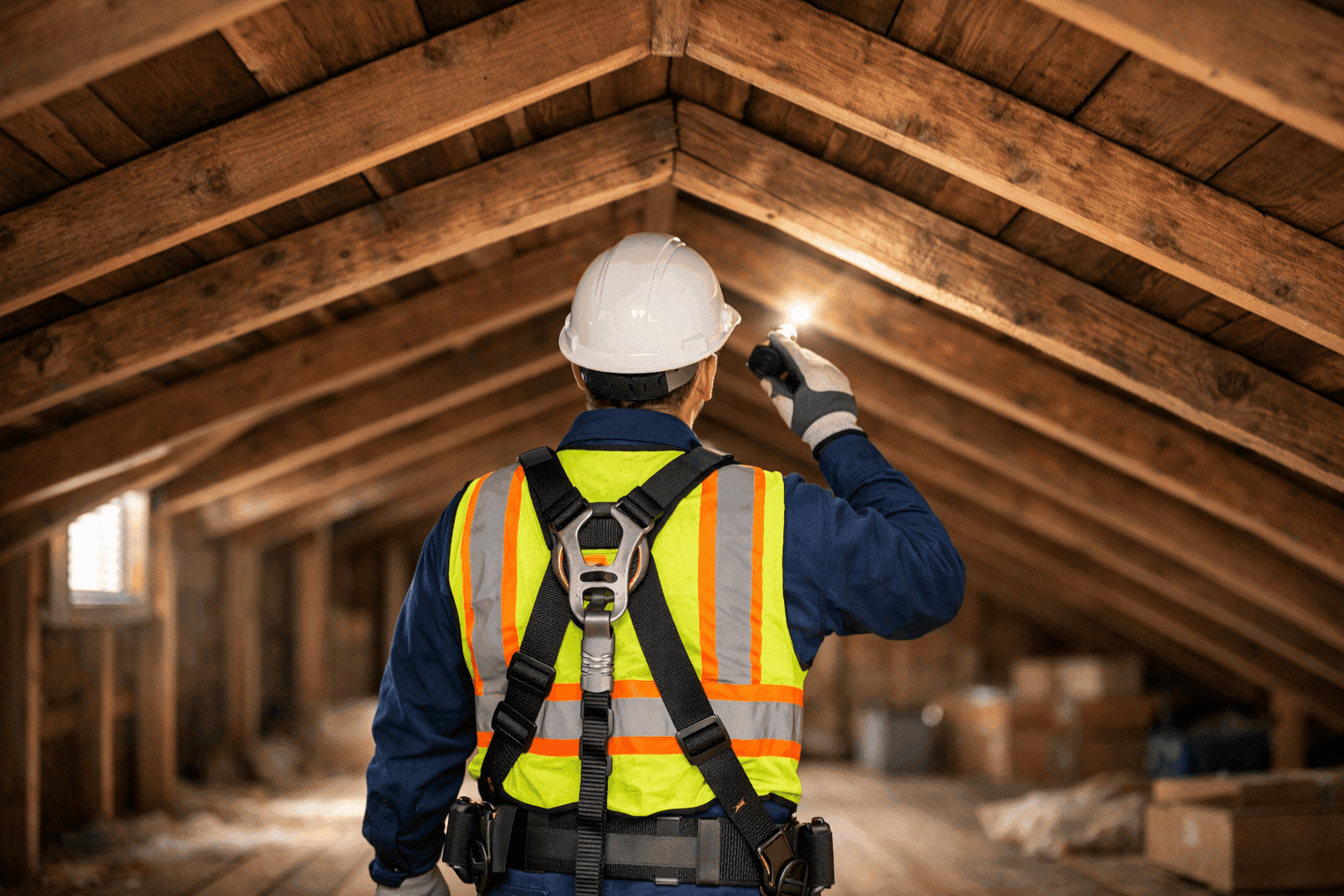
When your roof creaks, sags, or shows dark stains, it’s a warning—one you can’t afford to ignore. Structural roof problems might start quietly, but they can snowball into big trouble. At KRB Contractors Roofing, we’ve seen first-hand how a small issue can turn into a safety risk overnight.
This isn’t just about the cost of repairs. It’s about keeping your family, tenants, or business safe. Let’s break down what to watch for, why it matters, and how you can act before minor roof pain turns into a major headache.
What Is Roof Structure?
Think of your roof as the skeleton that shields your home or business. The structure holds everything up—from heavy tiles and shingles to layers of insulation and flashing. It’s made of rafters, trusses, beams, and decking, all working together like a well-built bridge.
- Decking: This is the flat surface, usually wood or OSB, that supports roofing materials.
- Rafters & Trusses: Angled beams that carry the roof’s weight.
- Support Beams: The backbone, running horizontally for extra strength.
If one part weakens, the whole system feels it. Imagine a chair with a cracked leg—eventually, it buckles. Your roof is no different.
Signs of Structural Damage 🕵️
Structural problems rarely announce themselves with a bang. Instead, they creep up quietly:
- Sagging or uneven lines: Look up from the street; does your roof dip or wave?
- Visible rot or mold: Dark stains in the attic or on beams point to moisture trouble.
- Cracked or bowed decking: Soft spots underfoot mean decking or supports may be failing.
- Doors and windows jam: Shifting roof weight can warp your home’s frame.
- Ceiling cracks or leaks: Water finds the weak spots first.
Trust your instincts. If something feels off, don’t ignore it.
Causes and Risks: Why Roofs Fail
Roofs aren’t just battered by rain and snow. Many things can undermine their structure:
- Water intrusion: Leaks rot wood, rust metal, and destroy insulation.
- Termites and pests: Silent invaders eat away at beams and rafters.
- Age and wear: Over decades, even the best materials break down.
- Poor ventilation: Trapped moisture leads to rot and mold.
- Heavy snow or debris: Extra weight strains supports until they snap.
The risk? A minor sag could become a collapsed roof in a big storm. That’s more than just property damage—it’s a real safety hazard.
When Is It an Emergency?
Some warning signs mean you need help now, not later:
- Sudden, deep sagging
- Loud cracking noises
- Ceiling bowing or falling debris
- Major leaks after storms
If you spot these, evacuate the area below the roof. Stay safe. Call in professionals who know what to look for and how to act fast.
Quick Safety Checklist
Before you climb into the attic or onto the roof, pause. Safety comes first.
- Wear solid shoes with grip.
- Use a sturdy ladder; never balance on furniture.
- If you see wet insulation, mold, or exposed wires, stay out.
- Don’t try to “test” weak spots by walking on them.
According to OSHA and local building codes, always use fall protection and check for structural stability before entering a damaged area.
Common Mistakes Homeowners Make
Good intentions can go sideways. Here’s what to avoid:
- Ignoring small leaks: Water travels and damages hidden supports.
- Putting off inspections: Tiny cracks grow fast.
- DIY fixes: Covering problems with tarps or sealants hides the deeper issue.
- Adding weight: Extra tiles or solar panels without checking supports can overload your roof.
Remember, a quick patch is not a cure for deeper structural woes.
The Repair Process: What Pros Do On Arrival 🛠️
A real fix starts with a careful eye and steady hands. Here’s how KRB Contractors Roofing approaches structural repair:
- Inspection: We assess decking, rafters, and supports, looking for rot, cracks, and movement.
- Moisture check: Pinpoint the source—leaks, condensation, or poor flashing.
- Temporary support: If there’s risk of collapse, we brace the area before repairs.
- Removal: Damaged materials are carefully taken out.
- Replacement: We match new beams, trusses, or decking to original specs.
- Waterproofing: Sealants, coatings, and proper flashing stop future leaks.
- Final inspection: Every joint, nail, and beam is double-checked for strength.
We follow International Building Code guidelines and use quality materials rated for your roof type—whether it’s shingle, tile, metal, or flat.
DIY or Hire a Pro?
Some repairs are best left to those with the right training. If you’re dealing with basic maintenance—like clearing gutters or replacing the occasional shingle—DIY might be safe.
But sagging beams, rotten decking, or major leaks? That’s the territory of trained crews with safety gear. Structural repairs aren’t just about looks; they’re about keeping people safe below.
How Long Does Structural Repair Take?
Timeframes depend on the damage:
- Minor fixes: 1–2 days (replace small decking sections, seal localized leaks)
- Major repairs: 3–7 days (reinforce supports, replace trusses, restore flashing)
- Total roof rebuild: 1–2 weeks
Weather, material supply, and the extent of rot or damage all play a part. We keep you updated at every step.
Disruption: What to Expect
You might hear hammers early in the morning. Some rooms could be off-limits. If decking or beams are being replaced, expect dust and noise. We work to minimize mess and keep your property safe—sheeting off areas, cleaning up daily, and respecting your space.
Why Decking Matters
Decking is more than just a base for shingles. It ties your roof together, spreads weight, and protects the insulation below. Weak decking lets water in and support beams sag. That’s why we check it every time we do a structural-repair job.
The Role of Ventilation and Insulation
A roof needs to breathe. Good ventilation keeps moisture from building up, preventing rot and mold. Insulation protects both your roof and your energy bills. If these are missing or blocked, even a new roof can fail early.
Prevention: Keep Trouble at Bay 🛡️
A little attention goes a long way. Here’s what you can do:
- Book annual roof inspections, especially after storms or heavy snow.
- Clean gutters and downspouts to prevent water pooling.
- Check for cracked tiles, missing shingles, or damaged flashing.
- Watch for uneven lines or dips from the outside.
- Keep attic spaces dry and well-ventilated.
The National Roofing Contractors Association recommends regular checks, and so do we.
Seasonal Considerations
- Spring: Look for winter damage, leaks, and animal nests.
- Summer: Heat can warp decking and dry out sealants.
- Fall: Clear leaves from gutters; check before snow arrives.
- Winter: Watch for ice dams and heavy snow buildup.
Every season brings new challenges, and your roof needs attention all year round.
FAQ: Your Structural Roof Repair Questions Answered
Q: Can I just add new shingles if the roof sags?
A: No—this hides the problem and adds weight. The structure underneath needs repair first.
Q: Is sagging always a sign of danger?
A: Not always, but even small dips should be checked by a professional to rule out serious issues.
Q: Can you fix just one part, or is a full replacement needed?
A: It depends on the extent of damage. Sometimes we can reinforce or replace specific beams or decking, but widespread rot may call for larger repairs.
When to Call a Structural Specialist
If you see major sagging, hear cracking, or feel unsafe, don’t risk it. Structural repairs are about more than looks—they’re about the bones of your building.
Whether you have an old home, a new build, or a busy business, we’re ready to help. KRB Contractors Roofing brings years of experience to every project, big or small.
For those searching for reliable roofing services in your area, our team is always here to help. If you’re in need of trusted crew for Decking or urgent Roof Repair, don’t wait.
If you’re looking to find a dependable roofing contractor, you can always connect with our roofing company for more information and support.
Call KRB Contractors Roofing now — or reach us anytime at 855-528-1936 .