Roofing for New Homebuyers: Inspection, Maintenance, and Planning Ahead
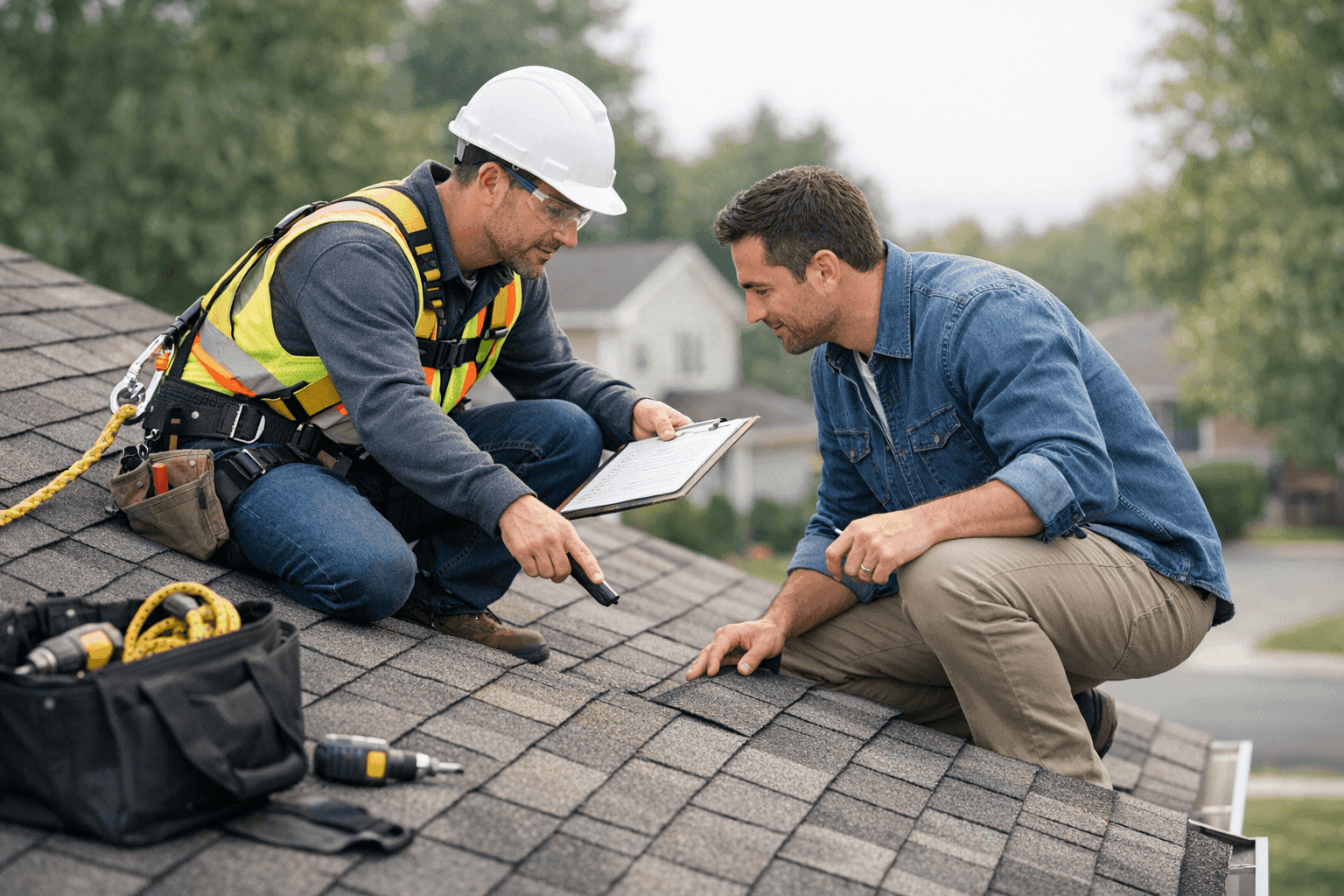
Buying a new home should be exciting. But the roof over your head? That’s one detail you can’t afford to overlook. Too many buyers miss costly issues hiding just above eye level.
At KRB Contractors Roofing, we’ve seen every kind of surprise—from tiny leaks that snowball into major headaches, to missteps during inspections that can drain your wallet fast. Let’s help you spot the warning signs, plan for maintenance, and make smart choices before you sign on the dotted line.
Why Roofs Matter for Buyers 🏡
Your roof is more than curb appeal. It’s the shield between your investment and the elements. A neglected roof can lead to expensive repairs, insurance battles, and even safety hazards. According to the International Association of Certified Home Inspectors (InterNACHI), roofing issues are among the top reasons real estate deals fall through.
Choosing a home with a sound roof isn’t just smart—it’s essential. Whether you’re eyeing tile roofing, shingle, or metal roofs, understanding the basics can mean the difference between peace of mind and a money pit.
Pre-Purchase Inspection Checklist
Before you fall in love with that new place, grab a flashlight and this checklist. Even if you’ll hire a pro for Inspections, these steps help you spot early warning signs:
- Look for missing, curled, or cracked shingles. Shingles should lie flat like scales on a fish.
- Check for dark streaks or moss. This could mean trapped moisture or algae.
- Inspect gutters and downspouts. Are they attached, clear, and draining away from the house?
- Examine flashing around chimneys and skylights. Bent, rusted, or missing metal is a red flag.
- Peek inside the attic. Daylight? Water stains? Musty smells? These spell trouble.
- Ask about the roof’s age and warranty. Most roofs last 15–30 years, depending on material.
If you spot any of these issues, don't panic—but don’t ignore them either.
Red Flags to Watch
Some roof problems are obvious. Others hide in plain sight. Watch for:
- Sagging rooflines. Like a drooping hat brim, this signals structural problems.
- Granules in gutters. Asphalt shingles shed granules as they age—heavy loss means it’s time to replace.
- Water stains on ceilings or walls. Even small spots can mean big leaks.
- Loose or missing flashing. This metal is the roof’s “seatbelt”—it keeps water out of seams.
If you’re not sure what you’re seeing, take photos and ask your inspector or a Inspections.
Maintenance Planning for New Homebuyers
Imagine your roof as a car. Would you drive it for years without an oil change? Regular Preventative Maintenance keeps your roof in fighting shape and can save thousands in future repairs.
Here’s how to get started:
- Schedule annual inspections. Spring and fall are best.
- Clean gutters and downspouts. Blockages cause water to back up under shingles.
- Trim overhanging branches. They scrape and drop debris.
- Check attic ventilation and insulation. Proper airflow prevents moisture buildup.
- Look for signs of animal entry. Birds, squirrels, and insects all love warm attics.
Consider creating a simple calendar reminder or using a home maintenance app. Small actions now mean fewer big repairs later.
Negotiating Roof Repairs: Tactics for Homebuyers
Found problems? That’s your signal to negotiate. Use the inspection report as leverage. Here’s what you can do:
- Request that sellers make repairs before closing. Provide quotes from a reputable roofing contractor like KRB Contractors Roofing.
- Ask for a price reduction or closing credit. This lets you handle the work your way after purchase.
- Insist on documentation. If repairs are made, get receipts and warranties in writing.
Remember, a patched roof isn’t the same as a new one. If a full replacement is needed, factor that cost into your offer.
What Professional Roof Inspectors Do
A professional doesn’t just glance at shingles. At KRB Contractors Roofing, our team:
- Climbs up safely with harnesses and gear
- Checks every inch of flashing, vents, and skylights
- Inspects attic spaces for leaks, rot, and insulation gaps
- Uses moisture meters and infrared cameras for hidden issues
- Documents everything with photos and plain-language notes
This isn’t just a checklist—it’s peace of mind.
DIY vs. Call a Pro: Know Your Limits
It’s tempting to save money by doing it yourself. But climbing ladders and navigating steep pitches is risky. According to the Occupational Safety and Health Administration (OSHA), falls from roofs are a leading cause of injury.
If you’re unsure, hire a professional. They have the tools and training to spot subtle issues and keep you safe.
Seasonal Considerations
Roofs face different threats as the seasons change:
- Spring: Melting snow and heavy rains reveal leaks.
- Summer: UV rays dry out shingles and crack sealants.
- Fall: Leaves clog gutters, risking ice dams.
- Winter: Freeze-thaw cycles expose weak spots.
Plan inspections and maintenance around these cycles for maximum protection.
Emergency Situations: What to Do When Trouble Strikes
Sudden storm? Tree branch through the roof? Act fast:
- Stay safe. Don’t climb on a wet or wind-damaged roof.
- Contain leaks. Use buckets or tarps indoors.
- Call emergency roofing services. Quick action limits further damage.
- Document everything. Take photos for insurance claims.
At KRB Contractors Roofing, emergency calls are part of our service. Don’t wait—fast response matters.
Roofing Materials: What New Homebuyers Should Know
Not all roofs are created equal. Here’s a quick rundown:
- Asphalt shingles: Affordable, common, 15–30 years lifespan.
- Tile Roofing: Durable, stylish, but heavier and may need extra support.
- Metal Roofing: Long-lasting, energy-efficient, great for both homes and businesses.
- Flat Roofs: Common in commercial properties, require special coatings and drainage.
Ask your inspector what material you have and what maintenance it needs.
Common Mistakes New Homebuyers Make
- Ignoring small leaks. A drip today can mean mold tomorrow.
- Skipping attic inspections. Out of sight, out of mind—until it’s too late.
- Assuming a new roof is perfect. Even new materials can be poorly installed.
- Forgetting about gutters and ventilation. Roof health isn’t just about shingles.
Avoid these pitfalls and save yourself headaches (and cash).
Costs and Time Factors
Roof repairs and replacements aren’t one-size-fits-all. Prices depend on materials, pitch, and the scope of work. Emergency fixes cost more than scheduled maintenance. Always get multiple quotes and review scopes of work in detail.
A simple repair might take a day. Full replacements can last a week or more—plan accordingly.
Timeline and Disruption: What to Expect
Roofing work is noisy. It’s messy. Good contractors protect landscaping and clean up daily, but expect some disruption. If you work from home or have pets, consider alternate arrangements during big projects.
FAQs: Quick Answers for Homebuyers
Q: How long does a typical roof last?
A: 15–30 years, depending on materials and maintenance.
Q: Is roof replacement always necessary if there are leaks?
A: Not always. Repairs can often extend the life of your roof.
Q: Can I inspect the roof myself?
A: You can spot obvious issues, but a pro will catch what you might miss.
Q: Should I worry about moss or algae?
A: Yes. These hold moisture and shorten roof life.
Planning for the Future: Protect Your Investment
Think of your roof as an investment—not just an expense. Stay proactive with Preventative Maintenance and regular Roof Repair to extend its life and preserve your home’s value.
Whether you’re buying your first home, upgrading, or investing in commercial property, understanding roofing basics pays off for years to come.
Call KRB Contractors Roofing now — or reach us anytime at 855-528-1936 .