Roofing for Multi-Family Dwellings: Challenges and Solutions
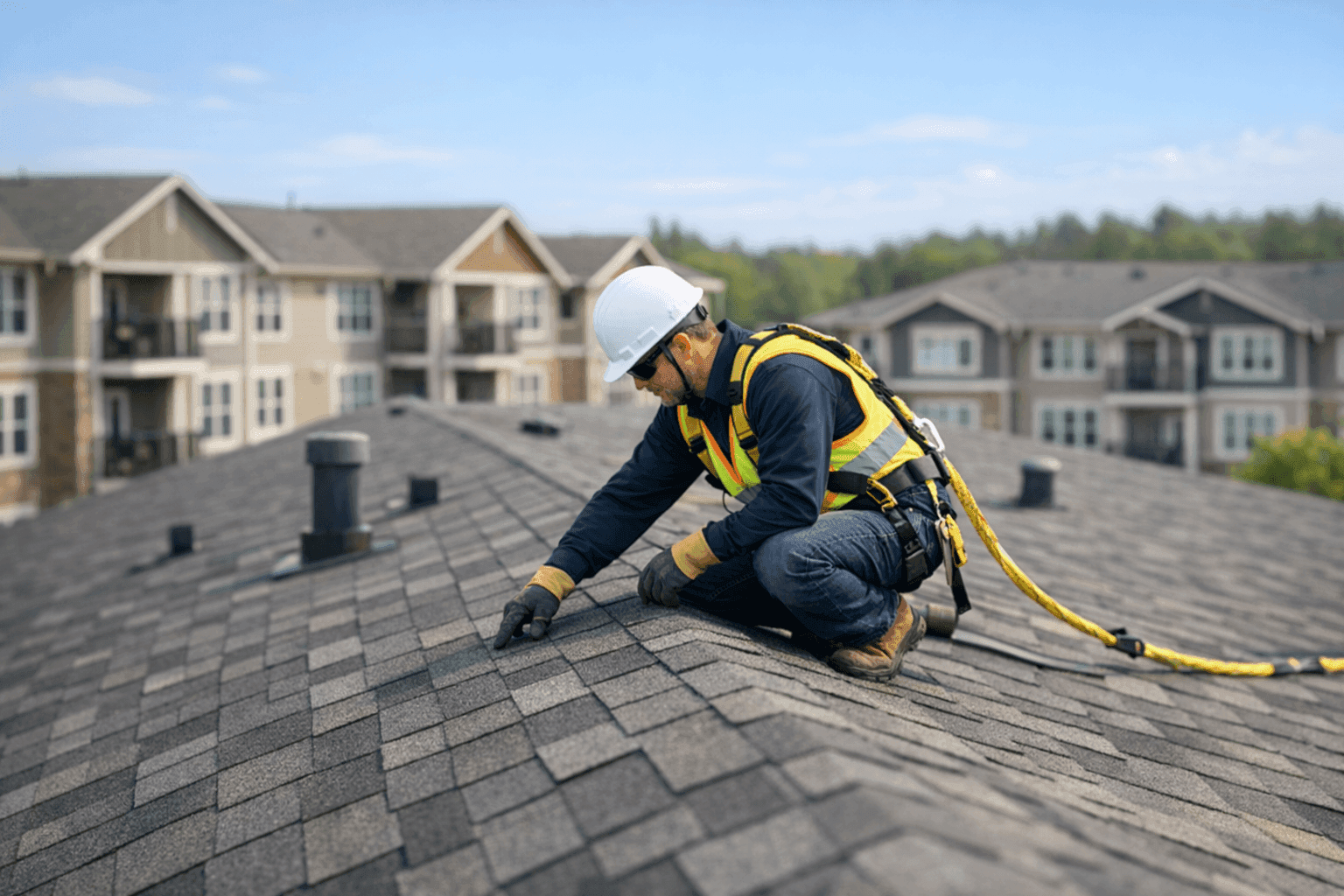
Multi-family dwellings—apartment complexes, condos, and townhomes—are a world apart from single-family homes when it comes to roofing. More residents means more responsibility, and roofing issues can quickly ripple across dozens of units if not handled right. At KRB Contractors Roofing, we know the stakes are high. One leak can impact a family’s home, two can mean major disruption, and unchecked problems can snowball into emergency calls and insurance headaches.
If you’re a property manager or board member, you already know: the roof over your residents’ heads is the first line of defense. Let’s walk through the unique needs, challenges, and practical solutions for managing roofing on multi-unit properties—so you can keep things running smoothly and avoid costly surprises.
Unique Needs of Multi-Family Roofs 🏢
Not all roofs are created equal. Multi-family dwellings have larger surface areas, more penetrations (vents, skylights, chimneys), and extra layers of communication. Think of it like conducting an orchestra instead of a solo—every section has to be in tune, or the whole performance suffers.
Key considerations include:
- Complex layouts: More units mean intersecting rooflines, valleys, and dormers.
- Shared infrastructure: HVAC systems, satellite dishes, and skylights can affect multiple tenants.
- Increased liability: One small problem can impact several families, increasing urgency.
- Diverse materials: From flat roofs to tile or shingle, multi-family properties often use a mix of roofing types.
Understanding these needs is the first step to smart roof management.
Common Challenges in Multi-Unit Roofing
Every roof tells a story. In multi-family settings, that story can get complicated fast.
Typical challenges:
- Leaks that travel: Water finds the path of least resistance. A leak in one unit can show up in another.
- Aging materials: Large roofs may have repairs done in phases, leading to patchwork ages and conditions.
- Coordination headaches: Repairs or replacements require access to multiple units and cooperation between tenants.
- Code compliance: Local ordinances and fire codes—like those referenced by the National Roofing Contractors Association (NRCA)—may impose stricter requirements for multi-unit structures.
Maintenance Strategies That Work
Preventative care is key. Think of it like regular oil changes for a fleet of trucks. You wouldn’t wait for an engine to seize up before taking action.
Effective strategies:
- Routine inspections: Schedule biannual checks—especially after storms.
- Clear debris: Leaves and branches can clog gutters and downspouts, leading to water buildup and leaks. Consider Gutter Cleaning and Repair.
- Sealant checks: UV rays and weather can break down sealants around vents and skylights.
- Documentation: Keep detailed records of maintenance and repairs for insurance and resale value.
Following guidance from the International Building Code (IBC) and manufacturer recommendations helps ensure long-term performance.
Repair Coordination Without the Chaos
When something breaks, speed and clarity matter. But so does organization.
Tips for smooth repairs:
- Clear communication: Notify all affected residents well in advance.
- Entrances and parking: Arrange for crew access and reserve parking if needed.
- Safety first: Block off work areas and use signage to keep everyone safe.
- Efficient scheduling: Bundle repairs to minimize disruption—fix multiple leaks or upgrade components at once.
A designated point person—usually the property manager—should coordinate between residents and the roofing team. This keeps the project on track and prevents confusion.
Upgrade Opportunities: Beyond Basic Repairs
Roofs aren’t just a shield—they’re an investment. Proactive upgrades can save money in the long run and add value to your property.
Smart upgrades include:
- Energy-efficient coatings: Reflective coatings reduce cooling costs, especially on flat roofs.
- Improved ventilation: Proper attic airflow cuts down on moisture and extends roof life. Preventative Maintenance services are a wise move.
- Modern gutter systems: Seamless gutters and new downspouts handle water better and look cleaner.
- Eco-friendly materials: Metal roofing and recycled-content shingles offer durability and sustainability benefits.
Talk to your roofing contractor about tailored solutions for your building’s specific needs.
Quick Safety Checklist for Multi-Family Roofs
Safety isn’t optional—it’s essential. Before any work begins, run through this checklist:
- Confirm all permits and code requirements.
- Notify residents and post safety signage.
- Secure entrances and walkways below work areas.
- Ensure all workers use proper fall protection per OSHA guidelines.
- Keep fire exits and emergency routes clear.
A safe project protects both residents and workers.
DIY vs. Call a Pro: When to Bring in the Experts
Some maintenance tasks—like cleaning a ground-level gutter—can be handled in-house. But most multi-family roofing jobs need trained professionals.
Call a pro for:
- Leak detection and repair in hard-to-reach spots
- Major storm damage
- New installations or roof replacement
- Structural repairs or inspections
Specialized equipment, safety training, and manufacturer certifications make a difference. For complex jobs, professional help is the only safe choice.
What to Expect When the Pros Arrive
Wondering what happens when a roofing crew shows up?
- Inspection: Teams start with a full assessment, inside and out. They look for leaks, loose flashing, damaged shingles, and drainage issues.
- Photos and documentation: Expect detailed notes and pictures—they help with insurance claims and future planning.
- Clear timelines: Good crews outline the schedule and communicate any changes quickly.
- Clean-up: The job isn’t done until the site is clear of debris, nails, and materials.
Transparency and respect for residents’ space set great teams apart.
Seasonal Considerations: Weathering the Storms
Roofs face different threats as the seasons change.
- Spring: Heavy rain tests waterproofing and drainage.
- Summer: UV rays can crack shingles and dry out sealants.
- Fall: Leaves pile up, clogging gutters and downspouts.
- Winter: Ice dams and snow loads stress roof structures.
Schedule targeted inspections and maintenance as seasons shift. This keeps small problems from turning into big ones when the weather turns.
Emergency Response: When Time Is Not on Your Side
Sometimes, the roof demands immediate attention. A hurricane rolls in. A tree branch punches through. Water pours in.
In an emergency:
- Call for help right away—don’t wait.
- Move residents and belongings away from affected areas.
- Use tarps for temporary protection until repairs begin.
- Document everything with photos and notes for your insurance company.
Quick action limits damage and helps everyone get back to normal faster.
Common Mistakes Property Managers Make
Even the best intentions can go sideways. Avoid these pitfalls:
- Skipping regular inspections to save time or money
- Delaying small repairs until they become big, expensive headaches
- Failing to document work and communicate clearly with residents
- Choosing the lowest bidder without checking references or certifications
A little diligence now saves a lot of trouble later.
Signs of Roof Trouble: Early Warnings
Don’t ignore these red flags:
- Water stains or bubbling paint on ceilings
- Missing, cracked, or curling shingles
- Granules collecting in gutters
- Sagging spots or soft areas on flat roofs
- Rust around flashing or skylights
Addressing issues early keeps repairs smaller and less disruptive.
Managing Costs and Minimizing Disruption
Budgeting for roofing on a multi-family property can feel like walking a tightrope. You want quality work, but you need to keep costs reasonable.
Smart approaches:
- Prioritize preventative maintenance—much cheaper than emergency repairs.
- Get multiple quotes and detailed scopes of work.
- Plan projects during off-peak seasons if possible.
- Bundle services when practical (such as combining leak repairs with gutter work).
Transparent communication with residents also helps manage expectations and reduce complaints.
Timeline Expectations: How Long Will it Take?
Every project is unique, but here’s what to expect:
- Inspections: Usually a single day, depending on roof size.
- Repairs: Minor fixes can be done in a day or two. Larger jobs may stretch over a week.
- Replacements: Full roof replacement on a large building can take one to two weeks, weather permitting.
Advance planning and clear schedules keep everyone in the loop and reduce surprises.
Building Trust with Residents and Boards 🤝
Trust isn’t built overnight. It comes from clear communication, consistent follow-up, and visible results.
Tips for building trust:
- Share inspection and repair reports with residents and boards.
- Hold regular meetings to discuss upcoming projects.
- Respond promptly to concerns and feedback.
A reliable roofing company makes a world of difference in keeping everyone confident and informed.
References and Best Practices
At KRB Contractors Roofing, we stay current with:
- International Building Code (IBC)
- National Roofing Contractors Association (NRCA) best practices
- Local fire and safety codes
- OSHA safety standards
Following these guidelines ensures quality, durability, and safety for every project.
Managing multi-family roofing isn’t simple. But with a thoughtful approach, clear communication, and the right partner, you can protect your property—and your peace of mind.
Call KRB Contractors Roofing now — or reach us anytime at 855-528-1936 .