Roofing for Hot and Cold Weather: Maintenance and Upgrade Tips
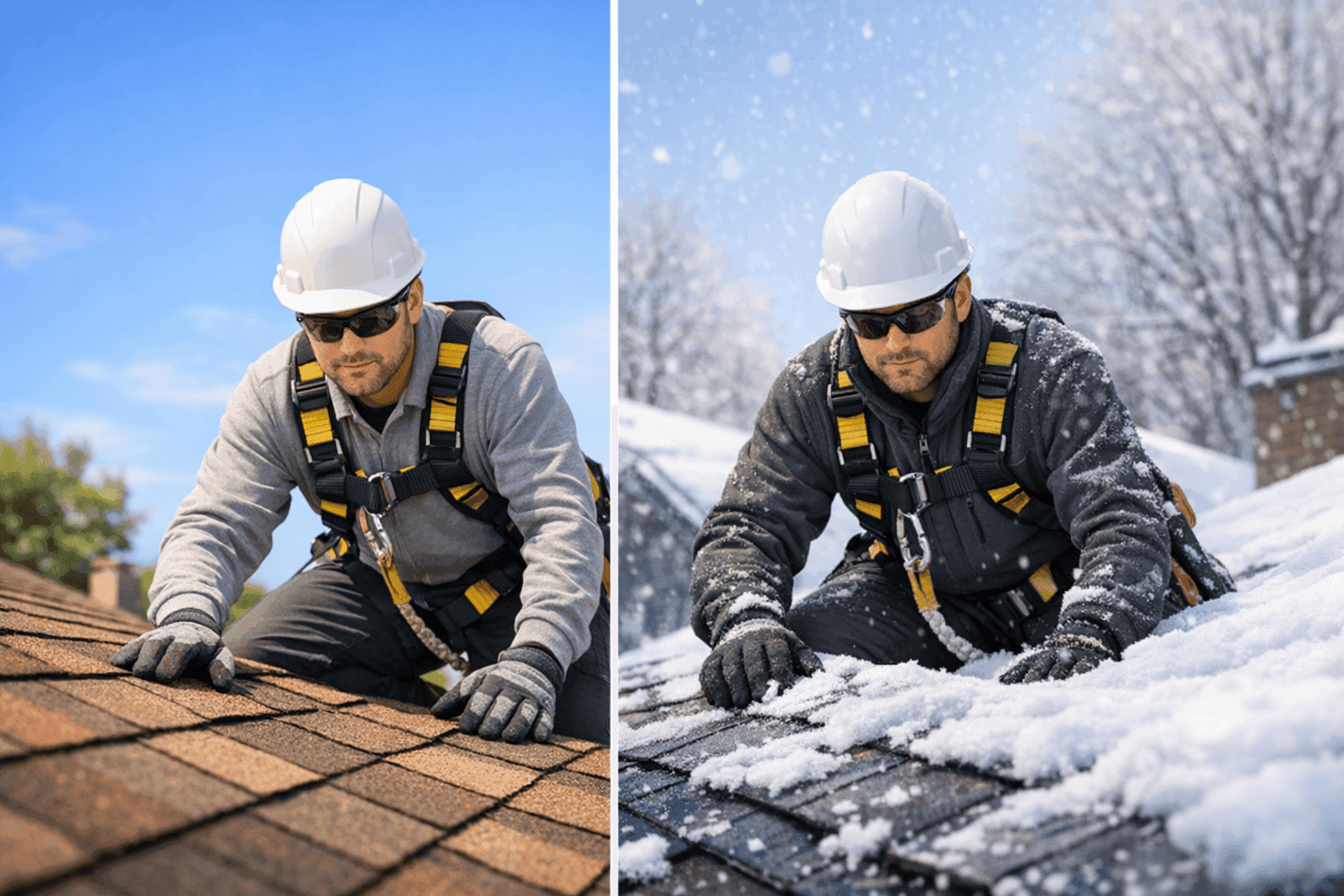
Is your roof ready for whatever the weather throws at it? You count on your roof year-round, but heatwaves and cold snaps can turn small problems into big headaches. Whether you have a tile, metal, or shingle roof, knowing how to care for it means fewer surprises—and a lot more peace of mind.
At KRB Contractors Roofing, we’ve seen it all. From sun-baked shingles curling up to ice dams sneaking under tiles, weather extremes test every inch of your roof. Let’s break down what you need to know to keep your roof strong, safe, and built to last.
How Weather Impacts Roofs: The Heat, The Cold, and Everything In Between 🌡️
Roofs are like shields, taking the brunt of whatever’s outside. Hot summers and freezing winters each bring their own set of challenges:
- Scorching Heat: High temps can cause shingles to warp, crack, or lose their protective granules. Metal roofs may expand, stressing fasteners and seams. Sealants dry out faster, too.
- Bitter Cold: Freeze-thaw cycles are tough on roofing. Water sneaks into tiny cracks and freezes overnight, expanding and widening gaps. Ice dams can form, especially if insulation or ventilation is lacking.
- Storms and Heavy Rain: Sudden downpours test your gutters, flashing, and roof valleys. Wind-driven rain finds the tiniest weaknesses.
- Snow and Ice: Snow piles up, adding weight. Melting snow can refreeze at the eaves, creating ice dams that force water under your shingles.
No roof is immune. But with regular attention and a few smart upgrades, you can keep trouble at bay.
Maintenance for Heat and Cold: Your All-Season Action Plan
Think of roof care as spring cleaning—except you’ll want to do it before each major weather swing. Here’s what matters most:
For Hot Weather
- Inspect for Cracks and Warping: Shingles and tiles can curl or crack under intense sun. Look for blistering on flat roofs.
- Check Sealants and Coatings: Sealants around vents, skylights, and flashing often dry out. Touch up with UV-resistant products from our Sealants and Coatings service.
- Clean Gutters & Downspouts: Debris can trap heat and moisture, speeding up shingle damage.
- Assess Roof Color: Light-colored roofs reflect more sunlight. Thinking about an upgrade? We can advise on energy-efficient options.
For Cold Weather
- Monitor for Ice Dams: Make sure insulation and ventilation are up to code. Blocked roof vents or poor attic insulation trap heat, leading to ice dams.
- Clear Snow Buildup: Use a roof rake from the ground after heavy snowfall. Never climb a slippery roof.
- Inspect Flashing: Flashing around chimneys and vents is a common weak spot in winter.
- Check for Loose Shingles or Tiles: Winter storms can pull them loose, letting water in.
Routine preventative maintenance is the best way to spot trouble before it starts.
Upgrade Options: Build a Roof That Stands Up to Every Season
Sometimes, a patch isn’t enough. If your roof is aging or you’re seeing repeated problems, upgrades can save money—and stress—long term.
Smart Roofing Upgrades
- Reflective Coatings: These bounce back sunlight, lowering summer cooling costs and extending roof life.
- Modern Ventilation & Insulation: Proper attic airflow and insulation make a huge difference. They keep heat out in summer and warmth in during winter. Our Ventilation & Insulation experts can help.
- Impact-Resistant Shingles or Tiles: Especially useful in storm-prone areas. They last longer and resist hail, wind, and debris.
- Seamless Gutters: Reduce leaks and clogs, protecting your roof and foundation in every season.
- Eco-Friendly Options: Cool roofs and green roof systems help regulate temperature and reduce environmental impact.
Seasonal Inspection Checklist 📝
Regular checks keep small issues from turning into roof replacements. Here’s a handy checklist for both spring/summer and fall/winter:
Spring/Summer
- Look for cracked, missing, or warped shingles/tiles.
- Inspect sealants and flashing for drying or gaps.
- Clean gutters and downspouts.
- Check skylights, chimneys, and vents for leaks.
- Examine attic for signs of daylight or water stains.
Fall/Winter
- Clear leaves and debris before first snow.
- Check attic insulation and ventilation.
- Look for ice dams or snow buildup on eaves.
- Monitor for icicles—often a warning of heat loss.
- Inspect for loose or damaged flashing.
Consider scheduling a professional roof inspection yearly. The National Roofing Contractors Association recommends at least twice a year.
Repair Warning Signs: Catch Issues Early
Your roof will usually try to warn you before a major leak. Watch for:
- Water stains on ceilings or walls
- Curled, cracked, or missing shingles/tiles
- Granules in your gutters (from asphalt shingles)
- Sagging roof deck
- Peeling paint on roof overhangs
- Visible rust on flashing or metal panels
- Unexplained increases in heating or cooling bills
If you spot any of these, it’s time to act fast. Quick repairs can prevent much bigger headaches.
DIY or Call a Pro? Knowing When to Get Help
Some roof tasks are safe for handy homeowners—like cleaning gutters or checking for loose shingles from the ground. But climbing ladders or working on steep or icy roofs is dangerous. For anything beyond a quick visual check, call an insured roofing contractor.
Our team at KRB Contractors Roofing brings the right safety gear, training, and experience. We can spot hidden damage and fix issues before they get worse.
What Happens When the Pros Arrive
Worried about what to expect? Here’s how a typical service call goes:
- Inspection: We walk the roof, check the attic, and look for trouble spots.
- Photos & Notes: Documenting what we see, so you get clear information.
- Recommendation: You get honest advice—no unnecessary upsells.
- Repair or Maintenance: We use quality materials, following industry best practices and local building codes.
- Cleanup: Leaving your property tidy and safe.
Prevention & Maintenance: The Long Game
Think of preventative maintenance like an annual checkup for your roof. It’s about fixing little issues before they become leaks, rot, or costly replacements.
- Schedule regular inspections—ideally before and after extreme seasons.
- Keep gutters and downspouts clear.
- Make sure attic ventilation and insulation are working.
- Apply fresh sealants as needed.
- Address storm damage right away.
Want more details? Ask about our preventative maintenance programs.
When It’s an Emergency
Heavy storms, falling branches, or sudden leaks can happen at any time. If water is pouring in, move valuables away and place buckets or tarps to catch drips. Then, call a professional right away. Emergency services are available for situations that can’t wait.
Common Mistakes to Avoid
- Ignoring small leaks (they never fix themselves)
- Walking on hot roofs—shingles can bruise easily in the heat
- Waiting until winter for repairs (cold weather makes materials brittle)
- Overloading the roof with decorations or equipment
- Using the wrong sealants or patch materials
Learn from others—take action early and use the right approach for your roof type.
Costs & Time Factors: What to Expect
- Routine maintenance and inspections: Usually quick and affordable.
- Minor repairs: Most are done in a day.
- Major upgrades or roof replacements: May take several days to a week, depending on roof size, material, and weather.
- Delays: Can happen in wet or freezing conditions—safety comes first.
Quality work saves money in the long run—cutting corners can lead to expensive repairs later.
Roofing Materials: How Your Choice Matters
- Tile Roofing near you: Durable and stylish, but needs proper support and regular checks, especially after freezes.
- Metal Roofing: Great for both hot and cold climates. Reflects heat, sheds snow, but watch for loose seams.
- Shingle Roofing: Versatile and cost-effective, but can be prone to heat or cold damage if not maintained.
- Flat Roofs: Require special sealants and coatings to handle ponding water and temperature swings.
Choose the right material for your building and climate. We can help you weigh options and find the best fit.
Timeline & Disruption: Real-World Expectations
Worried about noise or mess? Most repairs are quick and minimally disruptive. Roof replacements or large upgrades take longer, but professional crews work efficiently and clean up thoroughly.
Communication is key. We keep you updated so you’re never left guessing.
Frequently Asked Questions
How often should I inspect my roof?
Ideally twice a year—once in spring and once in fall.
What’s the best way to prevent ice dams?
Proper attic insulation and ventilation. Our Ventilation & Insulation services can help.
Should I clear snow from my roof?
Light snow usually isn’t a problem, but heavy, wet snow should be removed with a roof rake (from the ground). Never climb up yourself.
Can I apply roof sealants myself?
You can, but using the right product and technique is key. When in doubt, call a pro.
Local Know-How Matters
Every climate is a little different. Whether you’re facing heat, snow, or both, our team brings years of experience to every job. If you’re looking for reliable roofing services in your area, including Sealants and Coatings, we’re here for you.
Ready to protect your roof from the seasons ahead? Call KRB Contractors Roofing now — or reach us anytime at 855-528-1936 . We’re here to keep your home or business covered, no matter the weather.