Roofing for Historic and Older Buildings: Restoration and Upgrade Tips
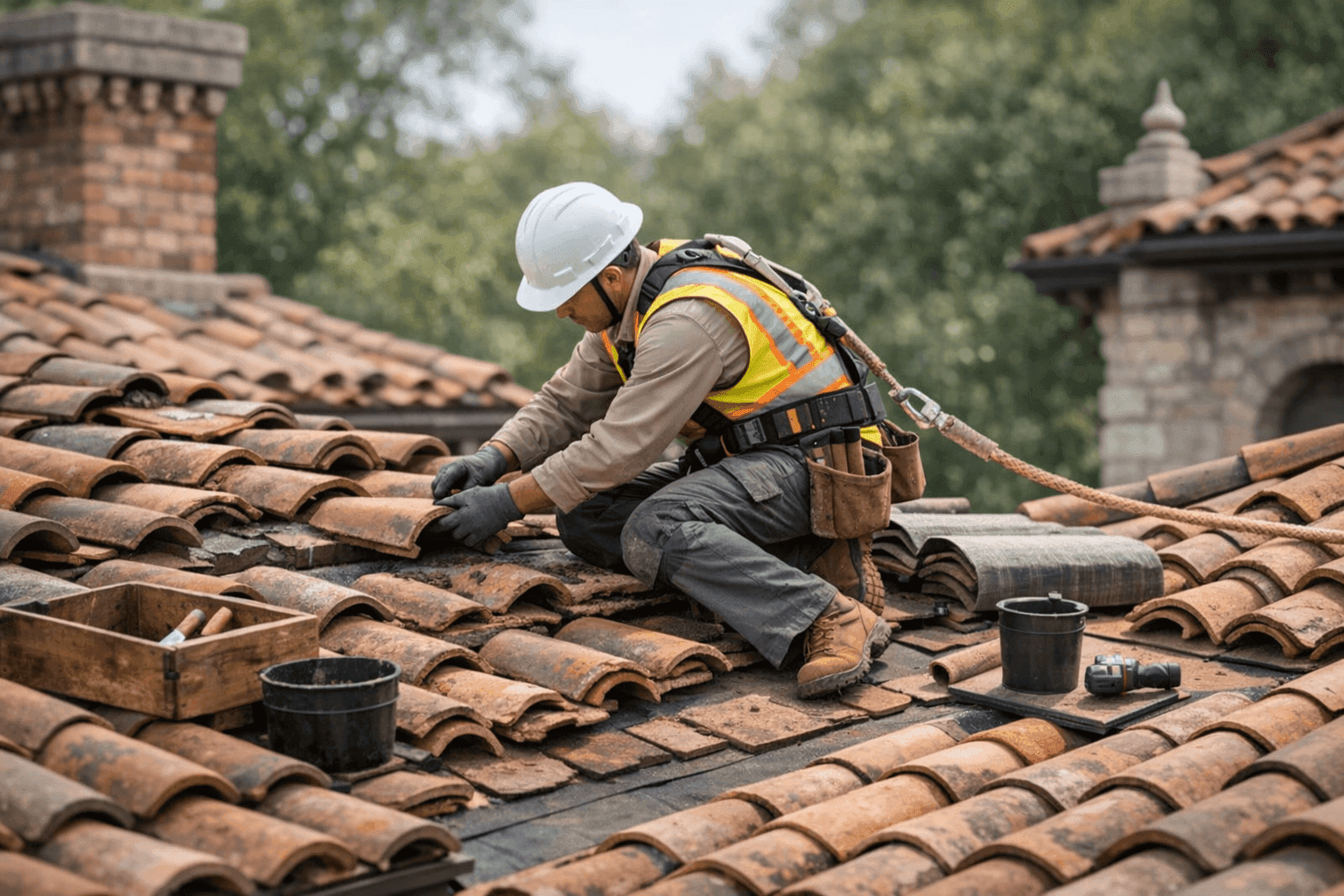
Owning or managing a historic building is a special responsibility. The patina of old brick, the curve of weathered wood, and the timeless beauty of a slate or clay tile roof—these details tell the story of another era. But when leaks strike or tiles slip, urgency replaces nostalgia fast. At KRB Contractors Roofing, we know how delicate the balance can be between preservation and modern performance.
Whether you’re a homeowner, property manager, or board member, it’s natural to worry about the next big storm or the slow creep of time. The good news? With the right approach, you can protect your building’s character and give it the strength to stand for decades to come.
Unique Needs of Historic Roofs 🏛️
Historic and older buildings are not your everyday projects. Their roofs were built in an age before modern codes, insulation standards, or manufactured materials. Each one is unique—sometimes even quirky.
- Design: Complex slopes, turrets, or dormers often make access tricky.
- Materials: Original tiles, wood shingles, or metalwork may be tough to replace.
- Underlying Structures: Rafters and decking may have aged or shifted over time.
- Historic Guidelines: Many communities require strict adherence to preservation standards (see National Park Service Preservation Brief 4 for context).
A roof here isn’t just a shield—it’s a piece of history.
Restoration vs. Replacement: How to Decide
Should you save the old, or bring in the new? The answer isn’t always obvious.
Restoration focuses on patching, reinforcing, or reusing original materials. This keeps the building as authentic as possible and often satisfies local historic commissions.
Replacement becomes necessary when:
- The original material is too damaged or unavailable.
- Underlying structures are unsafe.
- Modern weather or building codes require upgrades.
Most projects fall somewhere in between. A skilled roofing contractor can help you weigh cost, code, and character. Sometimes, preserving 80% of the material and selectively replacing only what’s needed is the winning formula.
Matching Materials: The Art and Science
Finding the right match is like trying to find the missing tile in a centuries-old mosaic.
Tips:
- Save any original tiles, slates, or shingles for future repairs.
- Contact specialty suppliers who stock reclaimed or period-accurate materials.
- When exact matches aren’t possible, prioritize color and texture over age.
- For Tile Roofing, consider hand-made or custom-finished options.
Note: Some modern materials can mimic the look of historic ones but offer better durability. If you’re required to match, check with your local preservation board first.
Upgrading for Efficiency—Without Losing Character
Old roofs weren’t built with energy savings in mind. But you don’t have to sacrifice comfort for style.
Efficiency upgrades include:
- Discreetly adding insulation between rafters.
- Installing modern underlayments beneath historic tiles or shingles.
- Upgrading ventilation systems to prevent heat buildup and moisture damage.
- Using reflective coatings that don’t change the roof’s appearance.
The key? Each upgrade should be invisible from the street but powerful in performance.
Common Pitfalls to Avoid 😬
Historic roofing projects can quickly go off the rails if you’re not careful.
- Rushing the inspection: Missed rot, water damage, or hidden leaks can turn a simple repair into a major project.
- Using incompatible materials: Modern nails or sealants might react badly with old tiles or metal.
- Ignoring code: Even historic buildings must follow local safety and fire regulations.
- Improper flashing: Chimney and valley flashings must be installed with care—these are common leak points.
Avoid shortcuts. Always look for contractors who understand both craftsmanship and the quirks of older buildings.
Quick Safety Checklist
Before any work begins:
- Confirm access is safe—old roofs can be fragile.
- Identify hazardous materials (like old lead flashing or asbestos).
- Secure permits, especially for buildings in historic districts.
- Ensure all workers use fall protection and follow OSHA guidelines.
Safety isn’t just a box to check. It’s the foundation of every successful project.
DIY or Call a Pro?
Some things you can do yourself, like cleaning gutters or checking for missing tiles from the ground. But when it comes to structural repairs, tile replacement, or installing new flashing, it’s time to call in a specialist.
Why? Older roofs hide surprises. What looks like a simple leak might be the tip of a much bigger problem.
If you need help with Roof Repair or a complete Roof Replacement, make sure your contractor has experience with historic materials and methods.
What Pros Do On Arrival
A seasoned crew won’t just grab a ladder and start hammering.
- Thorough inspection, including attic and decking.
- Documentation of original materials and construction details.
- Careful removal of debris or damaged sections—preserving as much as possible.
- Review of local codes and preservation rules.
- Detailed plan with clear communication before any work begins.
This methodical approach ensures every step honors the building’s legacy.
Prevention & Maintenance: Habits That Save History
A little vigilance goes a long way. Set a seasonal maintenance schedule:
- Gutter cleaning (spring and fall).
- Visual inspections after storms.
- Clearing moss or debris buildup.
- Checking flashings and sealants annually.
Catch problems early, and you’ll avoid costly surprises.
Costs & Time Factors
Restoring or replacing a historic roof can take longer and cost more than modern jobs. Why?
- Materials may need to be sourced or custom-made.
- Specialized labor is required.
- Permitting and inspections can add time.
Budget for the unexpected. Sometimes, hidden rot or structural issues are only visible once work starts. But remember: shortcuts now can mean expensive repairs later.
When It’s an Emergency
Storms don’t care about history. If you see water pouring in or tiles sliding off, act fast.
- Cover exposed areas with tarps.
- Contact a roofing company with emergency services.
- Document damage for insurance and preservation records.
KRB Contractors Roofing is always ready to respond—bringing peace of mind when the weather turns wild.
Seasonal Considerations
Weather is a big factor in timing.
- Spring and fall are ideal for most work—milder temperatures and fewer storms.
- In winter, freeze-thaw cycles can worsen leaks or damage.
- Summer heat can affect some materials, especially traditional tar or asphalt.
Plan ahead to get the best results.
Signs of Trouble: What to Watch For 👀
- Sagging or uneven rooflines.
- Water stains on ceilings or walls.
- Missing, broken, or slipped tiles.
- Rusted or loose metal flashing.
- Granule loss on older shingles.
- Damp attic insulation or musty smells.
If you spot any of these, it’s time for a professional inspection.
Timeline & Disruption: What to Expect
Restoration isn’t a weekend project. Expect:
- Several days to weeks, depending on complexity.
- Scaffolding or protective barriers around the property.
- Occasional noise and dust.
- Periodic site visits from inspectors or preservation officers.
Communication is key. A reliable contractor will keep you updated every step of the way.
Materials & Equipment: Old Meets New
Some tools never change—a hammer, a slate ripper, a copper nail. But technology helps, too.
- Drones for roof inspections (no risky climbs).
- Moisture meters to detect hidden leaks.
- Modern underlayments and breathable membranes.
It’s about using the best of both worlds to protect your building’s story.
FAQ: Your Restoration Questions Answered
Can I use modern shingles on a historic home? Sometimes, but always check local guidelines first. Many districts require original or lookalike materials.
How often should I inspect a historic roof? At least twice a year—and after any major storm.
Will upgrades affect my building’s value? Sensitive, invisible upgrades usually add value without harming historic character.
Preservation and Performance—You Can Have Both
At KRB Contractors Roofing, our mission is to help you protect what makes your building unique while giving it the strength to face the future. For those searching for quality roofing services in Pearl City, our team is committed to blending craftsmanship with cutting-edge solutions.
Ready to give your historic roof the care it deserves?
Call KRB Contractors Roofing now — or reach us anytime at 855-528-1936 .