Roofing for Energy Efficiency: Tips to Lower Bills and Boost Comfort
Is your home roasting in summer and freezing in winter? Does your office AC or heater work overtime just to keep up? You’re not alone—and your roof could be the key to comfort and lower utility bills.
At KRB Contractors Roofing, we know every layer on your roof matters. Whether it’s tile roofing, metal, or shingles, small changes can mean big savings. Let’s explore how energy-efficient roofing is more than a trend—it’s a smart investment for homes and businesses.
What Makes a Roof Energy Efficient?
A roof isn’t just a hat for your building—it’s your first defense against the elements and a silent partner in your electric bill. An energy-efficient roof keeps unwanted heat out in summer, locks warmth in during winter, and helps your HVAC system take a well-deserved break.
Key features:
- Reflectivity: The ability to bounce back sunlight, minimizing heat absorption.
- Insulation: Traps conditioned air inside, reducing the load on heating and cooling systems.
- Ventilation: Moves hot air out and lets fresh air circulate, preventing heat buildup.
- Quality materials: Some roofing types—like metal or “cool” tiles—are naturally better at controlling temperature.
According to the U.S. Department of Energy, cool roofs can reduce a building’s energy use by up to 15%. That translates to more money in your pocket, season after season.
Cool Roofs and Reflective Coatings ☀️
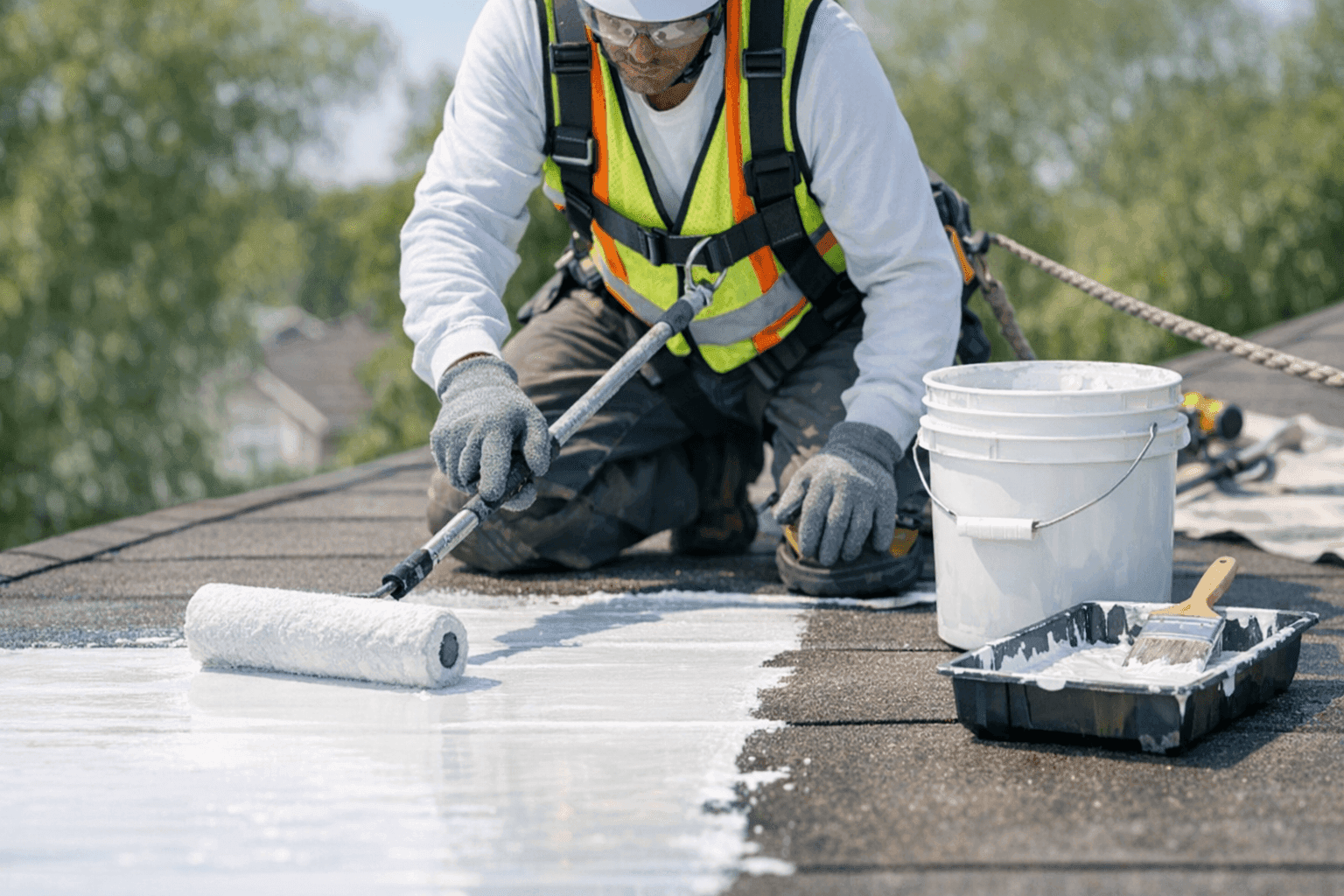
Imagine walking barefoot on black asphalt versus white sand. Your roof feels the same difference. Cool roofs use light-colored or specially coated materials to reflect more sunlight and absorb less heat.
Benefits:
- Up to 50°F cooler surface temperature
- Lower indoor temps (especially under flat roofs)
- Reduced “urban heat island” effect in cities
Reflective coatings are a cost-effective upgrade for many roof types. Even older roofs can get a boost with these modern, energy-saving layers.
Pro Tip: Not sure if this suits your building? Ask about our Eco-Friendly Options for tailored solutions.
Insulation and Ventilation Upgrades
Even the best roof needs a strong supporting cast. Insulation is like a blanket—thick enough to keep you cozy, but not so heavy it suffocates the house. Poor insulation means cooled or heated air escapes, making your systems work overtime.
Essential upgrades:
- Add or replace attic insulation to meet local building codes (check with the International Energy Conservation Code for guidelines)
- Install or update roof vents to let trapped heat escape
- Consider ridge, soffit, or gable vents for balanced airflow
Inadequate ventilation can also cause moisture problems, mold, and even structural damage. This is why our Ventilation & Insulation services are a smart step for any building.
Choosing the Right Roofing Materials
Not all roofing is created equal. Material choice impacts both energy performance and longevity.
Popular Energy-Efficient Materials
- Metal Roofing: Highly reflective, durable, recyclable, and suitable for both homes and commercial buildings.
- Tile Roofing near you: Clay or concrete tiles offer natural airflow under the surface, keeping spaces cooler.
- Shingle Roofing: Cool asphalt shingles with granules that reflect sunlight can qualify for ENERGY STAR® ratings.
- Single-Ply Membranes: Common on flat roofs, these can be “cool roof” rated with high reflectivity.
Tip: Lighter colors generally reflect more heat. But with today’s finishes, even darker materials can be engineered for efficiency.
Preventative Maintenance: Small Steps, Big Savings
Energy efficiency isn’t a set-it-and-forget-it deal. Simple maintenance goes a long way:
- Clean gutters and downspouts so water flows freely
- Check for missing shingles or cracked tiles
- Inspect flashing, especially around chimneys and skylights
- Reseal roof penetrations and joints with modern, UV-resistant sealants
A yearly inspection catches small problems before they drain your wallet. The National Roofing Contractors Association recommends twice-yearly checks—spring and fall are ideal.
Roof Replacement: When an Upgrade Makes Sense
Sometimes, a patch won’t do. An aging or damaged roof can’t keep up with today’s energy demands. Upgrading to a modern, energy-efficient roof isn’t just about fixing leaks—it’s about future-proofing your property.
Signs you might need a replacement:
- Persistent leaks or water stains inside
- Curling, missing, or cracked shingles/tiles
- Sagging spots or visible daylight in the attic
- Climbing utility bills with no other explanation
Explore your options for a full Roof Replacement to see real comfort and efficiency gains.
Skylights, Flashing, and Insulation Details
Skylights are beautiful, but old or poorly installed units can bleed energy. Modern skylights use insulated glass and tight seals to keep your comfort in and weather out.
Don’t overlook the flashing—those thin pieces of metal that direct water away from chimneys, vents, and skylights. Properly installed and maintained flashing reduces leaks and stops drafts.
Emergency Repairs and Storm Damage
Nature never calls ahead. Hail, wind, or fallen limbs can turn even a well-maintained roof into an energy sieve overnight.
What to do first:
- Inspect for visible damage from the ground (don’t climb up yourself if it’s unsafe)
- Cover affected areas with a tarp to prevent further water intrusion
- Call a professional for a thorough inspection and immediate repairs
Prompt action keeps energy loss (and repair bills) from spiraling out of control.
Gutter and Downspout Efficiency
Water management isn’t just about avoiding leaks—it’s about protecting your insulation and roof deck. Clogged gutters or broken downspouts can lead to water infiltration, which destroys insulation and invites mold.
Regular Eco-Friendly Options and repair keep your whole system—roof included—running at peak efficiency.
Decking, Underlayment, and the Layers That Count
Think of your roof as a club sandwich. The surface is just the top slice. Below, sturdy decking and water-resistant underlayment add extra protection and insulation.
Modern synthetic underlayments outperform old asphalt felt, providing added moisture control and durability, which means fewer energy losses from leaks or drafts.
Eco-Friendly Options: Sustainability Meets Savings
Low bills and high comfort don’t have to cost the earth. Eco-friendly roofing options—like recycled-content shingles, solar-reflective metal, or sustainable tiles—offer long-term savings and a lighter environmental footprint.
Many products qualify for tax credits or rebates (check with the ENERGY STAR® program or your local municipality for details).
Cost, ROI, and Timeline: What to Expect
Energy-efficient roofing is an investment, not just an expense. Here’s what to consider:
- Upfront costs: Materials and labor may be higher for premium products, but often pay off in lower utility bills.
- ROI: According to ENERGY STAR®, cool roofs can pay for themselves in 5–7 years through energy savings alone.
- Disruption: Most upgrades can be completed in days, not weeks. Our team works with your schedule.
- Peace of mind: Lower bills, greater comfort, and increased property value.
Safety First: What to Know Before You DIY
Roof work is risky. Always follow OSHA guidelines for ladder safety and fall protection. When in doubt, call a qualified professional. We’re trained to spot hazards you might overlook.
Signs of Trouble: When to Call for Help
- Sudden spikes in energy bills
- Unexplained drafts or hot spots inside
- Water stains on ceilings or around skylights
- Visible roof damage after storms
Address issues early for the best results.
Maintenance Schedule: Keeping Efficiency High Year-Round
- Inspect your roof every spring and fall
- Clean gutters after heavy storms or leaf season
- Check attic insulation and ventilation yearly
- Schedule professional inspections for peace of mind
Frequently Asked Questions
Will a cool roof work in cold climates?
Yes—by keeping snow from melting and refreezing, they also help prevent ice dams.
How long do reflective coatings last?
Most last 10–15 years with proper maintenance.
Is metal roofing loud in the rain?
With strong insulation, metal roofs are no noisier than other types.
Real Savings, Real Comfort
Energy-efficient roofing is within reach. It’s a practical choice for homeowners, businesses, and anyone looking to lower bills and boost comfort. If you’re searching for trusted roofing services or want to learn more about options in your area, check out our roofing contractor services in Columbia.
Call KRB Contractors Roofing now — or reach us anytime at 855-528-1936 .