Roofing for the DIY Landlord: Simple Maintenance and Quick Repairs
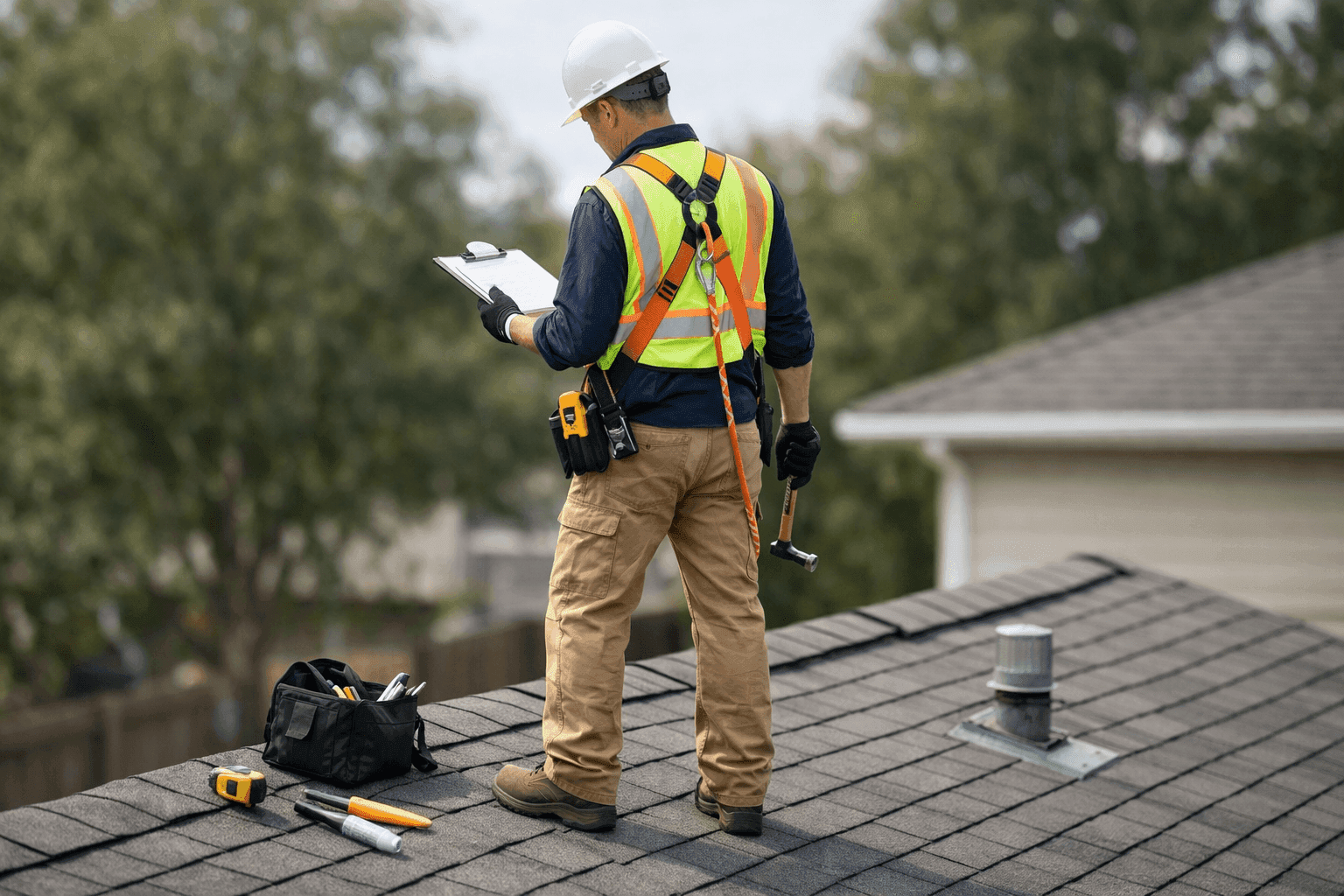
Being a landlord means wearing a lot of hats. You’re part caretaker, part accountant, part repairperson. But when it comes to roofing, one small leak can become a tidal wave of problems—fast.
Whether you own one home or a dozen, understanding basic roof care saves money and headaches. KRB Contractors Roofing is here to help you stay ahead of costly repairs and keep tenants safe.
Why Landlord Roof Care Matters 🏠
Think of your roof as your property’s umbrella. If it’s got holes, everything underneath gets soaked. For landlords, a neglected roof can mean:
- Higher repair bills (the longer you wait, the worse it gets)
- Tenant complaints or rent withheld (no one likes a leaky ceiling)
- Code violations and insurance issues
- Loss of rental value during repairs
According to the International Building Code (IBC) and local rental regulations, landlords must keep roofs in good, habitable condition. Staying proactive isn’t just smart—it’s required.
Simple Inspection Steps for Landlords
You don’t need to be a roofing contractor to spot trouble. Grab a flashlight, a sturdy ladder, and a notepad. Twice a year (spring and fall), walk through these steps:
- Look for missing, cracked, or curling shingles (for shingle or tile roofing near you).
- Check for debris or moss buildup, especially on flat roofs.
- Inspect flashing and chimney areas for gaps or rust.
- Peek inside the attic for water stains or mold.
- Test gutters and downspouts—make sure water flows away from the foundation.
A careful eye now prevents a costly surprise later.
Quick Safety Checklist
Before you climb up, remember: safety first. Roof accidents are serious.
- Never inspect alone; always have someone nearby.
- Wear shoes with rubber soles for grip.
- Avoid wet, icy, or windy days.
- Use a sturdy, properly placed ladder.
- Don’t walk on steep or fragile roofs—use binoculars from the ground instead.
If you feel unsure, step back. There’s no shame in calling in pros for an Inspections.
Easy Repairs Most Landlords Can Tackle
Some fixes are well within reach for a handy landlord:
- Replace a few missing shingles: Use roofing cement and matching shingles.
- Seal small leaks: Apply roof sealant to minor cracks (around vents or flashing).
- Clean gutters: Scoop out debris twice a year to prevent overflow.
- Tighten loose gutters or downspouts: Secure with screws and brackets.
But if you find widespread damage, sagging, or mold—pause. This is where DIY stops and professional help starts.
Preventative Maintenance: Your Roof’s Best Friend 🛠️
An ounce of prevention is worth a pound of buckets under leaks. Here’s how to keep your roof in top shape:
- Schedule regular cleanings. Remove leaves, branches, and moss.
- Trim overhanging trees. Falling limbs are a roof’s enemy.
- Inspect after storms. High winds and hail can shift shingles or loosen flashing.
- Check attic ventilation. Good airflow prevents rot and ice dams.
- Apply sealants or coatings as needed.
A small investment in preventative maintenance pays itself back many times over.
Signs of Roof Trouble You Can’t Ignore
Some signals demand fast action:
- Water stains on ceilings or walls
- Sagging rooflines or bubbling paint
- Shingles or tiles on the ground after a storm
- Persistent musty smells in the attic
- Dripping sounds—even if you can’t see the leak
Spot any of these? It’s time to act before minor problems become major disasters.
DIY or Call a Pro? Knowing Your Limits
Changing a shingle or cleaning a gutter is one thing. But some repairs require specialized tools, materials, and know-how—especially for commercial roofing, flat roofs, or complicated leak repairs.
Call a roofing contractor if you notice:
- Structural damage (sagging or bowing)
- Recurring leaks despite patching
- Rotten decking or insulation
- Skylight or chimney flashing issues
- Storm damage with insurance claims
Professional roofers bring safety gear, expertise, and can often spot hidden problems you might miss.
What Pros Do On Arrival
When you call KRB Contractors Roofing for help, here’s what to expect:
- A thorough visual inspection (inside and out)
- Moisture readings and leak tracing
- Photo documentation for records or insurance
- Clear repair recommendations—no surprise costs
We respect your tenants’ schedules, minimize disruptions, and keep you informed every step.
Legal Compliance: Rental Roofs and the Law
Landlords are legally responsible for providing a safe, habitable home. Local codes often require roofs to be free of leaks, structurally sound, and properly insulated. Insurance may not cover damage from neglect.
For guidance, check local housing codes or consult resources like the National Roofing Contractors Association (NRCA) and your city’s building department.
Cost-Effective Tips to Stretch Your Budget
Roof repairs don’t have to drain your wallet. Try these simple strategies:
- Bundle repairs with other maintenance (gutter cleaning, skylight checks)
- Invest in quality materials for long-term savings
- Fix small issues fast—delays make costs snowball
- Document everything for tax and insurance
And always keep an emergency fund for unexpected repairs.
Seasonal Roofing Reminders
Every season brings unique challenges:
- Spring: Inspect for winter damage, clear gutters.
- Summer: Check for sun damage and cracked sealants.
- Fall: Remove leaves, trim trees, inspect before snow.
- Winter: Watch for ice dams and clear heavy snow (hire a pro for this!).
A calendar reminder helps you stay on top of it all.
Common Mistakes DIY Landlords Make 😬
- Ignoring small leaks until they become big ones
- Using mismatched or low-grade roofing materials
- Overlooking attic insulation or ventilation
- Skipping regular inspections
- Attempting risky repairs without proper safety
Learn from others’ mistakes—your future self (and your tenants) will thank you.
When It’s an Emergency
Some roof issues can’t wait:
- Major leaks during a storm
- Structural collapse or severe sagging
- Widespread shingle loss after high winds
In these cases, call for emergency roofing services right away. Prevent further damage, protect your property, and keep everyone safe.
FAQ: Landlord Roofing Questions
How often should I inspect my rental’s roof?
Twice a year—spring and fall. After major storms, too.
Can I do my own repairs?
Minor fixes are fine if you’re handy and safe. For anything major, or if you’re unsure, call a pro.
What about flat roofs or metal roofing?
These require special materials and techniques. DIY is riskier here.
Are there eco-friendly options?
Yes, modern coatings and reflective materials can improve efficiency and last longer.
Where can I find trusted roofing services?
For roofing services that landlords trust, KRB Contractors Roofing is ready to help.
Materials & Tools: What Every Landlord Should Have
Keep these basics on hand:
- Heavy-duty ladder
- Work gloves and non-slip shoes
- Roofing cement and caulk gun
- Replacement shingles or tiles (match your roof)
- Gutter scoop and hose
- Binoculars for ground inspection
- Notebook and camera for documentation
Preparedness makes every inspection easier and safer.
Timeline & Disruption: What to Expect
Most minor repairs or inspections take just a few hours. Larger jobs—like roof replacement—may require several days. Always notify tenants in advance and coordinate schedules to limit inconvenience.
The Bottom Line: Manage Your Rental Roofs the Smart Way
Roofing issues don’t have to keep you up at night. With regular attention, a few simple tools, and a professional partner like KRB Contractors Roofing, your rental properties will be safe, dry, and protected—year-round.
Call KRB Contractors Roofing now — or reach us anytime at 855-528-1936 .