Roofing Cost Guide: What Impacts Price and How to Budget
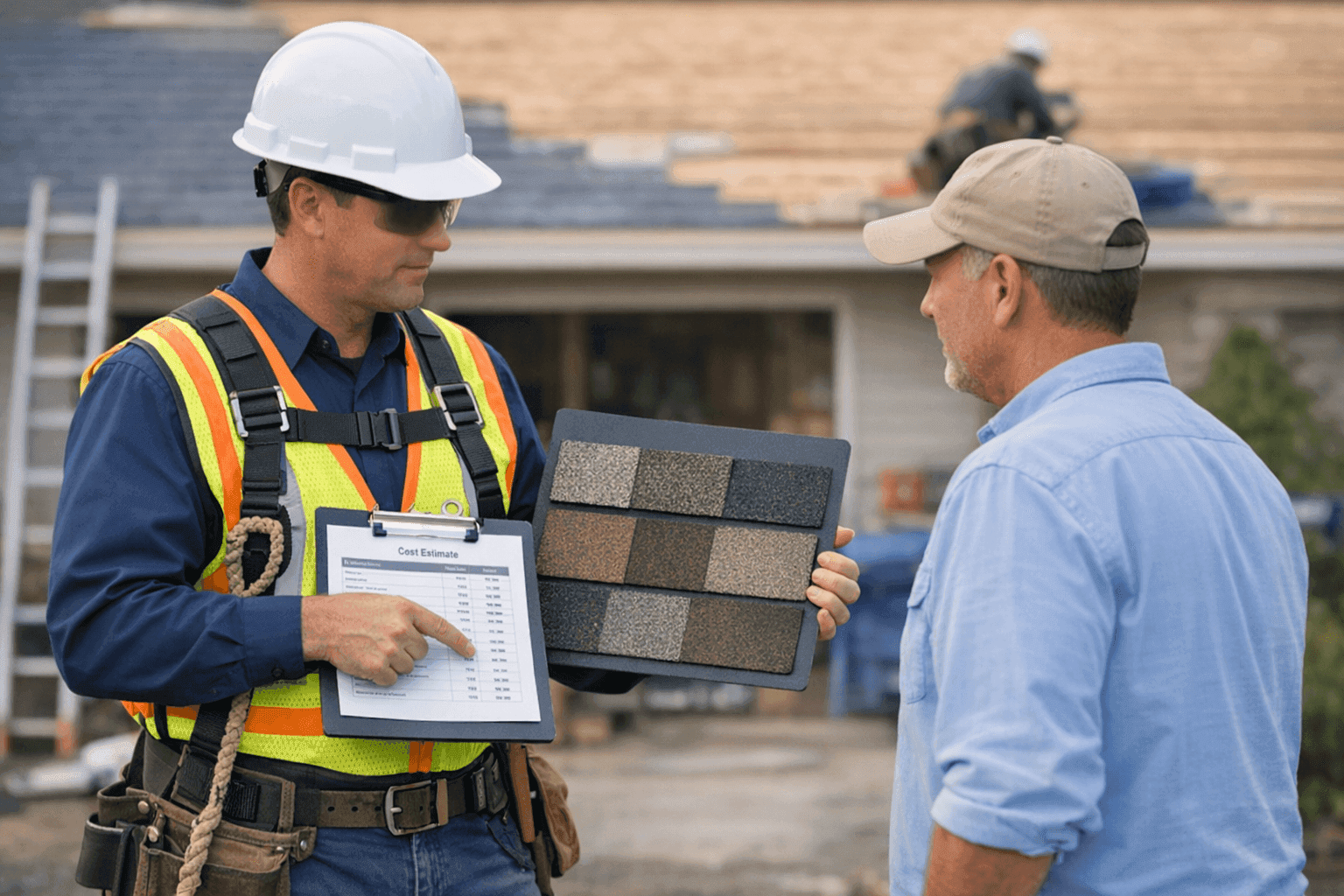
Replacing or repairing a roof can feel like standing at the foot of a mountain. You know you have to climb, but the path and the cost aren’t always clear. At KRB Contractors Roofing, we know the stress that comes with budgeting for big home improvements. We're here to make the process more transparent—so you feel in control, not overwhelmed.
If you’re wondering how much a new roof costs, or which repairs pack the most punch for your dollar, this guide has you covered. We’ll break down the real-world factors that impact roofing prices, so you can plan with confidence and avoid expensive surprises.
Roofing Cost Factors 🏠
What really goes into the price of a roofing project? It’s more than just shingles and nails. Think of your roof as a layered sandwich—each slice (material, labor, shape, size) adds up.
Here’s what influences your roofing costs the most:
- Material Type: Asphalt shingles, tile, metal, and flat roofing all have different price tags and lifespans.
- Roof Size & Complexity: Larger or complex roofs (think steep slopes, lots of valleys, or unique shapes) require more materials and time.
- Project Scope: Is it a minor leak repair or a full roof-replacement? The difference can be thousands.
- Labor Rates: Skilled, safe installation matters—and labor costs vary by experience and project difficulty.
- Underlying Damage: Sometimes, what’s beneath the shingles (like rotten decking or damaged insulation) needs attention too.
- Location & Code Requirements: Local building codes, weather patterns, and permit fees can all influence the final bill.
The National Roofing Contractors Association and the International Code Council offer solid guidance on what to expect for compliance and safe installation.
Repair vs. Replacement Costs
Not all roofing projects are created equal. Sometimes a quick fix is all you need. Other times, repairs are just a bandage, and replacement is the smarter long-term move.
- Roof Repairs: Fixing a few cracked tiles, patching a minor leak, or replacing damaged flashing can range from $400 to $2,000, depending on the extent.
- Roof Replacement: Full replacements start around $7,000 and can reach $25,000 or more for high-end materials or complex roofs.
- Emergency Services: Urgent storm damage or leaks outside of business hours may add a premium for rapid response.
A thorough inspection helps determine which path is right for you. Ignoring problems can mean higher costs down the road.
Material Price Comparison
Selecting roofing material is like choosing tires for your car. Some options are budget-friendly, others are built for the long haul.
- Asphalt Shingles: Popular and affordable—typically $4–$7 per square foot installed.
- Tile Roofing: Elegant and durable, but pricier—$8–$15 per square foot. Search for "Tile Roofing near you" to see local styles.
- Metal Roofing: Modern, energy-efficient, and long-lasting. Expect $10–$20 per square foot for installation.
- Flat Roofs: Often used on commercial buildings. Prices vary with membrane type—$8–$14 per square foot is common.
- Eco-Friendly Options: Green roofs or recycled materials cost more up front but can save on utilities and support sustainability.
Factors like color, brand, and warranty will also affect pricing. Never choose based on cost alone; think about longevity and maintenance, too.
Labor and Project Size 🛠️
Labor is a huge part of roofing costs—sometimes half the total bill. Here’s why:
- Roof Shape: Steeper slopes or roofs with lots of features (chimneys, skylights) require extra safety gear and time.
- Access: Tight spaces or tall buildings add setup time and complexity.
- Crew Size: Bigger jobs or tight deadlines mean more hands on deck.
A small, simple roof might take two days. A large, complicated project could stretch over a week—especially if weather slows things down.
Budgeting Tips That Actually Work
A new roof is a major investment, but it doesn’t have to drain your savings. Use these strategies to budget wisely:
- Get a Detailed Estimate: Ask for written quotes that spell out materials, labor, and contingencies. This prevents last-minute surprises.
- Plan for the Unexpected: Set aside 10–15% extra for hidden issues, like rotten decking or surprise code upgrades.
- Prioritize Needs vs. Wants: Focus on critical repairs first. Upgrades like skylights or designer shingles can wait if needed.
- Check Insurance Coverage: If storm damage is involved, review your policy—you may be covered for some repairs.
- Schedule During Off-Peak Seasons: If possible, book your project in late fall or early spring for potential savings and faster scheduling.
When Is Roof Repair Enough?
Sometimes, a targeted roof repair is all you need. Signs you can opt for repair:
- Isolated leaks or missing shingles
- Minor storm damage in a small area
- Recent roof (less than 10–15 years old) with no widespread issues
Learn more about our roof-repair services for quick fixes that last.
When It’s Time for Roof Replacement
Replacement is the right move when:
- The roof is over 20 years old and showing its age
- Multiple leaks keep coming back
- Shingles or tiles are curling, missing, or deteriorating across large sections
- You want to boost your property’s value and curb appeal
New roofs also offer energy savings and can cut future repair costs. Explore our new-roof-installation options for a seamless upgrade.
Roof Size, Shape, and Complexity
Don’t overlook the “hidden” costs tied to your home’s design:
- Complex rooflines need more labor and special materials
- Features like skylights, chimneys, or solar panels require skilled handling
- Multiple stories or steep pitches increase setup time and safety measures
The more intricate your roof, the higher the labor and equipment costs.
Safety Considerations and Code Compliance 🧑🔧
Roofing isn’t just about looks—it’s about safety. Reliable contractors follow Occupational Safety and Health Administration (OSHA) guidelines and local building codes.
- Always confirm your contractor is licensed and insured
- Permits may be required for major repairs or replacements
- Inspections protect you from future liability and ensure work meets standards
Cutting corners on safety or code can cost much more in the long run.
Season and Weather: Timing Matters
Rushing a project during rainy or freezing weather can lead to delays—and even compromise workmanship. Plan your roof work for mild, dry weather when possible. This helps crews work efficiently and keeps your project on schedule.
Preventative Maintenance: Save Later by Spending a Little Now
Annual inspections and routine maintenance (like gutter cleaning, resealing flashing, or replacing worn-out shingles) can extend your roof’s life by years. It’s like changing the oil in your car—a little now prevents big expenses later.
Common Mistakes That Cost More
Avoid these pitfalls to keep your roofing budget on track:
- Skipping the inspection phase
- Choosing materials based on price alone
- Overlooking ventilation or insulation
- Ignoring small leaks or warning signs
Regular check-ups and prompt repairs save money and stress.
Signs It’s Time to Call a Roofing Company
Don’t wait for water stains on your ceiling or missing shingles after a storm. Call in the pros if you notice:
- Sagging, uneven rooflines
- Granules in gutters (from worn shingles)
- Visible daylight in the attic
- Persistent leaks after rain
If you’re searching for a reliable roofing company, KRB Contractors Roofing is ready to help with honest assessments and clear estimates.
How Long Will My Roofing Project Take?
Most repairs wrap up in a day or two. Full replacements usually take three to seven days, depending on size, weather, and complexity. Your contractor should keep you informed every step of the way.
What to Ask Before Hiring a Roofing Contractor
Before signing any contract, ask:
- What’s included in the estimate?
- Are materials and labor both itemized?
- How will unexpected issues or damage be handled?
- Are warranties offered on materials and workmanship?
- What’s the cleanup process after the job?
Clear answers now mean fewer headaches later.
Final Thoughts: Plan, Budget, and Rest Easy
A new roof or major repair is a big decision. But with the right information and a clear plan, you can budget confidently and avoid sticker shock. Remember, investing in quality roofing protects your property, boosts value, and brings peace of mind for years to come.
Call KRB Contractors Roofing now — or reach us anytime at 855-528-1936 .