Roofing and Solar: What Property Owners Need to Know
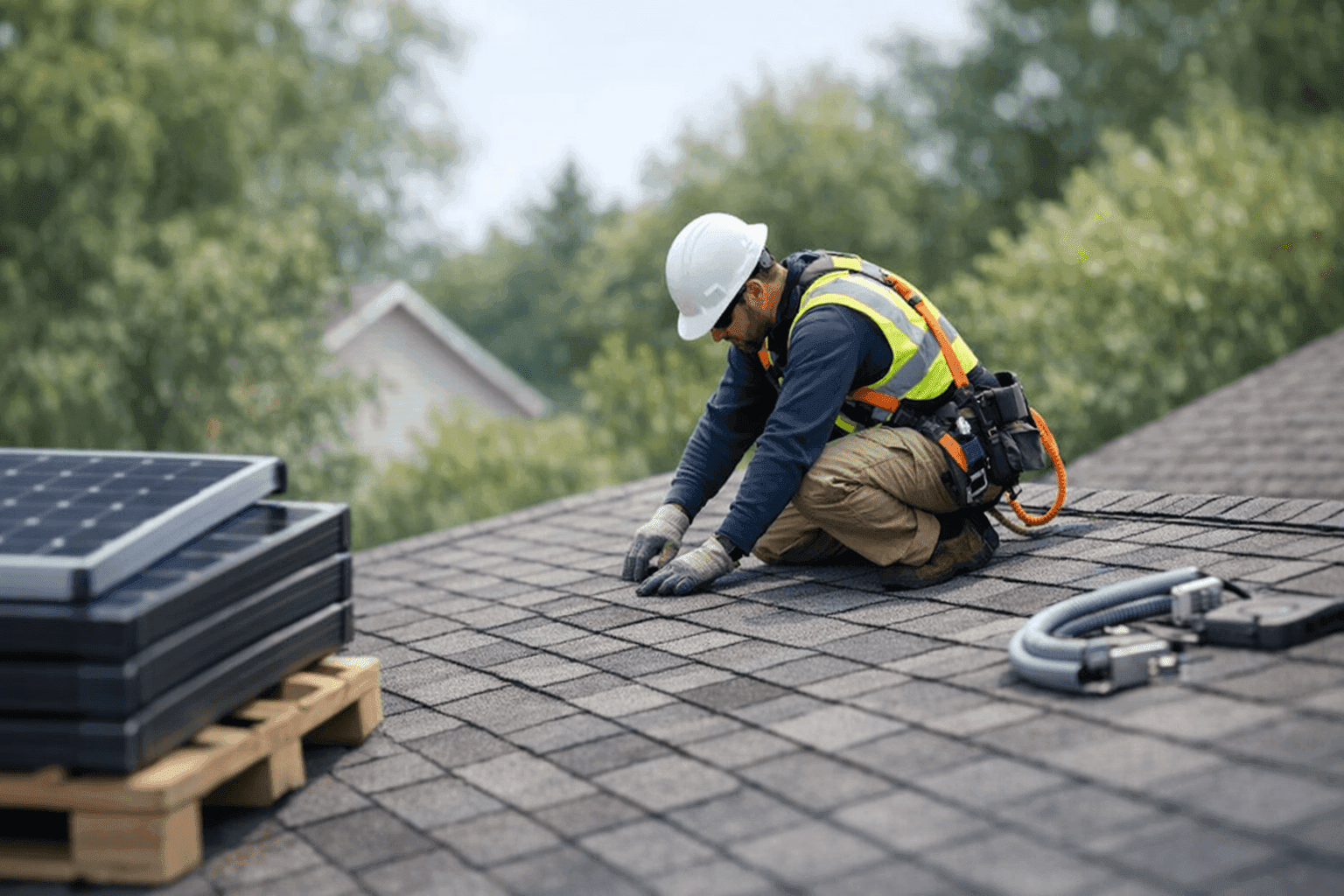
Is your roof ready to soak up the sun? Solar energy is a smart investment for homes and businesses. But before you jump in, your roof needs to be as prepared as your wallet. Mismatched systems lead to headaches, leaks, and wasted money.
At KRB Contractors Roofing, we see it every week: property owners eager for solar, but unsure if their roof is up to the challenge. With decades of hands-on experience and a deep toolkit of solutions—from Eco-Friendly Options to urgent Roof Repair—we help you merge solar and roofing the right way.
Solar-Ready Roofing Types ☀️
Not every roof is a good fit for solar panels. Some, like tile and metal, play nicely with solar mounting hardware. Others, like aging shingles, can crack under pressure—literally.
Best roofing types for solar installation:
- Metal Roofing: Durable, long-lasting, and easy to mount panels on.
- Tile Roofing: Works well if tiles are in good shape and not brittle.
- Flat Roofs: Ideal for commercial properties; offers flexibility in panel orientation.
- Shingle Roofing: Acceptable if recently installed and in solid condition.
When searching for “Tile Roofing near you,” check that your roofing contractor knows how to coordinate with solar installers. The right team will help avoid water intrusion and structural issues down the road.
Roof Strength and Load: Can Your Roof Take the Weight?
Think of solar panels as a new guest at your house party. Is your roof strong enough to host them? Most solar systems add 2–6 pounds per square foot. That’s not much—unless your roof is already sagging or weakened by age, leaks, or previous repairs.
What to consider:
- Structural integrity: Have a licensed roofing contractor inspect rafters, decking, and underlayment.
- Building codes: Check local regulations and International Building Code (IBC) standards for roof load requirements.
- Roof age: Panels last 25+ years. If your roof is nearing end-of-life, replace it first.
- Material compatibility: Some materials, like old slate or wood shake, may need reinforcement.
Safety tip: Never let solar installers drill without a full roof assessment. Small holes can turn into big leaks if flashing and sealants aren’t up to the task.
Installation Best Practices for Solar and Roofing
Great installations are like well-choreographed dances. Everyone knows their part.
How pros do it:
- Pre-installation inspection: Start with a detailed roof check. No shortcuts.
- Flashing and waterproofing: Use high-quality flashing at every penetration to prevent leaks.
- Panel placement: Avoid edges and valleys where water naturally collects.
- Coordination: Roofing and solar teams should communicate—ideally through one project manager.
- Documentation: Keep photos and paperwork for warranty and insurance.
DIY might save a buck today, but mistakes often mean higher costs tomorrow. Professional installation meets safety codes and extends your investment’s lifespan.
Maintenance for Solar Roofs: Simple Steps, Big Savings 🧰
Solar roofs need care, just like any other roof. The good news? Most maintenance is quick and straightforward.
Regular maintenance checklist:
- Inspect for loose panels after major storms.
- Clear leaves and debris from around mounting hardware.
- Check for cracked or missing sealant.
- Clean gutters and downspouts to prevent water backup.
- Schedule annual roof and panel inspections.
Pro tip: Pair annual Roof Repair checks with your solar panel maintenance. One visit can handle both.
Common Issues: What to Watch For
Even with the best planning, stuff happens. Knowing what to look for can save time, money, and stress.
Red flags to watch:
- Leaks: Water stains or dripping indoors, especially near panel mounts.
- Sagging or bowing: Structural issues from extra weight or hidden water damage.
- Loose panels: Wind or improper installation can shift hardware.
- Damaged flashing: Exposed nails or cracked metal at panel bases.
- Animal nests: Birds and critters love the shade under panels—inspect regularly.
If you spot any of these, call a roofing company quickly. Delaying repairs risks escalating damage and higher repair bills.
Quick Safety Checklist: Before, During, and After
Safety starts before the first ladder goes up.
Before installation:
- Confirm proper fall protection for workers.
- Ensure electrical work follows National Electrical Code (NEC) standards.
During installation:
- Keep pets and kids away from the work zone.
- Watch for falling tools or materials.
After installation:
- Ask for a walkthrough on shut-off procedures.
- Store warranty and emergency contacts in an easy-to-find spot.
DIY or Call a Pro? Know When to Step Back
Some tasks—like clearing leaves—are fine for a Saturday afternoon. But anything involving electrical connections, roofing penetrations, or structural repairs? That's pro territory.
Remember: Getting on your roof is risky. If you’re unsure, call in a roofing contractor to avoid accidents.
What Pros Do on Arrival
Expect a thorough inspection first. The team will check:
- Shingle condition, flashing, and underlayment
- Structural supports and attic ventilation
- Drainage paths and gutter function
- Compatibility with solar mounting hardware
You'll get a written report and a clear list of next steps. Good pros never make you guess.
Prevention & Maintenance: Plan Ahead
A little planning pays off in the long run. Here’s how to keep solar and roofing working together:
- Schedule roof inspections before and after solar installation.
- Use only compatible mounting hardware and sealants.
- Clean gutters and downspouts regularly.
- Monitor attic ventilation for moisture buildup.
- Replace old or damaged roofing before adding panels.
The National Roofing Contractors Association (NRCA) recommends annual roof inspections—solar or not.
Costs & Time Factors: What to Expect
Budget and timeline matter. Most solar-ready roof upgrades take 1–3 days, depending on size and complexity. Costs depend on:
- Roof material and condition
- Required structural upgrades
- Complexity of solar system
Investing in a new roof at the same time as solar installation can save on labor costs and minimize disruption.
When It’s an Emergency
Roof leaks or storm damage under solar panels? That’s urgent. Water can travel along mounting hardware and cause major interior damage. Don’t wait—contact a roofing specialist immediately.
For true emergencies, like severe leaks, falling panels, or exposed wires, call your local fire department or building inspector.
FAQ: Roofing & Solar Edition
Q: Should I replace my roof before going solar? A: If your roof has less than 10 years of life left, yes—it’s best to replace first.
Q: Will solar panels make my roof last longer? A: Sometimes. Panels can shield roofing from sun and hail, but only if installed on a sound surface.
Q: Who handles repairs if there’s a leak? A: Usually, the roofing contractor. Always clarify responsibilities before you sign any contracts.
Seasonal Considerations: Heat, Wind, and Snow
Every season brings its own challenges. In snowy climates, panel racking must withstand heavy loads. In hurricane-prone areas, wind uplift resistance is crucial.
Follow local building codes and manufacturer guidelines for seasonal prep.
Common Mistakes: What Not to Do
- Skipping the roof inspection before solar install
- Mounting panels on aging or damaged roofs
- Ignoring flashing and weatherproofing details
- Failing to clean gutters and downspouts
- Overlooking attic ventilation
Avoid these, and you’ll enjoy a worry-free solar experience.
Signs of Trouble: When to Take Action 🚨
Don’t ignore:
- Water spots inside after rain
- New drafts or insulation issues
- Sounds of animals under panels
- Unexpected spikes in energy bills
Early action means smaller repairs and longer roof life.
Timeline & Disruption: What to Expect
Most residential projects wrap up in a few days. Commercial jobs may take longer, especially for flat roofs or large solar arrays. Plan for some noise and temporary access restrictions.
Clear communication with your contractor minimizes surprises.
Materials & Equipment: Built to Last
Quality matters. Use weather-resistant mounting hardware, premium flashing, and compatible sealants. Ask your contractor about warranties and expected lifespan for each component.
Ready to Combine Roofing and Solar?
Bringing solar and roofing together is a smart move for both your wallet and the planet. With careful planning, solid materials, and the right team, your property can enjoy decades of clean power and strong protection.
Call KRB Contractors Roofing now — or reach us anytime at 855-528-1936 .