Roofing for Accessibility: Safe Solutions for All Abilities
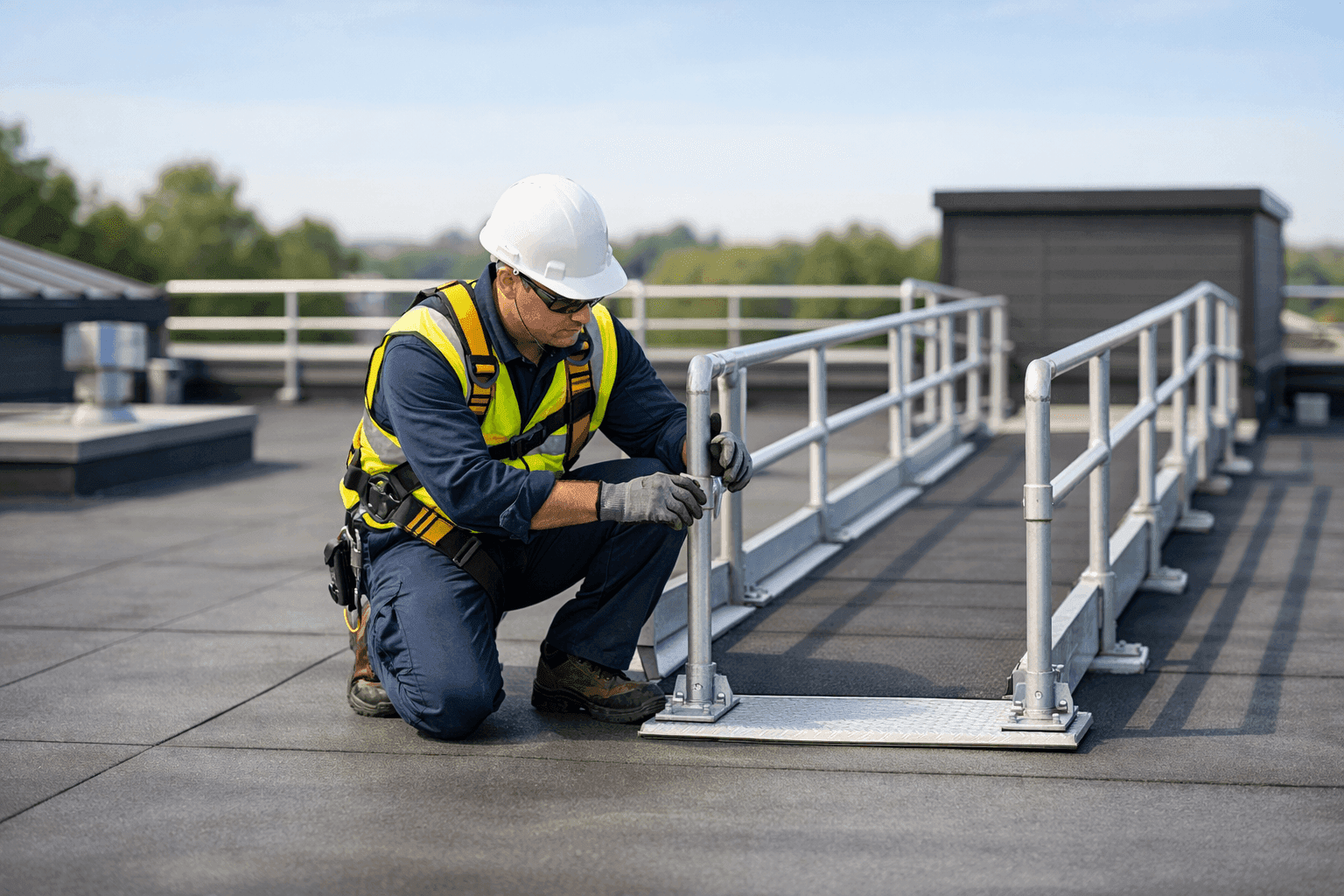
When you picture a roof, you might see shingles and gutters—but for many, a roof is also a path, a view, or vital access to fresh air and sunlight. Roofing should work for everyone, not just those who find ladders and steps easy. That’s why accessibility matters, especially in modern residential and commercial projects.
At KRB Contractors Roofing, we believe every roof can welcome all. Whether you’re designing for a family member with mobility needs, updating for safety, or ensuring compliance with today’s codes, we’re here to help you build roofs for every ability.
Why Accessibility Matters
Accessibility isn’t just a buzzword. It’s the difference between independence and isolation. For homeowners, it means everyone can safely enjoy their living space—including rooftop decks and patios. For businesses, accessible roofing ensures customers and employees are protected and included.
The Americans with Disabilities Act (ADA) sets clear expectations for accessible design in public and commercial spaces. Roofs are often overlooked in these requirements. But accessible roofing features are becoming a must-have, not a nice-to-have. A well-designed accessible roof can add value, safety, and peace of mind.
Quick Safety Checklist for Accessible Roofing 🛑
Ensuring your roof is safe and accessible starts with a walk-through. Here’s a quick checklist:
- Are there secure, slip-resistant pathways?
- Is there adequate lighting for all times of day?
- Are handrails or guardrails present where there are changes in elevation?
- Are access points—like doors, stairs, or ramps—wide enough for mobility aids?
- Are skylights or roof hatches easy to operate for those with limited strength?
If you answer “no” to any of these, it’s time to consider an upgrade.
Accessible Roof Features
Not all roofs are created equal. Accessibility upgrades can be woven into new construction or retrofitted on existing structures. Some key features include:
- Ramps with gentle slopes (no steeper than 1:12, per ADA guidelines)
- Non-slip tile roofing near you, especially for walkable decks
- Contrasting edge markings for steps and changes in level
- Wide, lever-handled doors or hatches
- Guardrails and handrails that are sturdy, graspable, and continuous
- Automated skylight openers for easy ventilation
These features don’t just help those with visible disabilities. Parents with strollers, workers carrying tools, or anyone facing temporary injury will benefit too.
Maintenance for All Abilities
Regular maintenance keeps any roof strong. But for accessible roofs, it’s essential. Slippery algae, loose handrails, or blocked access points can spell danger.
- Schedule seasonal Inspections to catch small issues before they become big problems.
- Clean gutters and downspouts to prevent overflow and slip hazards.
- Check that all mobility features—like ramps—are clear of debris and in good repair.
- Replace worn or peeling surface coatings regularly for traction.
A well-maintained roof is a safe roof, for everyone.
Safety Upgrades that Make a Difference
Upgrading for accessibility doesn’t have to mean a total overhaul. Sometimes, small changes make the biggest impact:
- Add high-visibility tape to edges and steps
- Install motion-activated lighting at roof access points
- Upgrade guardrails to meet current safety codes
- Apply anti-slip sealants to walkable surfaces
- Ensure emergency escape routes are usable for all abilities
For larger changes, such as installing a new accessible deck, New Construction services can integrate universal design from the start.
Legal Considerations: Building Codes and Accessibility
Accessibility isn’t just a good idea. It’s often required by law. The International Building Code (IBC) and ADA Accessibility Guidelines (ADAAG) outline minimum standards for accessible design. That includes:
- Door widths
- Ramp slopes
- Guardrail heights
- Slip resistance
For commercial properties, failing to meet these standards can lead to complaints, fines, or even lawsuits. For homeowners, it means peace of mind—and future-proofing your investment.
Always check with your local building department for area-specific requirements before starting any roofing project.
The Role of Inspections in Accessible Roofing
Regular roof inspections do more than spot leaks. They ensure all accessibility features are intact and functioning. Inspections can identify:
- Worn or loose handrails
- Blocked ramps or pathways
- Failing non-slip surfaces
- Damage after storms or heavy use
Think of inspections as a health check for your roof’s accessibility.
DIY vs. Hiring a Roofing Contractor
Some small upgrades—like anti-slip mats or new lighting—can be tackled by handy homeowners. But most accessibility work, especially anything affecting structure or code compliance, is best left to professionals.
A licensed roofing contractor understands both the technical and legal sides of accessibility. They’ll know which materials, fasteners, and designs are safe, and which shortcuts can lead to trouble down the road.
What to Expect When Pros Arrive
When you call in a contractor for an accessibility upgrade or roof repair, here’s what typically happens:
- Assessment: A walkthrough to understand your needs and check for code issues.
- Recommendations: Practical solutions based on your budget and timeline.
- Quote: Clear, step-by-step pricing—no surprises.
- Execution: Careful work, with an eye for safety and durability.
- Final check: Testing all features for usability and safety.
Communication is key. Don’t be shy about sharing your specific needs or asking questions.
Prevention & Maintenance: Keeping it Simple
Routine care is your best defense. Here are three steps to keep accessible roofs safe year-round:
- Clean up debris after storms or wind.
- Touch up paint and coatings on ramps, rails, and walkways.
- Test lighting and alarms monthly.
Simple steps, big impact.
Common Mistakes to Avoid
Even well-intentioned upgrades can miss the mark. Watch out for:
- Ramps that are too steep
- Rails that wobble or end abruptly
- Slippery or uneven surfaces
- Narrow doorways or hatches
- Ignoring local code requirements
When in doubt, check the ADA and IBC guidelines or consult a professional.
Timeline & Disruption: What to Expect
Worried about disruption? Most accessibility upgrades take anywhere from a day to a week, depending on scope. Simple add-ons like railings or anti-slip coatings can be done quickly. Bigger projects—like new decks or major repairs—may require more time, especially if weather is a factor.
Communication with your contractor helps keep surprises to a minimum.
Costs & Time Factors
Budget varies widely based on your needs. Materials, roof type, and the complexity of upgrades all play a role. For instance:
- Anti-slip coatings: Relatively affordable, quick to apply.
- Ramp installation: More involved, especially if structural changes are needed.
- Handrails and guardrails: Mid-range, vital for safety.
Always ask for a detailed estimate—and remember, investing in accessibility is investing in everyone’s safety.
When It’s an Emergency
Storm damage, sudden leaks, or a failed access point can quickly become emergencies—especially when accessibility is compromised. If you notice hazards like loose railings, blocked exits, or power failures on accessible roofs, call for help immediately.
KRB Contractors Roofing offers fast response for urgent situations. And yes, we handle everything from temporary fixes to full restoration—without cutting corners.
Materials and Equipment for Inclusive Roofs
Not all roofing materials are equal for accessibility. Consider:
- Textured, non-slip tile roofing near you for walkable areas
- Weather-resistant metal handrails
- Durable, UV-stable coatings
- Low-threshold doors and hatches
Using the right materials ensures upgrades last and stay safe.
Seasonal Considerations
Ice, snow, and rain make accessibility even more important. Before winter, check:
- That ramps and walkways are clear and gritted
- Lighting is working for short days and early evenings
- Drainage is clear to prevent pooling and ice
Proactive planning keeps everyone safe, no matter the season.
Frequently Asked Questions
Q: Do I need to upgrade my roof for accessibility if I don’t have anyone with a disability in my home or business?
A: Accessible design benefits everyone. Families, guests, and future owners will appreciate it—and it can add value to your property.
Q: Are accessible roofing upgrades expensive?
A: Costs depend on the scope. Some changes are simple and affordable. Others, like ramps or new decks, are a bigger investment—but safety is priceless.
Q: How often should I schedule inspections?
A: Twice a year is a good rule of thumb, plus after any major storm or event.
Signs Your Roof Needs an Accessibility Upgrade
If you notice any of these, it’s time to rethink your roof’s accessibility:
- Regular puddles or icy spots on walkways
- Wobbly or missing rails
- Narrow or stiff access doors
- Uneven, crumbling ramps
Don’t wait for a small hazard to become a big problem.
Your Next Step
Accessible roofing isn’t just about codes or checklists. It’s about making sure every person can enjoy the safety and freedom a well-designed roof provides. Whether you’re starting from scratch, planning a major New Construction project, or simply want to check your current roof, KRB Contractors Roofing is ready to help.
Call KRB Contractors Roofing now — or reach us anytime at 855-528-1936 .