Roof Warranty Basics: What’s Covered and What’s Not
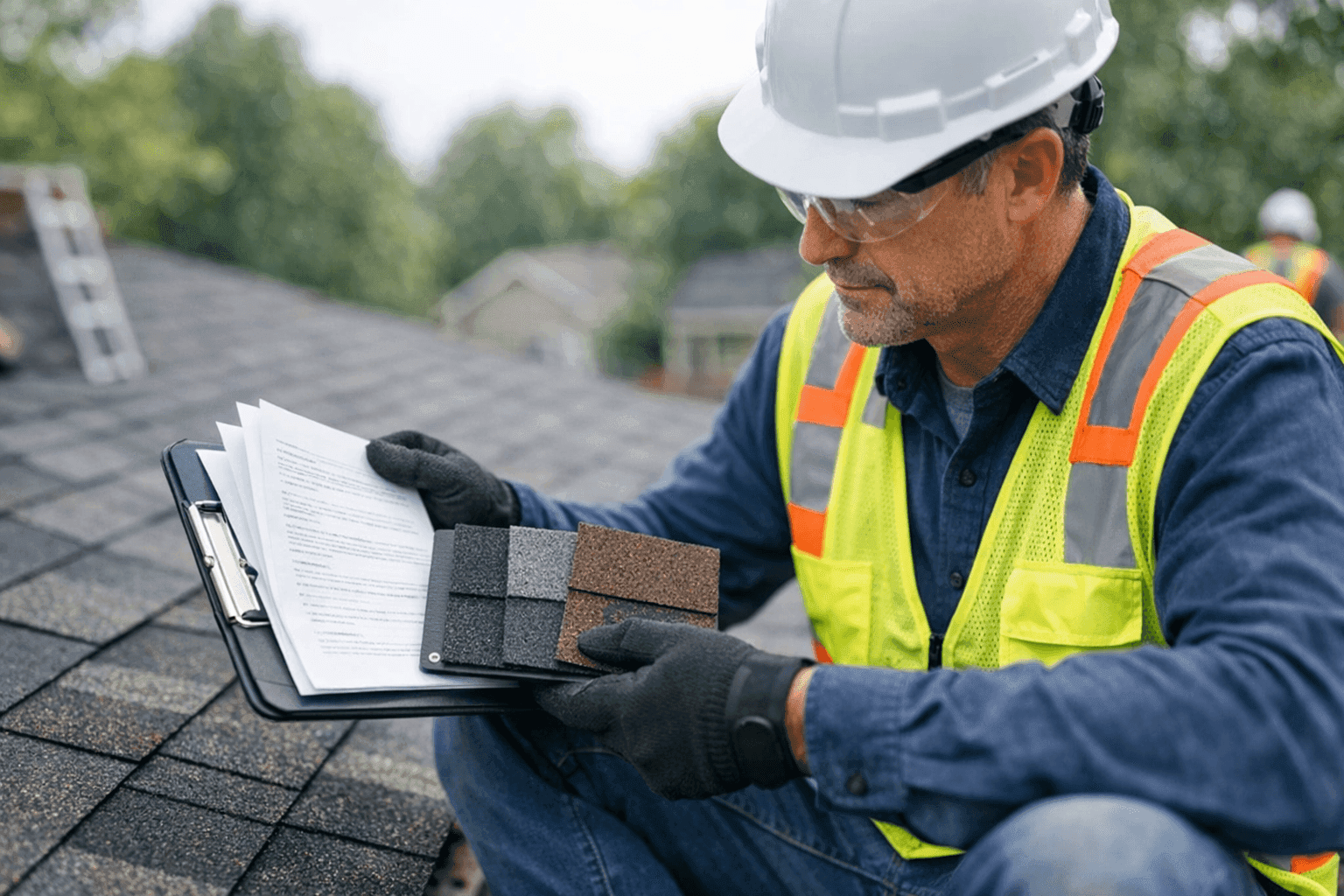
Is your roof warranty a safety net or more like a leaky umbrella? You’re not alone in wondering. With so many materials, contractors, and fine print, it’s easy to miss what really protects your investment.
At KRB Contractors Roofing, we’ve seen homeowners and businesses caught off guard by warranty surprises. Let’s clear the fog. Here’s what you need to know to make sure your roof is covered when you need it most.
What Is a Roof Warranty? 🏠
Think of a roof warranty as your home’s raincoat. It’s the written promise that certain materials or workmanship won’t fail before their time. But, just like any raincoat, some keep you drier than others.
A roof warranty can protect you from unexpected costs after a roof-replacement, new install, or major repair. It’s a tool for peace of mind—but only if you know how it works.
Types of Warranties: Material, Workmanship, and More
Roof warranties come in several flavors. Here’s how to spot the difference:
- Manufacturer’s Warranty: Covers roofing materials like shingles, metal, or tiles. If your new shingle roof curls or a tile cracks due to a factory defect, this warranty may step in.
- Workmanship Warranty: Provided by your roofing contractor. Covers errors in installation—think misaligned tiles or poor flashing.
- System Warranty: Broader coverage that may include underlayment, flashing, and ventilation.
- Extended or Enhanced Warranty: Sometimes available for an extra fee, offering longer or more comprehensive protection.
Each type has its own terms and length—anywhere from 2 years to “lifetime.” Always ask for the paperwork and read the details.
Common Exclusions: What’s NOT Covered
Warranties have fine print, and it matters. Most do not cover:
- Normal wear and tear from time and weather
- Damages from “Acts of God” (hailstorms, hurricanes, wildfires)
- Poor attic ventilation or insulation issues
- Unauthorized repairs or modifications
- Neglect—skipping maintenance or cleaning gutters
If you’re dealing with storm damage in Sioux Falls, for example, your manufacturer’s warranty likely won’t help. That’s when you need the right roof repair or storm restoration—not just paperwork.
How to Maintain Coverage (and Avoid Voiding Your Warranty) 🛠️
Keeping your warranty valid is kind of like keeping your car’s warranty—regular maintenance is key.
- Schedule annual roof inspections with a licensed pro so you catch small problems early.
- Fix leaks and damage right away. Small issues can grow fast and may void your warranty.
- Document everything. Save receipts, photos, and notes from every repair or inspection.
- Only use approved materials and methods. Mixing brands or DIY repairs can void coverage.
- Clean gutters and downspouts. Overflow or ice dams from clogged gutters are a common cause of warranty denial.
For more details, check local building codes and guidelines from the International Building Code (IBC) or the National Roofing Contractors Association (NRCA).
Steps If You Need to File a Claim
So something went wrong. Now what?
- Review your warranty documents. Know what’s covered and what’s not.
- Collect proof of the problem. Photos, written descriptions, and inspection reports help.
- Contact your contractor or manufacturer. They’ll explain the process and may send an inspector.
- Submit your claim in writing. Include all documentation. Keep copies.
- Follow up regularly. Processing times vary—don’t let your claim fall through the cracks.
When DIY Repairs Can Hurt More Than Help
It’s tempting to grab a ladder and fix a loose shingle yourself. But DIY repairs can instantly void many warranties. Even a “quick fix” with the wrong sealant or nail can cost thousands down the road.
If you’re unsure, it’s safer to call a roofing specialist—especially for Tile Roofing near you or commercial flat roofs.
Signs of Trouble Your Warranty Might Actually Cover
Not every roof issue is your fault. Keep an eye out for:
- Shingles that blister, curl, or crack early
- Tiles slipping or breaking without heavy impact
- Metal panel rust in new installs
- Leaks around new skylights or flashing
If these show up soon after a New Roof Installation, your warranty could help.
Timeline & Disruption: What to Expect During a Warranty Claim
Filing a claim isn’t a fast process. Here’s what to expect:
- Inspection: An adjuster or roofing contractor visits your property.
- Assessment: They determine if it’s a covered issue.
- Decision: Approval or denial, with an explanation.
- Remedy: If approved, repairs or replacement are scheduled.
This can take days or weeks, depending on weather and claim complexity. Plan for some disruption, especially if decking or structure must be fixed.
Prevention & Maintenance: Your Best Warranty Protection 🧰
Most warranty headaches start with small things left unchecked. Simple steps can save you from costly surprises:
- Inspect and clean your gutters twice a year.
- Check for missing or damaged shingles after storms.
- Schedule a professional inspection every spring or fall.
- Trim overhanging tree branches that could damage your roof.
- Keep attic spaces well-ventilated and insulated.
The best defense? Don’t give problems a chance to grow.
When It’s an Emergency: What to Do First
Storm just ripped shingles from your roof—or a tree came down? Safety comes first.
- Get everyone indoors and away from hazards.
- Photograph damage for your records.
- Make temporary repairs only if you can do so safely (a tarp over a hole, for example).
- Call a roofing contractor immediately—especially if your area is prone to sudden storms or hail.
If you’re in the Sioux Falls area and need urgent roofing services, reach out to our team of local specialists for fast help with roof repair.
Common Mistakes That Cost Homeowners Their Warranty
Don’t let easy slip-ups leave you unprotected:
- Ignoring regular maintenance
- Hiring unlicensed or uninsured contractors
- DIY fixes with hardware store materials
- Failing to address attic moisture or poor ventilation
- Skipping paperwork and documentation
When in doubt, ask for guidance. Your roof is a big investment—don’t let small oversights chip away at your safety net.
FAQ: Roof Warranties Simplified
Q: Does a “lifetime” warranty mean my roof is covered forever?
A: Not quite. “Lifetime” usually refers to the expected life of the product, often 25–50 years, and may be prorated.
Q: Are labor costs always included in warranty claims?
A: Not always. Some warranties only cover materials—not labor or disposal costs.
Q: Can transferring ownership affect my roof warranty?
A: Sometimes. Many warranties are transferable, but you must notify the manufacturer within a set window—usually 30–60 days.
Seasonal Considerations for Your Roof Warranty
Different seasons bring different risks. In spring and fall, inspect for weather damage and debris. Winter brings ice dams and freeze-thaw cycles. Summer heat can warp shingles and dry out sealants.
Adjust your maintenance routine to match the season—and keep your warranty in good standing.
Materials Matter: How Roofing Choices Affect Your Warranty
Not all roofing is created equal. Premium shingles, metal panels, or tile roofing near you might come with longer or more robust warranties—but only if installed by a certified roofing contractor.
Ask about:
- Required underlayments
- Approved fasteners
- Compatible flashing and sealants
Mixing manufacturers or skipping steps can leave you exposed to costly repairs not covered by warranty.
Commercial vs. Residential: What’s Different?
Commercial roofing warranties may look different than residential ones. They often cover flat roofs, membrane systems, or specialty coatings, with specific requirements for inspections and maintenance logs.
If you own a business property, keep detailed records and follow your warranty provider’s rules closely.
Reference: Where to Learn More
For more on roofing standards and warranty requirements, check resources like:
- The National Roofing Contractors Association (NRCA)
- International Building Code (IBC)
- Manufacturer’s own warranty documents (always read the fine print!)
Final Thoughts: Stay Protected, Stay Informed
Roof warranties can be confusing, but you don’t have to go it alone. Know what’s covered, keep up with maintenance, and call a pro when in doubt. With the right knowledge, you can keep your investment sheltered from the storm—literally and financially.
Call KRB Contractors Roofing now — or reach us anytime at 855-528-1936 .