Why Roof Ventilation and Insulation Matter for Comfort and Efficiency
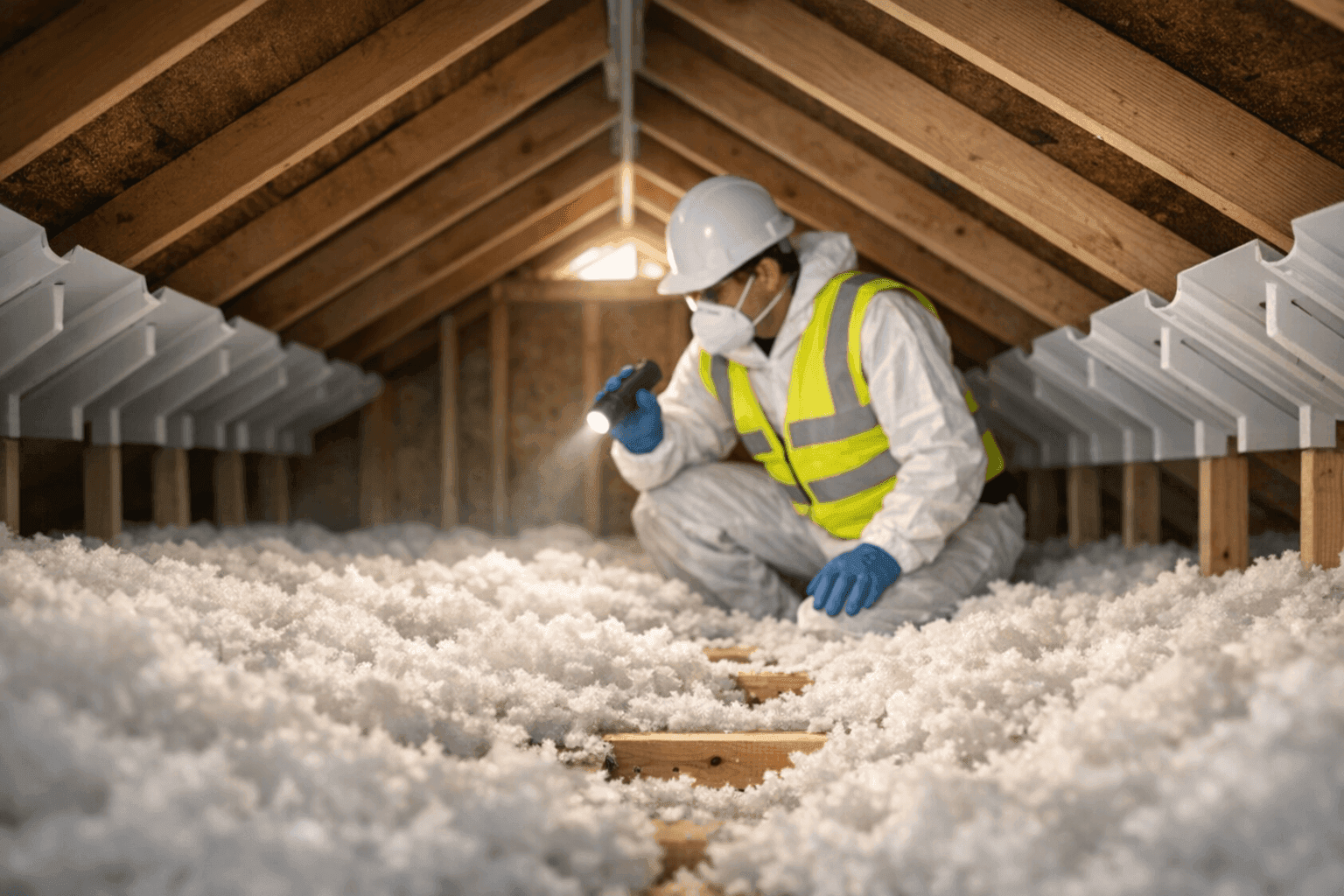
Does your home feel stuffy in summer? Or chilly and drafty in winter? The culprit could be right above your head. At KRB Contractors Roofing, we've seen firsthand how overlooked roof ventilation and insulation can lead to big headaches—uncomfortable rooms, high energy bills, and even roof damage.
Roofing isn't just about shingles or tiles. It's about creating a barrier—and a breathing space—that keeps everything below safe, dry, and comfortable. Whether you own a business or a home, paying attention to what’s under the surface can save you money and stress.
How Ventilation Works: The Roof’s Breath of Fresh Air 🌀
Think of your roof as a pair of lungs for your building. Fresh air flows in through soffits or eaves, travels through the attic, and exits through ridge or roof vents. This steady flow pushes out excess heat and moisture. Without it, your attic becomes a pressure cooker in summer—or a breeding ground for ice and mold in winter.
Common types of roof ventilation include:
- Ridge vents (run along the peak)
- Soffit vents (under the eaves)
- Gable vents (on the sides of the attic)
- Powered attic fans (move air with electricity)
- Static vents (no moving parts)
- Turbine vents (spin with the wind)
Each system has its place. Choosing the right setup depends on roof shape, climate, and your specific needs.
Types of Roof Insulation: More Than Just Fluffy Stuff
Insulation is like a cozy blanket tucked between your roof and your living spaces. But not all blankets are equal. The right material—installed correctly—makes a world of difference.
Most common insulation types in roofing:
- Batt or roll fiberglass: Easy to install, affordable, common in attics.
- Blown-in cellulose or fiberglass: Fills gaps, good for irregular spaces.
- Spray foam: Seals air leaks, offers high R-value, needs professional install.
- Rigid foam boards: Used for flat roofs or special applications.
- Reflective barriers: Bounce radiant heat away, especially in hot climates.
Check your local building codes for required insulation R-values—higher numbers mean better performance.
The Tangible Benefits: Why Bother With Ventilation and Insulation?
Wondering if it’s worth upgrading your roof’s “lungs and blanket”? Here’s what you gain:
- Lower energy bills: Less heat escapes in winter, less enters in summer.
- Even comfort: No more roasting attics or freezing bedrooms.
- Longer roof life: Shingles and decking stay dry and healthy.
- Mold and moisture prevention: Dry attics mean fewer health worries.
- Better indoor air quality: Stale air and fumes don’t linger.
- Fewer ice dams: In cold regions, proper airflow and insulation stop water from freezing at the roof’s edge.
These systems aren’t just for energy nerds. They’re for anyone who wants a safer, happier home or business.
Attic Fans and Baffles: Tiny Tools, Big Impact 🌬️
Attic fans are like giving your roof a gentle push to exhale. They help move air quickly, especially after a hot day. But fans alone aren’t magic—they work best when paired with correctly installed vents.
Baffles (sometimes called rafter vents or air chutes) are the unsung heroes. They keep insulation from blocking airflow at the eaves. Think of them as traffic cops, keeping the fresh air moving where it needs to go.
Signs of Poor Airflow: Know When to Investigate
How do you know if things aren’t flowing as they should be? Look (and sniff) for:
- Stuffy, hot rooms upstairs
- Mysterious musty odors
- Water stains on ceilings or walls
- Frost or dampness in the attic
- Warped or cracked shingles
- Unexpectedly high heating or cooling bills
- Mold or mildew spots
Ignoring these signs is like driving with a foggy windshield. You might get by for a while, but eventually, you’ll hit trouble.
Common Problems That Hurt Performance
Over time, small issues can snowball. Here’s what often goes wrong:
- Blocked soffit vents: Insulation or debris stops air at the start.
- Insufficient ventilation: Not enough vents for the roof’s size.
- Improperly installed insulation: Gaps, compression, or wrong type.
- Unsealed attic hatches: Air leaks right through.
- Older materials: Settled or degraded insulation loses effectiveness.
Homeowners and facilities managers miss these issues all the time—until the damage is already done.
Troubleshooting: What the Pros Do on Arrival
When you call a professional like KRB Contractors Roofing, here’s what happens:
- Visual inspection: We check vents, baffles, attic space, and insulation depth.
- Moisture check: Spot any damp spots, leaks, or condensation.
- Airflow test: Measure intake and exhaust, look for blockages.
- Thermal imaging: Identify cold spots or heat leaks.
- Material review: Verify insulation type and thickness.
We then recommend practical fixes. Sometimes it’s as simple as adding a vent or unblocking a soffit. Other times, the solution involves upgrading insulation or installing attic fans.
Prevention and Maintenance: Simple Steps for Longevity 🛠️
A bit of care goes a long way. Here’s how to keep things working smoothly:
- Inspect attic and vents every season. Look for blockages, animal nests, or damaged screens.
- Replace or add insulation if it’s settled or wet.
- Check for daylight in the attic. If you can see it along the eaves, air can flow.
- Clean gutters and downspouts. Water backup can lead to leaks and mold.
- Schedule professional inspections every few years—especially after storms.
Following guidelines from organizations like the International Association of Certified Home Inspectors can help you stay ahead of trouble.
DIY or Call a Pro? Where the Line Is Drawn
Some tasks are homeowner-friendly. Others are best left to seasoned hands:
DIY-friendly:
- Checking for visible blockages
- Spotting obvious insulation gaps
- Replacing vent screens
Call a pro for:
- Adding or moving vents
- Installing insulation in tight or awkward spaces
- Handling electrical attic fans
- Dealing with moisture, rot, or mold
Remember, safety is key. Attics can get dangerously hot and cramped. If you’re unsure, don’t risk it.
Costs and Time Factors: What to Expect
Pricing and timelines depend on your roof’s size, shape, and existing materials. Typically:
- Vent installation: A few hours to a day
- Insulation upgrades: One to two days for most homes
- Repairs: Varies, but small fixes often completed same day
Investing in these upgrades pays off quickly with energy savings and peace of mind. For eco-conscious owners, KRB Contractors Roofing also offers Eco-Friendly Options to boost efficiency and sustainability.
When It’s an Emergency: Don’t Wait
Some issues can’t wait. If you see water dripping from your ceiling or smell strong, musty odors, call for help immediately. Roof leaks, especially after storms, can quickly ruin insulation and decking. Our Roof Repair team is ready to respond to urgent needs.
Seasonal Considerations: Preparing for Extremes
- Spring: Check for winter ice damage or mold.
- Summer: Make sure vents are clear for peak heat.
- Fall: Remove leaves and debris from roof and gutters.
- Winter: Watch for ice dams and frost in the attic.
Routine checks help you avoid the worst surprises.
Common Mistakes to Avoid 🚫
- Blocking soffit vents with insulation
- Using the wrong R-value for your climate
- Forgetting the attic hatch or pull-down stairs
- Ignoring small leaks or stains
- Mixing different insulation types without professional advice
A little attention to detail keeps your roof performing its best.
Materials and Equipment: What Makes the Grade
- Vents: Metal or high-quality plastic, corrosion-resistant
- Baffles: Rigid foam or plastic for durability
- Insulation: Certified, meets local code requirements
- Fans: UL-listed, properly wired
Cutting corners here can mean more repairs down the line. Always choose proven materials.
Timeline and Disruption: What Should You Expect?
Most ventilation and insulation work is minimally invasive. You might hear footsteps or tools overhead, but full replacements rarely take more than a couple of days for homes or small businesses. Larger commercial projects can take a bit longer, but the disruption is usually much less than a full roof replacement.
Professional Guidance: Tailored Solutions for Every Roof
No two roofs are exactly alike. That’s why KRB Contractors Roofing crafts ventilation and insulation plans that fit your property—not just a generic recommendation. We consider your climate, building codes, and your comfort goals.
If you’re looking for a roofing company that understands the science and the craft, we’re ready to help.
Ready for a more comfortable, efficient property? Call KRB Contractors Roofing now — or reach us anytime at 855-528-1936 .