Roof Sealants and Coatings: When and Why to Use Them
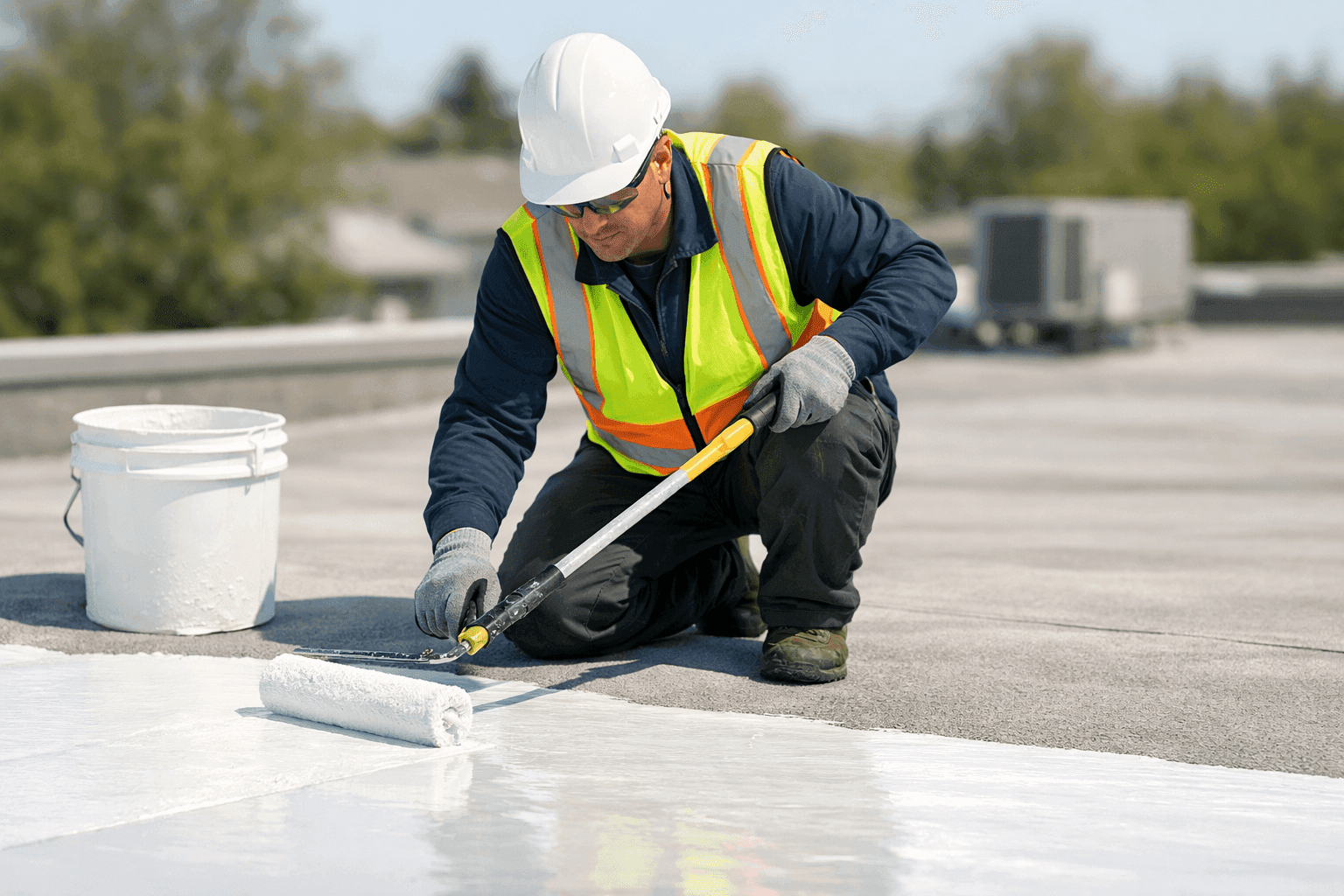
Is your roof telling you something? Maybe it’s a subtle drip, a stubborn stain, or a whiff of damp air after rain. Whether you own a cozy bungalow or manage a sprawling commercial property, roof trouble can sneak up fast—and escalate even faster if you wait. At KRB Contractors Roofing, we know how small cracks can turn into big headaches.
The good news? Roof sealants and coatings can be your first line of defense. They don’t just buy you time—they help you win it back. Let’s walk through what these products can do, when you need them, and why a little prevention is worth a lot of peace of mind.
What Are Roof Sealants and Coatings? 🏠
Think of roof sealants and coatings as armor for your building. They’re protective layers—liquid or semi-liquid products applied to the roof’s surface. Once dry, they form a shield against rain, sun, and even pollution.
- Sealants: Fill gaps, cracks, and seams. They keep leaks out and energy bills down.
- Coatings: Blanket the whole roof, often adding reflective, weather-resistant, or waterproof properties.
Both work for tile, shingle, flat, and metal roofs. If you’ve ever seen a roof gleam white under the sun, you’ve probably spotted a fresh coating in action.
Types and Applications: One Size Doesn’t Fit All
Not all roofs are created equal. The same goes for sealants and coatings. Here’s a quick tour of the most common types:
Elastomeric Coatings
Stretchy like a rubber band. These coatings expand and contract with your roof’s movement—ideal for climates that swing from hot to cold. They’re often used on flat roofs and commercial buildings.
Silicone Coatings
Waterproof and tenacious. Silicone stands up to ponding water (when rain sits on flat roofs) and resists UV breakdown. It’s a favorite for commercial flat roofs and places with heavy rainfall.
Acrylic Coatings
Think of these like a thick sunscreen. Acrylics are affordable, easy to apply, and reflect sunlight, keeping buildings cooler. They’re great for sloped metal or tile roofing near you.
Where They Go
- Flat Roofs: Benefit most from elastomeric and silicone.
- Shingle or Tile Roofs: Acrylics can extend life and boost reflectivity.
- Metal Roofs: Both elastomeric and acrylic options work well.
- Eco-Friendly Options: Many modern coatings are low-VOC and energy-saving—ask us about our green choices.
The Real Benefits of Roof Coatings
Why bother with an extra layer? Here’s what homeowners and property managers gain:
- Leak Prevention: Sealants fill the gaps where water loves to sneak in.
- Energy Savings: Reflective coatings bounce sunlight off, lowering AC costs.
- Longer Roof Life: Stop weather and small cracks from turning into costly repairs.
- Improved Appearance: Coatings can freshen up faded or stained roofs.
- Mold & Mildew Protection: Reduce the risk of growth in hard-to-see places.
And for those managing commercial spaces? Coatings help meet maintenance codes and extend time between major repairs—saving disruption and dollars.
How to Choose the Right Product for Your Roof
Picking a sealant or coating isn’t just a toss-up. Here’s how to narrow it down:
- Roof Material: Tile, shingle, metal, or membrane? Each plays best with certain products.
- Roof Slope: Flat roofs need extra waterproofing muscle.
- Climate: Heavy rain? Go silicone. Blazing sun? Try acrylic.
- Age of Roof: Older roofs may need more prep or a thicker application.
- Eco Concerns: Low-VOC and cool-roof products are available for the environmentally conscious.
When in doubt, bring in a pro for an inspection. The right match means fewer headaches down the road.
Professional vs. DIY Application: What’s the Difference?
Some folks love a good DIY challenge. But when it comes to roof sealants and coatings, there’s more at stake than a Saturday afternoon.
DIY Application
- Pros: Can save some money. Good for tiny repairs or touch-ups if you’re handy.
- Cons: Missed spots, wrong products, or poor prep can mean wasted effort—or even voided warranties.
Professional Application
- Pros: Correct prep, product, and technique. Access to commercial-grade materials. Safer for steep or high roofs.
- Cons: Higher upfront cost—but often pays off in fewer repairs later.
Ask yourself: Is peace of mind worth the investment? For most, the answer is yes.
Quick Safety Checklist Before You Start
Your safety comes first. Even experienced roofers take these precautions:
- Wear non-slip shoes.
- Work on dry, clear days only.
- Use a sturdy ladder.
- Avoid working near power lines.
- Don’t attempt steep or damaged roofs alone.
The Occupational Safety and Health Administration (OSHA) offers guidelines for anyone working at heights. When in doubt, stay grounded and call the pros.
What the Pros Do When They Arrive
At KRB Contractors Roofing, our team doesn’t just slap on a coating and call it a day.
Here’s what you can expect:
- Full Inspection: We spot hidden leaks or structural weaknesses.
- Thorough Prep: Clean, repair, and dry the surface for the best bond.
- Product Selection: We match the correct sealant or coating to your roof type.
- Careful Application: Even coverage, no shortcuts.
- Final Review: We check our work—so you don’t get surprises after the next storm.
Preventative Maintenance: Keep Trouble Away
A stitch in time saves nine—and a coat in time saves thousands. Here are simple habits to make coatings last:
- Inspect your roof each season, especially after big storms.
- Clear debris from gutters and downspouts.
- Look for cracked or peeling spots and address them quickly.
- Schedule professional maintenance every few years.
Need help with regular upkeep? We offer Sealants and Coatings plans for both homes and commercial properties.
Costs and Time Factors: What to Expect
No two roofs are the same, so costs vary. Factors that affect your bill:
- Roof size and complexity.
- Type of coating or sealant.
- Surface prep needed (cleaning, repairs).
- Weather and access.
For many, coating a flat commercial roof is far less than a full replacement. Most jobs wrap in a day or two.
When It’s an Emergency
Some leaks won’t wait. If water is pouring in, or you see bubbling, peeling, or pooling near electrical systems—this is urgent. Temporary sealant may buy you a little time, but call for emergency roofing services right away.
Common Mistakes to Avoid
Even pros can slip up. Here are the big ones to watch for:
- Applying coatings to a dirty or wet roof.
- Using the wrong product for your climate or roof type.
- Skipping needed repairs before coating.
- Not following manufacturer instructions for drying time.
- Overlooking safety—never risk a fall for a quick fix.
Signs of Trouble: When Your Roof Needs Attention
Keep an eye out for:
- Blisters or bubbles in the coating.
- Peeling or cracking around seams.
- New leaks after rain.
- Faded or chalky coating surfaces.
If you spot these, call for an inspection. Early action is always cheaper than a major repair.
Seasonal Considerations
- Spring/Summer: Great for applying new coatings—warm, dry weather helps them cure.
- Fall: Ideal for inspections and spot repairs before winter’s freeze.
- Winter: Emergency fixes only—most coatings need warmer temps to set.
Timeline & Disruption: Will You Need to Move Out?
Most coating jobs are surprisingly quick. For homes, you can usually stay put. For commercial spaces, we work to minimize downtime—often completing work after hours or in sections. We’ll keep you in the loop every step.
Materials & Equipment: What’s Involved
Pros use:
- Power washers for cleaning.
- Safety harnesses and ladders.
- Commercial-grade brushes, rollers, or sprayers.
- Specialty products designed for each roof type.
We never cut corners—because it always shows later.
FAQ: Your Roof Coating Questions, Answered
Do all roofs need sealants or coatings?
Not always—but most benefit from at least spot sealing, especially as they age.
How often should coatings be reapplied?
Every 5–10 years, depending on the product, roof type, and local weather.
Will it change how my roof looks?
Many coatings are nearly invisible. Reflective options can brighten a roof’s appearance.
Is it eco-friendly?
We offer Eco-Friendly Options for homeowners and businesses looking to cut energy costs and reduce impact.
When to Call a Roofing Contractor
If you’re unsure whether your roof needs attention—or if you’re weighing sealant versus a full Flat Roofs project—don’t guess. A roofing contractor can spot trouble before it grows, recommend the right products, and keep your property protected.
Roof coatings and sealants are more than just a patch—they’re an investment in comfort, safety, and property value. If your roof needs a fresh coat of confidence, or you just want an expert opinion, we’re ready to help.
Call KRB Contractors Roofing now — or reach us anytime at 855-528-1936 .