Roof Replacement Process: What to Expect from Start to Finish
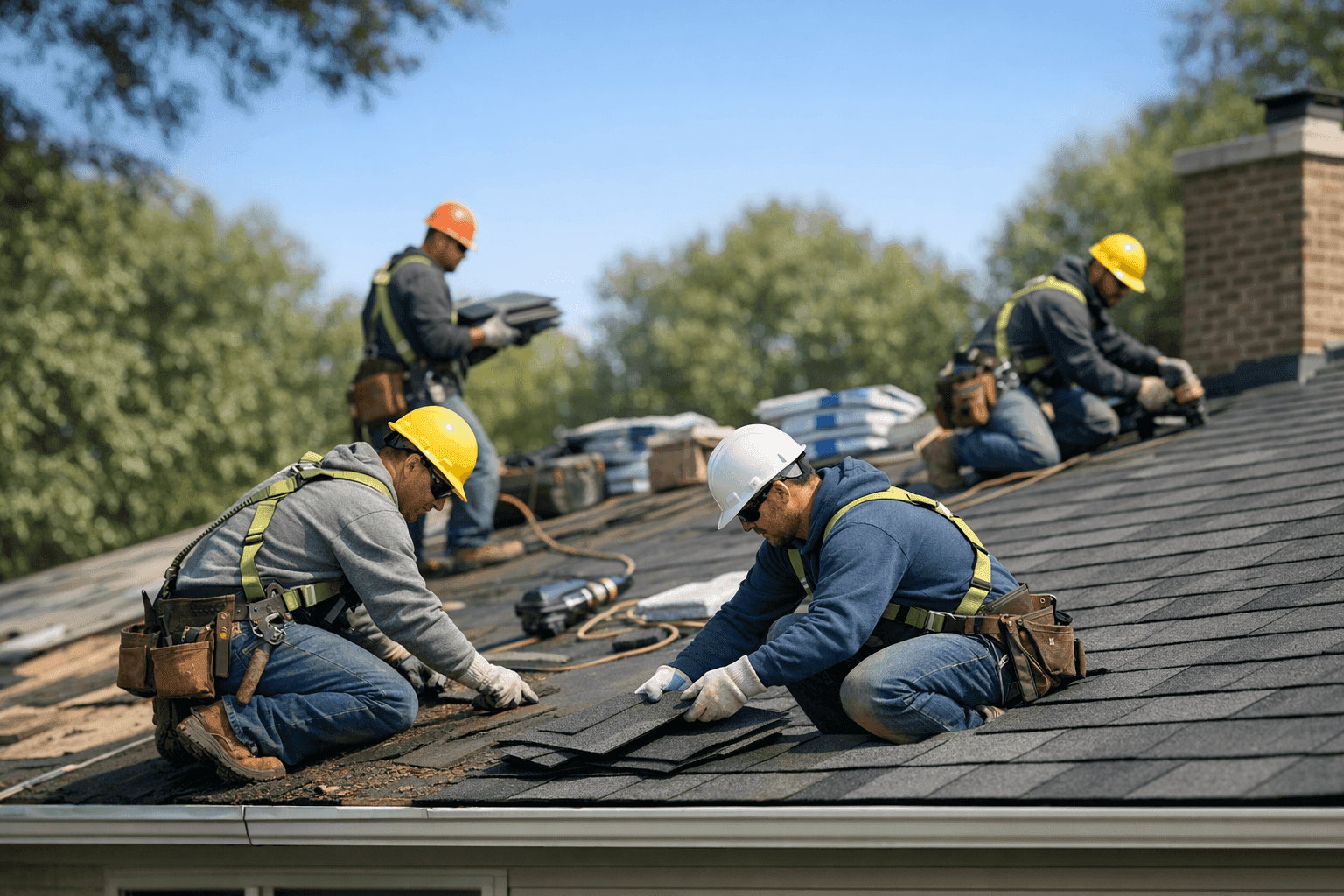
Replacing your roof is a big decision. It’s not just about shingles or tiles—it’s about protecting your home, business, and peace of mind for years to come. At KRB Contractors Roofing, we know the process can feel overwhelming, especially if it’s your first time. But with the right preparation and trusted professionals by your side, a roof replacement can be smooth, clear, and even a little exciting.
Let’s walk through exactly what to expect, from that first sign of trouble to the final inspection—and every careful step in between.
When Is Replacement Needed? 🏚️
Roofs aren’t immortal. Even the best ones age, weather storms, and eventually wave the white flag. But how do you know when it’s time?
Common Signs Your Roof Needs Replacing:
- Curled, cracked, or missing shingles
- Sagging spots or visible daylight through the attic
- Frequent leaks or water stains on ceilings
- Moss, mold, or rot on roof decking
- Age: Most roofs last 15–30 years, depending on material
Not sure? A professional inspection is your compass. At KRB Contractors Roofing, our team checks for damage, structural issues, and code compliance—following International Building Code guidelines.
Choosing the Right Roofing Materials
Every roof has a personality. Some homes demand classic shingle roofing, while others suit bold metal or elegant tile. The wrong material can be like wearing a winter coat in July—uncomfortable and short-lived.
Popular Options:
- Shingle Roofing: Affordable, versatile, and trusted for decades.
- Tile Roofing: Durable, fire-resistant, and perfect for style-conscious homes. Searching for "Tile Roofing near you"? We’ve got you covered.
- Metal Roofing: Long-lasting and energy-efficient. It shrugs off hail and high winds.
- Eco-Friendly Options: Cool roofs, recycled materials, and solar integration.
Each has trade-offs in cost, weight, appearance, and lifespan. Your contractor should walk you through options, explaining what works best for your building—and budget.
Pre-Project Planning: What Happens Before Work Begins
Good roofing doesn’t start with a hammer. It starts with a plan.
Steps Before Installation:
- Detailed Inspection: We look beyond the surface, checking decking, flashing, and ventilation.
- Estimate & Timeline: Clear, itemized scope of work with expected start and finish dates.
- Material Ordering: Ensures everything arrives on time—no last-minute scrambles.
- Permits & Codes: Your contractor handles paperwork in line with local building codes and safety standards.
- Site Prep: We’ll protect your landscaping, move outdoor furniture, and mark off work zones.
Don’t forget to talk to your neighbors—roofing projects can be noisy, and a little heads-up goes a long way.
How Long Will It Take?
Timeframes vary. A small residential roof might take two days. Large commercial jobs or tile installations could stretch to a week or more.
Factors that Affect Timelines:
- Roof size and pitch (steep roofs need more time)
- Weather (rain or snow can pause work)
- Material type (tiles take longer than shingles)
- Structural repairs needed
We’ll give you a realistic schedule up front, so there are no surprises. And if the weather turns, you’ll be the first to know about any changes.
Protecting Your Property During Replacement 🛡️
Roofing is messy. Imagine a controlled storm of old shingles, nails, and dust. That’s why site protection is a priority.
Our Approach:
- Covering landscaping, decks, and windows with tarps
- Setting up safe walkways and clear boundaries
- Daily clean-up and magnet sweeps for stray nails
- Secure storage for materials and tools
You can help by moving vehicles away from the house and securing pets indoors for their comfort and safety.
The Roof Installation Process—Step by Step
Here’s where the magic (and muscle) happens. Our crew works in a careful sequence to keep your property safe and the project on track.
Typical Replacement Steps:
- Remove Old Roofing: Tear-off down to the decking. Uncover hidden issues.
- Decking Inspection & Repairs: Replace any rotten or damaged boards.
- Install Underlayment: A waterproof barrier for added protection.
- Flashing & Leak Barriers: Around chimneys, vents, and skylights. These are your first defense against leaks.
- Install New Roofing Material: Shingles, tiles, metal, or eco-friendly options—applied with precision.
- Gutters, Downspouts, and Vents: Proper drainage and airflow are critical.
- Sealants & Finishing Touches: All edges sealed, and every detail checked.
Every step follows OSHA safety standards and manufacturer recommendations.
Working With Roofing Contractors: Roles & Communication
A reliable roofing contractor acts like the conductor of an orchestra—coordinating crews, materials, and timing so everything works in harmony.
What to Expect:
- Regular updates about progress or weather delays
- A clear point of contact for your questions
- Respectful, uniformed crews who treat your home like their own
At KRB Contractors Roofing, communication is a cornerstone. We’ll keep you informed, so you never feel in the dark.
Dealing With Surprises: Change Orders & Structural Repairs
Sometimes, we find hidden problems—rotted decking, damaged trusses, or outdated flashing. It’s a bit like opening a wall during renovation and finding an old, leaky pipe.
If we discover issues, we’ll pause and explain your options. No mystery fees. No shortcuts.
Safety First: Codes, Permits, and Best Practices
Roofing isn’t just about looks—it’s about safety. We follow the National Roofing Contractors Association (NRCA) guidelines and all local codes. From ladder placement to harnesses, every step matters.
Quick Safety Checklist:
- Are permits secured?
- Is the job site marked and secure?
- Are workers using fall protection?
- Is debris contained and disposed of properly?
Ask questions if you’re unsure. You have every right to understand what’s happening on your property.
Final Inspection and Cleanup 🧹
When the last nail is hammered in, we’re not done. A thorough inspection comes next.
Final Steps:
- Walkthrough with you to check workmanship and materials
- Inspect flashing, gutters, and roof penetration seals
- Magnet sweep for stray nails or debris in the yard
- Remove all materials and protective coverings
We want you to see your new roof—not a mess left behind.
Living Through a Roof Replacement: Tips to Stay Comfortable
It’s noisy. There’s dust. Sometimes, it feels like living next to a construction zone. But with a little prep, you can minimize the stress.
Tips:
- Cover items in your attic—dust finds its way everywhere
- Keep pets and kids indoors
- Plan for early starts (roofers are morning people)
- If you work from home, consider noise-canceling headphones or a temporary workspace elsewhere
A good contractor will do their best to minimize disruption, but a little planning goes a long way.
Preventative Maintenance: Protect Your Investment
A new roof is a big investment. Like changing the oil in your car, regular maintenance keeps it performing.
What You Can Do:
- Schedule regular Inspections
- Clean gutters and downspouts
- Trim overhanging branches
- Watch for moss, algae, or debris
Annual check-ups catch small problems before they grow.
When It’s an Emergency: Storm Damage & Rapid Response
Sometimes, roof replacement isn’t planned. Hail, wind, or fallen branches can force your hand. If your roof is leaking or compromised, call for emergency services immediately.
We offer quick tarping and storm restoration, prioritizing your safety and preventing further damage. After the storm, we’ll help you navigate insurance paperwork and get your life back on track.
Common Mistakes to Avoid
- Waiting too long—delays can lead to costly water damage
- Hiring uninsured or unlicensed contractors
- Skipping the fine print on contracts
- Ignoring attic ventilation or insulation
Choose an established roofing company with a track record of quality work and transparent communication.
Seasonal Considerations: Best Time for Roof Replacement
Spring and fall are prime seasons—mild weather means less chance of delays. Summer heat can be tough on crews and materials, while winter snow and ice can slow things down.
Plan ahead if possible. Good contractors book up quickly during peak seasons.
FAQ: What Homeowners and Businesses Ask Most
How much will it cost? Costs vary by size, materials, and repairs needed. We’ll give you a clear, written estimate before work begins.
Will insurance cover it? If damage is storm-related, often yes. We’ll guide you through documentation and inspections.
Can I stay in my home during replacement? Usually, yes. Most replacements are noisy but safe. We’ll advise if you need to make other arrangements due to structural repairs.
How do I get started? Schedule a roofing company visit for a full evaluation and estimate.
A roof replacement is more than a project—it’s peace of mind. With KRB Contractors Roofing, you get clear communication, careful planning, and a roof built to last. Ready to start?
Call KRB Contractors Roofing now — or reach us anytime at 855-528-1936 .