Roof Repair vs. Replacement: Making the Right Decision
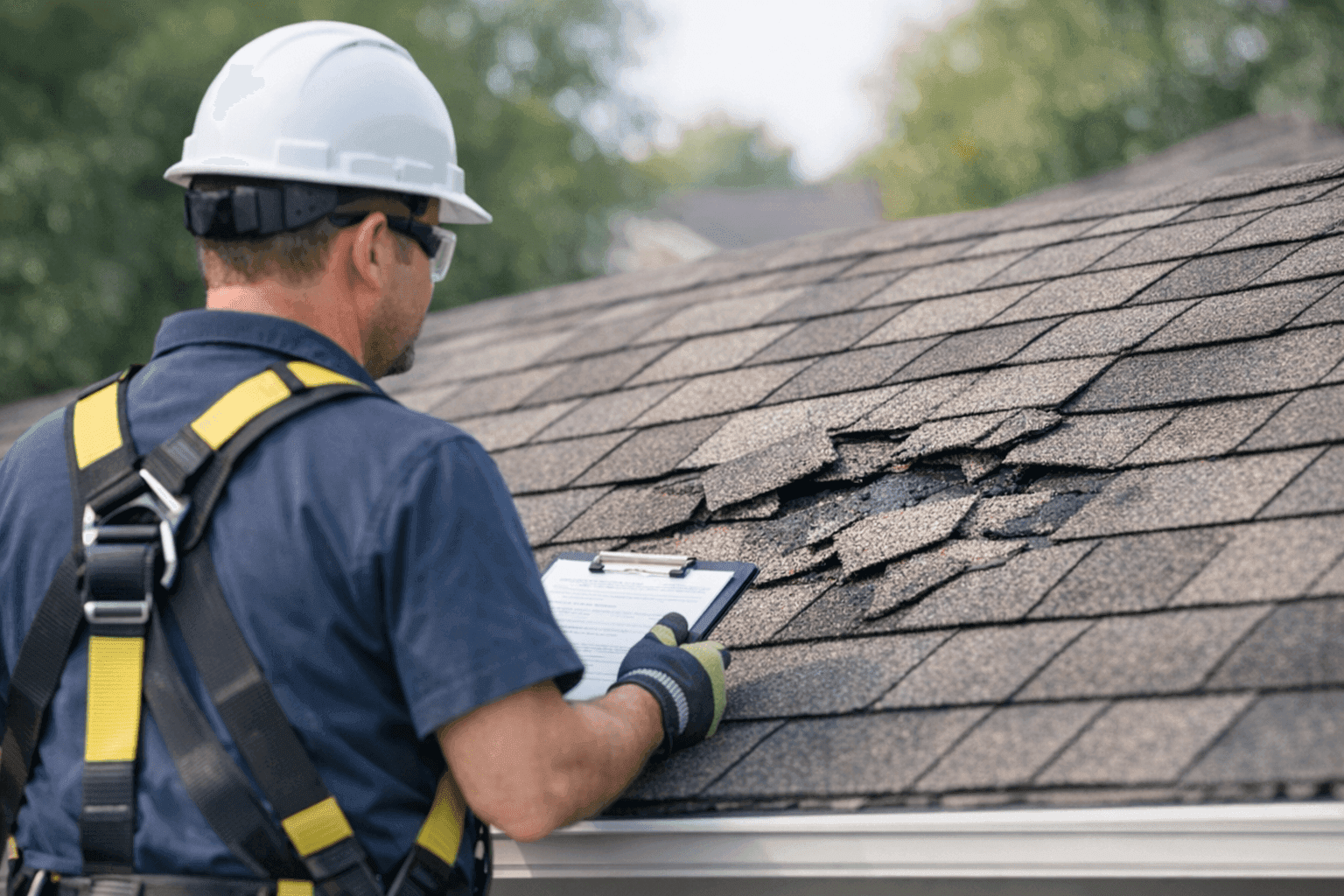
Is your roof trying to tell you something? Maybe you’ve noticed a drip after a storm or shingles curling at the edges. It’s easy to ignore—until a small problem becomes a big, costly mess.
At KRB Contractors Roofing, we know the roof over your head is more than just shingles or tiles—it’s peace of mind. But how do you decide between fixing what’s broken and starting fresh? Let’s break it down, step by step.
Assessing Roof Damage: The First Step 🕵️
Think of your roof like the brakes on your car. Sometimes a squeak just needs a little oil. Sometimes, though, it means your brakes are shot. Knowing the difference is critical.
Warning Signs Your Roof Needs Attention
Check for these red flags:
- Missing or cracked shingles/tiles
- Dark streaks or moss growth
- Visible sagging or uneven rooflines
- Water stains on ceilings or walls
- Loose or damaged flashing, especially around chimneys and skylights
- Granules in gutters (for asphalt shingle roofs)
- Daylight peeking through attic boards
If you spot more than one, don’t wait. A quick inspection can save you thousands later.
Lifespan Benchmarks by Material
- Asphalt shingles: 15–25 years
- Metal roofing: 40–70 years
- Tile roofing: 50+ years
- Flat roofs (membrane): 10–20 years
- Wood shake/shingle: 20–40 years
If your roof is nearing the end of its typical lifespan, even small issues might signal it’s time for a bigger change.
When Roof Repair Makes Sense
Not every leak spells disaster. Sometimes a well-timed patch is all you need. Repairs are often the right choice when:
- Damage is limited to one area (e.g., a few shingles blown off)
- The roof is generally in good shape and under half its expected lifespan
- Flashing or sealants need reworking—these are common weak spots
- You’re on a tight budget but need to address urgent issues
Roof Repair Checklist
- Inspect after storms, especially for wind or hail damage
- Check attic for signs of leaks or water stains
- Schedule regular Inspections to catch issues early
- Tackle minor repairs swiftly to prevent escalation
When Roof Replacement Is the Smarter Move
Sometimes, patching is just putting a bandage on a bigger wound. Consider replacement if:
- Your roof is old (at or beyond its average lifespan)
- Widespread damage—leaks in multiple places, extensive shingle loss
- Significant structural issues like sagging, rot, or mold
- Energy bills keep rising—old roofs often lack insulation and ventilation
- You’re planning to sell—a new roof is a strong selling point
Roof Replacement Red Flags
- More than 25–30% of the roof is damaged
- Recurring leaks despite repeated repairs
- Decking is soft or spongy underfoot
- You see daylight in the attic (not just around vents)
Cost Considerations: Repair vs. Replacement 💰
Let’s talk numbers. Repairing a section of roof is usually far less expensive upfront. But if you’re stacking repairs year after year, costs add up like water in a leaky bucket.
Key Cost Factors
- Material type: Metal, tile, and specialty roofing cost more to replace.
- Labor: Complex roofs or steep pitches increase labor time.
- Extent of damage: Small fixes are cheaper; structural repairs, not so much.
- Permits and code upgrades: Older homes may require bringing roofs up to current standards (see the International Building Code for guidelines).
Pro Tip
Get a clear, written estimate before work begins. Ask for a breakdown—materials, labor, disposal, and any extras. Transparency means fewer surprises later.
Quick Safety Checklist Before You Act
Your safety comes first. Before climbing up or poking around, remember:
- Never walk on a wet or icy roof.
- Use a sturdy, properly anchored ladder.
- Watch for exposed nails or loose shingles.
- If you’re unsure, call in a professional.
DIY or Call a Pro? Knowing Your Limits
Some things are weekend projects. Others, not so much.
- DIY: Clearing gutters, spotting missing shingles from the ground, basic attic checks.
- Call a Pro: Anything involving heights, electrical components (like solar or attic fans), structural repairs, or if you’re not sure what you’re seeing.
Roofing isn’t just about replacing what’s broken. It’s about protecting your investment—and your safety.
What Professionals Do on Arrival
Here’s what to expect when you call KRB Contractors Roofing:
- Thorough inspection—inside and out, including attic and ventilation.
- Check for hidden issues like moisture behind walls or under decking.
- Photo documentation of what we find, so you can see for yourself.
- Clear explanation of findings and options—repair vs. replacement.
- Transparent proposal with all costs outlined.
We want you to feel confident, not pressured.
Prevention & Maintenance: The Key to Roof Longevity 🛡️
A stitch in time saves nine. Same goes for roofs.
- Schedule yearly inspections, especially before storm season.
- Keep gutters and downspouts clear of debris.
- Trim overhanging branches to prevent impact damage.
- Watch for animal activity—nests and burrows can cause leaks.
- Use proper sealants and coatings for your roof type.
A small investment now keeps big problems at bay.
When It’s an Emergency: Act Fast, Stay Safe
If you notice sudden leaks, sagging, or severe storm damage, don’t wait.
- Move valuables away from the leak.
- Collect water in buckets to minimize interior damage.
- If water is near electrical outlets, cut power to affected areas.
- Call for emergency roofing services immediately.
We offer fast response for urgent situations—always.
Seasonal Considerations: Timing Your Roof Work
- Spring/Summer: Ideal for most repairs and replacements.
- Fall: Good for inspections and prepping for winter.
- Winter: Emergency repairs only—safety limits what can be done.
Plan ahead if you can, but don’t delay necessary fixes.
Common Mistakes Homeowners Make
- Ignoring small leaks or missing shingles.
- Overlooking attic ventilation.
- Attempting complex repairs without proper safety gear.
- Forgetting about gutters and downspouts.
- Choosing the cheapest option over the right one.
Avoid these, and your roof will thank you.
Roof Repair and Replacement: Timeline & Disruption
- Repairs: Usually done in a day or less. Minimal disruption.
- Replacement: Can take 2–7 days, depending on size and material. Temporary noise and debris, but we keep the site tidy.
We’ll walk you through what to expect before we start.
Materials Matter: Choosing the Right Roof for Your Needs
- Shingle Roofing: Cost-effective, versatile, great for most homes.
- Tile Roofing near you: Durable, long-lasting, excellent for curb appeal.
- Metal Roofing: Energy-efficient, ideal for both residential and commercial buildings.
- Flat Roofs: Common for commercial properties—require special attention to drainage.
Ask about eco-friendly options and insulation upgrades if you want to boost comfort and value.
Professional Evaluation: Why a Second Opinion Counts 🧐
There’s a lot riding on your decision. That’s why a professional roofing contractor can make all the difference. We’ve seen it all—storm damage, hidden leaks, aging materials—and know what to look for.
Plus, our team follows OSHA safety standards and local building codes to ensure every job is done right.
Making the Right Choice for Your Roof
Choosing between repair and replacement doesn’t have to be a guessing game. Use the checklists above, consider your roof’s age, and weigh the costs. If you’re still unsure, a thorough inspection can shed light on your best path forward.
Call KRB Contractors Roofing now — or reach us anytime at 855-528-1936 .