Roof Inspections: How They Prevent Costly Surprises
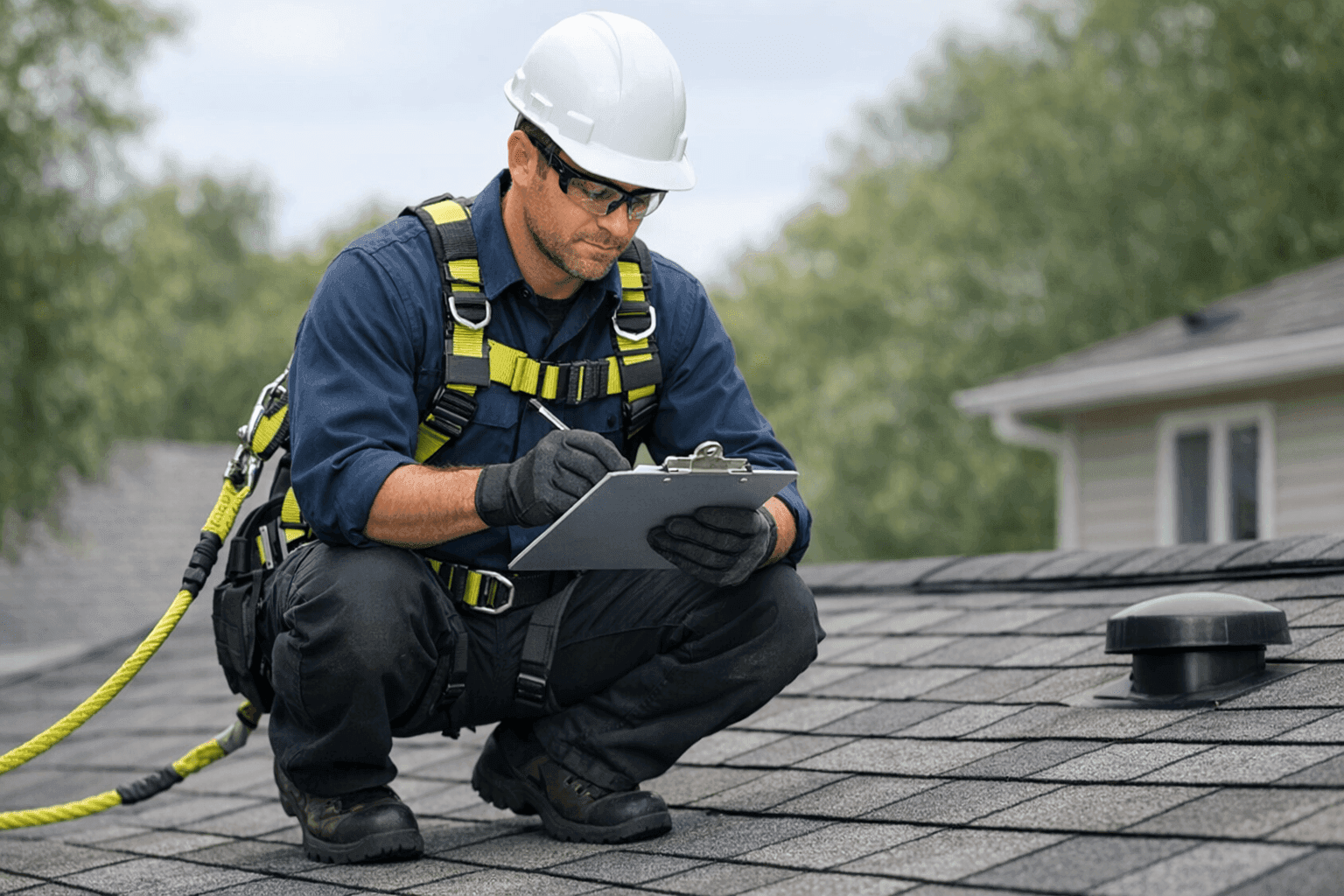
Is your roof quietly hiding a problem? Many property owners only find out when water stains appear or shingles scatter in a storm. By then, the damage is done—and the bill can sting. At KRB Contractors Roofing, we’ve seen how early inspections make all the difference. Think of a roof checkup like a health screening: a little effort now saves stress, mess, and money down the line.
Most people rarely glimpse their own roof up close. That's natural. But ignoring it is like ignoring a slow leak under your sink. Sooner or later, what’s small now grows into a major headache. Let’s dive into how scheduled roof inspections save you from expensive surprises.
Why Inspect Your Roof? 🧐
Your roof is your first shield against the elements. It faces heat, rain, snow, and wind—day after day, year after year. Over time, even the sturdiest materials start to wear down. Regular inspections are your chance to spot trouble before the weather (or time) makes it worse.
Think of it like checking the oil in your car. Routine care prevents engine failure. For roofs, inspections mean spotting cracked tiles, damaged flashing, or sneaky leaks before they create chaos inside your home or business.
The Inspection Checklist: What Professionals Look For
A thorough roof inspection isn’t just about glancing at shingles from the ground. Here’s what our trained eyes focus on:
- Shingles or Tiles: Are there missing, cracked, or curling pieces? Even a single slipped tile can let water inside.
- Roof Flashing: This metal barrier keeps water out at seams and edges. We check for rust, gaps, or lifting.
- Gutters and Downspouts: Are they clear and firmly attached? Blockages here can cause water to back up under your roof.
- Sealants and Coatings: UV rays and weather break these down over time. We look for peeling or missing patches.
- Skylights and Chimneys: Cracked or missing seals here are common sources of leaks.
- Attic/Ventilation: From inside, we check for damp insulation, dark patches, or musty smells—strong clues a leak has begun.
We always follow OSHA and local building code safety guidelines, using proper ladders, harnesses, and protective equipment. Safety comes first.
Catching Problems Early: Real-World Savings
Picture this: A small crack in a flat roof membrane, left unchecked, lets water seep in. Over months, insulation soaks up moisture. Mold creeps in, and structural decking begins to rot. What could have been a quick patch job now means major repairs—or even a full roof replacement.
One client scheduled a routine inspection after a heavy storm. We found a loose flashing strip and a blocked gutter. Fast fixes. If they’d waited until they spotted stains inside, the water damage would have spread (and so would the repair bill).
That’s why Preventative Maintenance matters. Stopping problems early means you spend less—not more—on your roof.
How Often Should You Schedule a Roof Inspection?
There’s no one-size-fits-all answer, but these are good rules of thumb:
- Twice a year: Once in spring, once in fall. This catches seasonal wear and tear.
- After major storms: Hail, high winds, or heavy snow can cause hidden damage.
- When buying or selling property: No surprises for anyone at closing.
- If you spot warning signs: Stains, drips, or missing shingles? Call for help right away.
Both residential and commercial roofs benefit from regular attention. Tile Roofing near you or flat roofs on a business—each needs eyes on it at least annually.
Professional vs. DIY: What’s Really at Stake?
A walk-around with binoculars is a good start. You might spot obvious missing shingles or sagging gutters. But most roof issues start small and out of sight. It takes training—and sometimes special equipment—to notice early warning signs.
Pros climb safely, check hidden spots, and know what small flaws mean down the road. DIY inspections can miss subtle but important clues. For most property owners, the risk of missing a problem (or injuring yourself) outweighs the cost of a professional visit.
The Quick Safety Checklist Before You Inspect
If you do peek at your roof, keep these basics in mind:
- Only use a sturdy ladder, placed on level ground.
- Never climb on the roof if it’s wet, icy, or windy.
- Wear shoes with good grip.
- Don’t walk on fragile tiles or steep slopes.
Remember, falling from a roof is one of the leading causes of home accident injuries. When in doubt, call a pro.
Signs Your Roof Needs Immediate Attention
Some warning signs mean you shouldn’t wait:
- Water spots on ceilings or walls
- Sagging roof lines
- Granules from shingles showing up in gutters
- Moldy smells in the attic
- Daylight visible through roof boards
These suggest active leaks or serious structural problems. Fast action avoids bigger disasters.
Timeline & Disruption: What to Expect from a Roof Inspection
Most inspections take one to two hours for a standard home. Commercial properties might take longer. Pros work efficiently and typically need just attic access and a quick walk around your property.
There’s little disruption: no need to move out, no noisy tools, and no mess left behind. You’ll get a written report—a roadmap for what’s next.
Roof Inspections for All Roof Types
Tile Roofing, Metal Roofing, Shingle Roofing, and flat roofs all have their own quirks. For example:
- Tile Roofing: Cracks and loose pieces are common after storms.
- Metal Roofing: Watch for rust, loose fasteners, or seam separation.
- Flat Roofs: Ponding water and membrane tears are the big enemies.
Our crews know what to look for, no matter your roof’s age or style. We service both homes and businesses, so you’re always covered.
What Happens If You Skip Inspections?
Neglecting routine inspections is like ignoring an engine light. Small leaks go unnoticed, insulation gets wet, and mold can start to grow. Before you know it, you’re facing not just roof repair, but drywall, electrical, and flooring costs too.
Insurance claims might even be denied if neglect is proven. Regular, documented inspections protect your investment and your peace of mind.
Materials & Equipment: What the Pros Bring
A professional inspection isn’t just a quick glance. We use:
- Moisture meters to check for hidden leaks
- Infrared cameras (on request) for heat loss or water intrusion
- Safety harnesses and hard hats
- Industry-standard checklists
These tools ensure nothing gets missed.
Seasonal Considerations: Timing Is Everything 🌦️
Spring brings thawing snow and rain—prime time for leaks to show up. Fall means clearing out summer debris and prepping for winter storms. Don’t forget: storms can hit any time. If you’ve had a rough weather season, schedule an extra check.
Common Mistakes: Don’t Fall Into These Traps
- Ignoring small leaks or stains
- Forgetting about gutters and downspouts
- Assuming a “new” roof can’t have problems
- Relying on quick visual checks from the ground
Stay proactive. Early action always beats late repairs.
When It’s an Emergency
If you spot water pouring in, ceilings sagging, or major storm damage, call for Roof Repair or emergency help—don’t wait. Quick temporary fixes can protect your property until a full repair is possible.
Frequently Asked Questions
Do I need to be home for the inspection?
Usually, yes—especially if attic access is needed. For commercial properties, a facilities manager should be present.
How much does it cost?
Costs depend on roof size, type, and access. It’s a small investment compared to expensive repairs down the line.
Is there a “best” time of year?
Spring and fall are ideal, but after storms or before selling, schedule one any time.
Will you check my gutters, skylights, and flashing?
Absolutely. Our inspections include all critical roof components.
Building Codes & Roofing Standards
At KRB Contractors Roofing, we follow current International Building Code (IBC) and OSHA safety standards. This ensures every inspection meets the latest quality and safety expectations.
Real-World Results: Savings You Can See
We’ve helped property owners in the area save thousands by catching issues early. From clogged gutters on a historic home to worn flashing on a busy office building, our inspections have stopped small leaks from becoming disasters.
If you’re looking for a roofing company that puts your safety and investment first, our team is ready to help.
Ready to Book Your Inspection?
Don’t let hidden roof issues drain your wallet. Schedule an inspection with KRB Contractors Roofing today. One visit could save you from a world of hassle tomorrow.
Call KRB Contractors Roofing now — or reach us anytime at 855-528-1936 .