Roof Decking Damage: Causes, Warning Signs, and Solutions
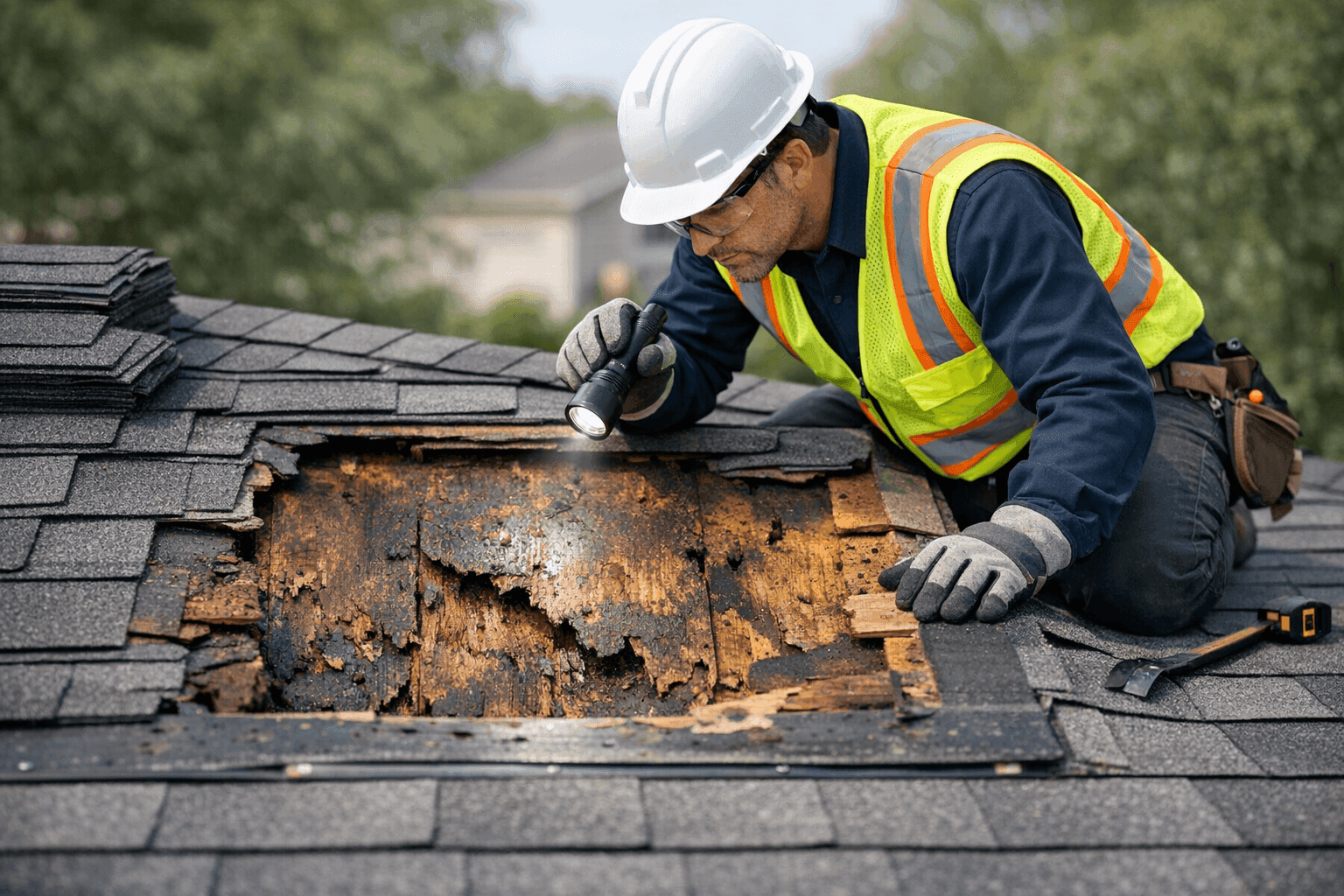
Is your roof trying to tell you something? Most homeowners and property managers never see their roof decking—but when something goes wrong, the signs can be loud and clear. Too often, damage hides until it’s causing bigger headaches. At KRB Contractors Roofing, we know the warning signs and the steps to take when your roof’s backbone is at risk.
A strong roof starts with solid decking. Think of it as the stage that supports every shingle, tile, or metal panel above. When decking suffers, your entire roofing system is at risk—from leaks to sagging ceilings and beyond. Let’s help you spot the trouble early.
What Causes Decking Damage? 🌧️
Your roof decking takes a daily beating from the elements. The causes of damage can sneak up on you:
- Water Intrusion: Leaks from missing shingles, broken tiles, or failed flashing let moisture soak the decking. Over time, even tiny drips can rot wood.
- Improper Ventilation: Trapped humidity in your attic is like a steamy sauna for wood. Without airflow, condensation builds up, leading to mold and decay.
- Pest Infestation: Termites, carpenter ants, and even birds can carve tunnels and nests in your decking.
- Aging Materials: Wood doesn’t last forever. Old decking becomes brittle, warps, and loses its strength.
- Storm Damage: Hail, wind, and heavy rain batter the roof. Flying debris or falling branches can crack or puncture panels.
- Poor Installation: Shortcuts on underlayment, fasteners, or flashing leave weak points that fail under stress.
Every roof is unique. That’s why regular inspections and care are so important.
Warning Signs Your Decking Is Failing
You can’t see your roof’s decking from the curb. But your home or building gives clues:
- Sagging or uneven rooflines: Like a drooping shelf, sagging means the support below is failing.
- Water stains on ceilings or walls: Brownish marks or bubbling paint mean water is sneaking in.
- Moldy or musty odors: Bad smells in your attic or upper floors could point to hidden moisture.
- Visible light through the attic: If sunlight peeks through the roof boards, gaps or rot are likely.
- Soft or spongy spots: Walking on the roof and feeling bounce or give is a red flag (leave this to a pro).
- Persistent leaks after repairs: If past fixes haven’t solved your leak, the decking below may be damaged.
If you notice any of these, don’t wait. Early action saves money and stress.
Your Roof Decking Inspection Checklist
Want to stay ahead of trouble? Here’s a simple inspection routine that property owners can follow safely from inside the attic and outside the building:
-
From the Attic:
- Check for sunlight peeking through roof boards.
- Look for water stains, mold, or damp insulation.
- Smell for musty odors.
- Listen for dripping during rain.
-
From the Exterior (with binoculars or from the ground):
- Scan for sagging rooflines or dips.
- Look for missing, cracked, or curling shingles and tiles.
- Inspect gutters for shingle granules or wood debris.
- Check soffits and fascias for rot or discoloration.
Note: Never climb onto the roof unless you are trained and it’s safe. According to OSHA safety guidelines, falls are the leading cause of construction injuries.
Repair or Replace? Making the Right Call
Here’s the million-dollar question: Can damaged decking be patched, or is it time for full replacement? The answer depends on two things—how much damage there is, and where it’s located.
- Minor Damage: Small, localized spots of rot or holes can sometimes be cut out and replaced with new wood. This is cost-effective and fast.
- Widespread Damage: If water or pests have spread across a large area, or if the decking is soft everywhere, a full replacement is safest.
- Structural Concerns: If the damage affects rafters, trusses, or framing, you need more than just decking repair. That’s when our Structural Repair team steps in.
A professional assessment from a roofing contractor ensures you don’t just cover up deeper problems. Always choose a service that inspects both above and below the surface.
Quick Safety Checklist For Homeowners
Staying safe is priority one. Here’s how:
- Never walk on a roof that feels soft, spongy, or has visible sagging.
- Use a flashlight in the attic—don’t rely on overhead lights.
- Wear a mask if you spot mold or suspect pests.
- Keep pets and children away from leak-prone areas until repairs are complete.
- If you see water actively leaking, move valuables and electronics to a safe spot.
If you’re unsure, call for a professional inspection.
DIY vs. Call a Pro: When to Get Help
Changing a lightbulb? Go for it. Replacing roof decking? That’s a whole different ballgame.
- DIY: Homeowners can safely check for leaks, stains, or smells from inside the attic. You can also clear gutters and downspouts to prevent water buildup.
- Professional: Any time there’s structural damage, visible sagging, or suspected rot, roofing specialists should take over. They have the tools and safety gear to handle repairs and replacements from start to finish.
Remember, roof work is risky and mistakes are costly. Call a pro for anything beyond minor maintenance.
What Pros Do When They Arrive
At KRB Contractors Roofing, our process is thorough and straightforward:
- Inspection: We look at your entire roofing structure, both inside and out.
- Moisture Detection: Using moisture meters, we find hidden water damage you can’t see.
- Decking Assessment: We check for soft spots, rot, and pest activity.
- Plan of Action: We’ll talk you through repair vs. replacement options—no surprises.
- Quality Repairs: Using industry-standard materials and best practices, we restore your roof’s backbone.
- Final Inspection: We won’t leave until we’re sure your roof is solid and safe.
We follow International Building Code (IBC) guidelines and local safety standards for every project.
Emergency Situations: When It Can't Wait
Some decking problems need urgent attention. Don’t wait if you see:
- Active water pouring into your attic or living space
- Roof sections caving or sagging after a storm
- Sudden appearance of large cracks or holes
In these cases, your safety comes first. Leave the building if there’s risk of collapse, and contact emergency roof repair services right away.
How Much Does Decking Repair Cost?
Costs depend on the extent of damage, materials, and roof accessibility. Factors include:
- Size of the affected area
- Type of decking material (plywood, OSB, plank)
- Labor and disposal fees
- Need for structural or framing repair
In general, catching problems early means smaller, less expensive fixes. Waiting can lead to bigger bills down the road.
How Long Will Repairs Take?
Most minor decking repairs can be finished in a day or two. Full replacements, or projects that uncover additional issues like pest or structural damage, may take several days. Weather, material availability, and building size all play a role.
Our crews work efficiently to minimize disruption and keep your home or business protected.
Common Mistakes to Avoid
- Ignoring early warning signs, hoping they’ll go away.
- Trying to patch rotted decking with sealant or paint—it won’t hold.
- Failing to address the source of moisture (like clogged gutters or bad flashing).
- Skipping professional inspections after major storms or leaks.
- Hiring unlicensed or uninsured contractors.
A little caution now protects you from bigger headaches later.
Prevention: Tips to Keep Your Decking Strong 🛠️
- Schedule annual inspections: Professional eyes spot trouble early.
- Keep gutters and downspouts clear: Blocked drainage is a main cause of water damage.
- Maintain attic ventilation: Use ridge vents, soffit vents, or fans to control humidity.
- Promptly fix leaks and missing shingles: Even small gaps let water in.
- Trim overhanging trees: Branches can damage roofing or invite pests.
- Choose quality materials: Investing in solid decking pays off in longevity.
For business owners, routine maintenance is even more vital—commercial roofs often cover much larger areas and have more at stake.
FAQ: Roof Decking Damage
Q: How often should roof decking be inspected?
A: Every year, and after any major storm or leak.
Q: Can I replace just part of my decking?
A: Yes, if the damage is limited. But widespread rot or structural issues mean full replacement is safest.
Q: What materials are best for new decking?
A: Plywood and OSB are most common. For high-moisture areas, treated wood or specialty panels may be recommended.
Q: Does insurance cover decking repair?
A: It depends on your policy and the cause of damage. Always document issues and consult your insurance provider.
For more information, refer to resources like the National Roofing Contractors Association (NRCA) and the International Building Code.
Seasonal Considerations: Protecting Decking Year-Round
- Spring: Check for winter damage—look for new leaks or stains.
- Summer: High heat can dry out wood, making it brittle; ensure proper attic ventilation.
- Fall: Clear leaves and debris from gutters and inspect for storm-related issues.
- Winter: Watch for ice dams, which can force water beneath shingles and onto decking.
Planning ahead keeps your roof strong in every season.
The Role of Decking in Your Roofing System
Decking isn’t just a surface. It’s the backbone that holds everything together—shingles, tiles, underlayment, insulation, even skylights and chimneys. Weak decking risks the entire structure, from insulation to interior drywall.
If your property needs decking repair, Decking or other roofing services, don’t wait.
Ready for a Safer, Stronger Roof?
KRB Contractors Roofing is here to help with every step, from inspection to repair or replacement. Don’t let hidden decking issues catch you off guard—protect your investment and your safety.
Call KRB Contractors Roofing now — or reach us anytime at 855-528-1936 .