Roof Cap Services: What They Are and Why They Matter
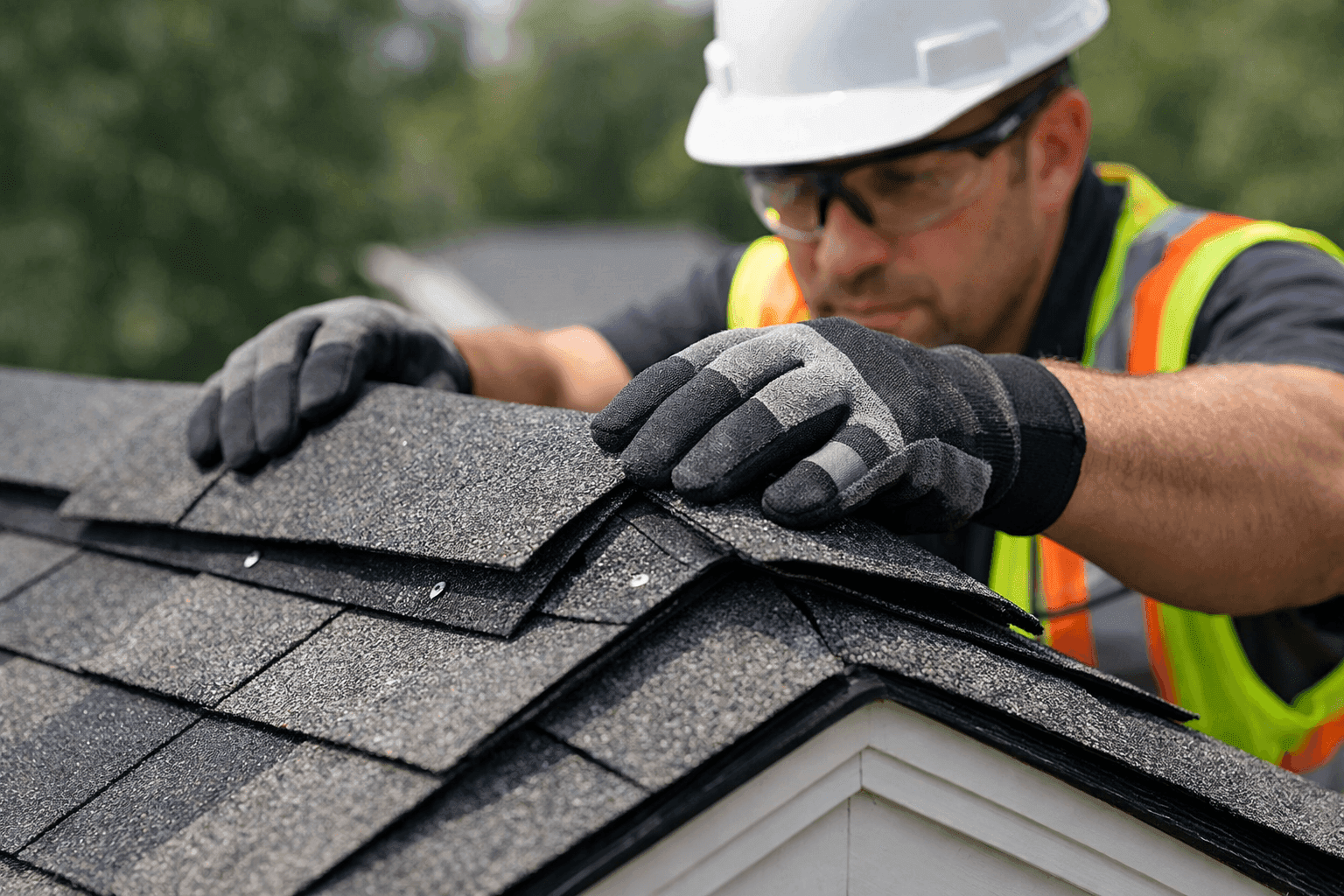
When you look at a roofline, you see strength, protection, and style. But hidden at the very top—like the final puzzle piece—are roof caps. These small but mighty components often stand between your property and major water damage.
Whether you own a cozy home or manage a busy commercial building, understanding roof caps is key. Ignoring them? That’s like leaving your car windows down in a rainstorm.
What Are Roof Caps?
A roof cap is the finishing touch on your roof’s peaks and ridges. It’s not just decorative. Think of it as the helmet that shields your roof’s most vulnerable seams, where two slopes meet.
Ridge caps run along the top of your roof, while hip caps cover the angles where roof sides converge. Both are designed to keep out wind, rain, snow, and even pesky critters. Without them, your roof’s defenses are incomplete.
Functions of Ridge and Hip Caps 🛡️
Why do roof caps matter so much? Here’s what they do:
- Seal the seams: The intersection of roof planes is a magnet for water. Caps block this entry point.
- Prevent leaks: By covering nail holes and open joints, they stop water from sneaking in.
- Secure the roofline: They hold shingles in place and help the roof resist strong winds.
- Add the finishing touch: Roof caps give your home or building a tailored, professional appearance.
It’s like the zipper on a jacket—without it, everything underneath is exposed.
Common Problems with Roof Caps
Roof caps can face trouble over time, especially in harsh weather. Here’s what to watch out for:
- Cracked or missing caps: Shifting temperatures, hail, and UV rays can cause cracks or breakage.
- Improper installation: Gaps, misaligned pieces, or the wrong materials lead to leaks.
- Loose nails or screws: Caps that aren’t tightly secured may get blown away in a storm.
- Moss and debris buildup: Moisture can get trapped, causing rot or mold.
Small issues can snowball into major leaks or structural damage if left unchecked.
Installation and Repair: What Goes Into It?
Installing or repairing a roof cap isn’t just a matter of nailing down a shingle. It’s a precise job that protects the whole house.
Here’s what professional roofing contractors do:
- Inspection: Assess the roof’s condition and check for underlying issues.
- Preparation: Remove damaged caps, clean the ridge or hip, and check for rot.
- Underlayment: Install a waterproof barrier for extra protection.
- Placement: Align new caps, overlapping them correctly to shed water.
- Fastening: Use corrosion-resistant nails or screws placed at the right intervals.
- Sealing: Apply high-quality sealant as needed at vulnerable joints.
If you need repairs, it’s best not to wait. A small gap can let in gallons of water during a single storm. See our Roof Repair page for more details.
DIY vs. Call a Pro
Tempted to fix roof caps yourself? It’s like climbing a ladder with a blindfold. Working at heights, handling tools, and knowing roofing codes all require skill and experience.
For small, visible debris, you might gently clear it off. But for any cap replacement, flashing repair, or leak investigation, call a roofing contractor. It’s safer, faster, and ensures the job is done right—especially for complex systems like Tile Roofing near you or metal roofs.
Safety Checklist Before Any Roof Cap Work
Safety comes first. Before anyone goes up, make sure:
- The ladder is rated for your weight and securely placed
- Shoes have slip-resistant soles
- Weather is dry and calm (never work on icy or wet roofs!)
- Tools are in good condition
- You have a spotter or helper on the ground
Professional crews also follow OSHA guidelines and local codes—critical for both residential and commercial roofing.
How Roof Caps Prevent Leaks
Water finds every weakness. Roof caps, when properly installed and maintained, stop water from sneaking into the very top seams of your roof. They direct rain and melting snow down the roof’s slopes and safely into gutters.
A missing or shifted cap is like leaving the front door ajar during a storm. Even a tiny gap can let water travel underneath, soaking insulation, framing, or drywall. Over time, this can lead to mold, rot, and expensive repairs.
Materials: What Are Roof Caps Made Of?
Roof caps come in a variety of materials, matched to your roof type:
- Asphalt shingles: The most common for residential roofs.
- Metal: Used for commercial and metal roofing systems.
- Tile or clay: Custom-fitted for tile roofs.
- Synthetic: Lightweight, durable options for specialty roofs.
Each has its pros and cons. The key is to choose a cap that matches your main roofing material for both performance and curb appeal.
Signs Your Roof Caps Need Attention 🕵️
Stay alert for these warning signs:
- Water stains on ceilings, especially after storms
- Visible gaps at roof peaks or hips
- Shingles curling or missing near the ridge
- Unusual drafts or increased energy bills
- Moss or plants growing along roof seams
If you spot any of these, it’s time for a professional inspection. Preventative maintenance saves money in the long run.
Maintenance Tips for Long-Lasting Roof Caps
A little care goes a long way. Here’s how to help your roof caps perform year after year:
- Inspect twice a year: Especially after heavy storms or wind events.
- Clean off debris: Leaves, branches, and moss can trap moisture.
- Check for loose nails: Replace or retighten as needed.
- Seal small cracks: Use a high-quality roofing sealant.
- Schedule regular inspections: A roofing company can spot issues you might miss.
Annual or semi-annual checkups are recommended by the National Roofing Contractors Association (NRCA).
Roof Cap Services for All Roof Types
Whether you have shingles, tile, metal, or a flat system, roof caps are essential. At KRB Contractors Roofing, our cap services cover every detail—from leak repair to new roof installations.
We handle residential and commercial projects, including new construction and storm damage restoration. See our full Cap Services and Roof Replacement for more information.
Emergency Roof Cap Repairs
When a storm rips off a ridge cap or a tree branch breaks the roofline, it’s an emergency. Fast action can prevent thousands in water damage. Our team can be on-site quickly to assess, secure, and restore your roof—minimizing disruption and risk.
Timeline & Disruption: What to Expect
Most roof cap repairs or replacements can be done in a day or less for residential properties. Commercial jobs may take longer, especially for large or complex roofs.
During installation:
- Noise is minimal compared to full roof replacement
- You may need to clear driveways or walkways
- Our team keeps the site tidy and safe
We work efficiently to keep your home or business protected—with as little disruption as possible.
Seasonal Considerations
Roof caps face extra stress in certain seasons:
- Winter: Freeze-thaw cycles can crack or loosen caps.
- Spring: Heavy rains test every seam for leaks.
- Summer: UV rays can age materials prematurely.
- Fall: Leaves and debris collect, trapping moisture.
Schedule inspections and maintenance before extreme weather hits. Prevention is always cheaper than emergency repairs.
Common Mistakes to Avoid
- Ignoring small leaks or stains
- Using the wrong materials for your roof type
- Overlooking ventilation needs near the ridge
- Skipping regular inspections
- Attempting DIY repairs without proper safety gear
Correcting these mistakes early protects your investment.
FAQ: Quick Answers About Roof Caps
Q: How long do roof caps last?
A: With proper installation and care, asphalt caps can last 15-30 years, metal even longer.
Q: Are roof caps required by code?
A: Yes. Most local building codes require caps on ridges and hips for weather protection. Always consult the International Residential Code (IRC) and local ordinances.
Q: Can I just replace the caps, not the whole roof?
A: In many cases, yes. But a pro should check for underlying issues first.
Why KRB Contractors Roofing for Your Cap Services?
We know every roof is unique. Our team brings decades of hands-on experience with every material and structure, whether you need Tile Roofing near you, flat roofing help, or a full system evaluation.
We serve both homes and businesses, including those searching for a trusted roofing contractor in Burlington.
Take a proactive step—don’t let small roof cap issues turn into big, expensive headaches. Call KRB Contractors Roofing now — or reach us anytime at 855-528-1936 .