The Role of Roof Ventilation in Preventing Mold and Moisture Problems
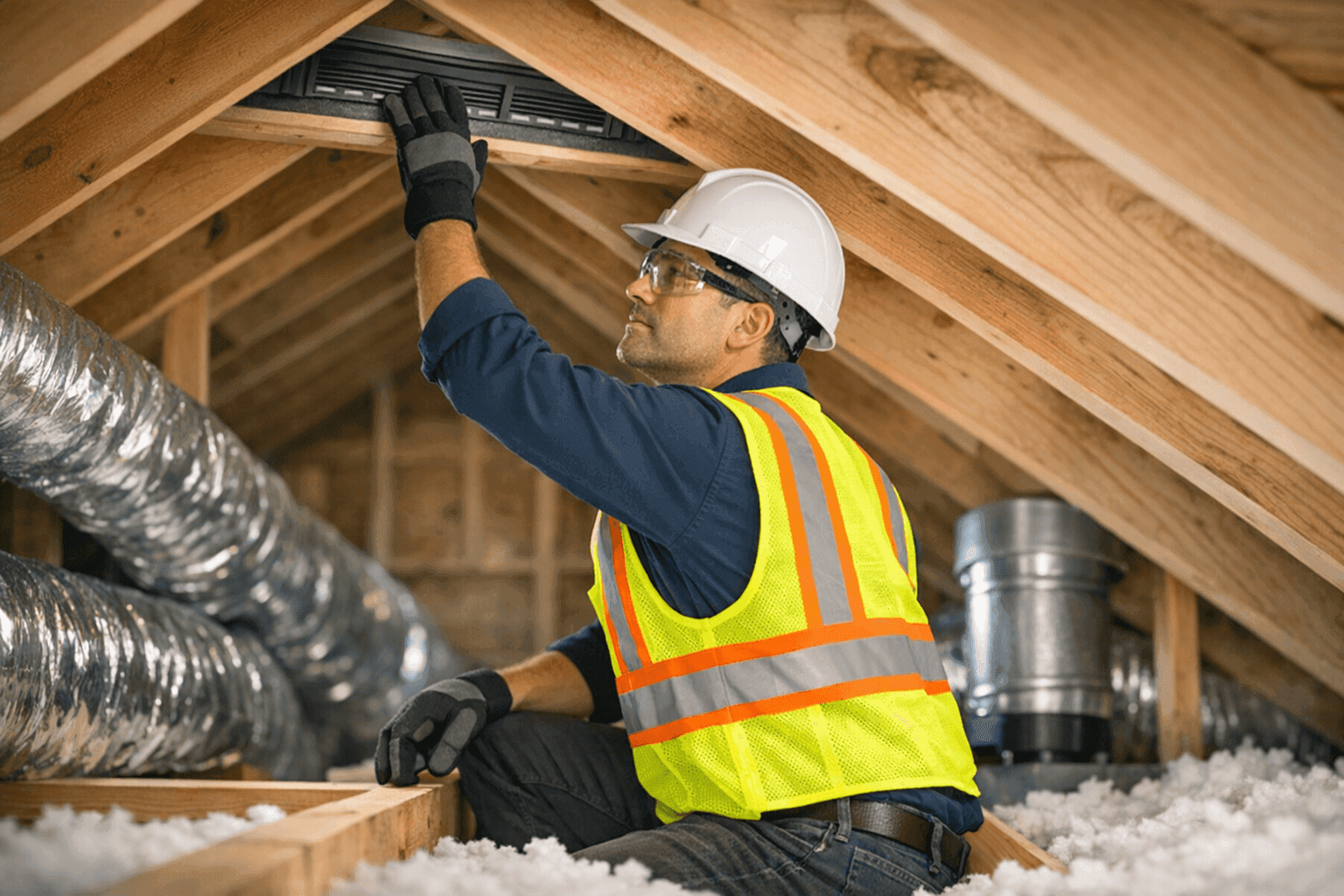
Most people don’t think about their roof until something goes wrong. Maybe you spot a water stain on the ceiling, or the air inside feels damp and musty. Mold can sneak up quietly, but its effects are anything but silent.
At KRB Contractors Roofing, we’ve seen firsthand how quickly a small ventilation problem can turn into a big, expensive issue. Let’s break down why roof ventilation matters—and how you can keep your home or business mold-free using proven, science-backed strategies.
Why Mold Grows in Roofs
Moisture is like a magnet for mold. When warm, humid air rises from inside your building and meets a cold roof deck, condensation forms. Think of it like the dew on your grass each morning, but hidden up in your attic. Over time, that moisture becomes the perfect breeding ground for mold spores.
Here’s why roofs are so vulnerable:
- Trapped Air: Without airflow, hot air and moisture get stuck inside your attic or under your roof deck.
- Leaky Roofs: Even the tiniest leak can introduce enough water to start a mold colony.
- Poor Insulation: Inadequate or misplaced insulation can make condensation worse.
- Weather Extremes: Snow, rain, and humidity all add to the risk, especially if your roof can’t “breathe.”
The Centers for Disease Control and Prevention (CDC) warns that mold exposure can trigger allergies, asthma, and other respiratory problems. It’s not just about comfort—it’s about your health.
The Science Behind Roof Ventilation 🛠️
Ventilation is your roof’s way of exhaling. Imagine wearing a raincoat on a hot, muggy day with all the zippers closed. You’d feel clammy and uncomfortable fast. Roofs feel the same when airflow is blocked.
Proper ventilation does three jobs:
- Removes Warm, Moist Air: Vents let hot, moist air escape before it condenses.
- Balances Temperature: This prevents ice dams in winter and heat buildup in summer.
- Protects Materials: Shingles, decking, and insulation last longer when they stay dry.
Building codes like the International Residential Code (IRC) require minimum ventilation rates. That’s not just a suggestion—it’s a proven way to avoid rot, mold, and costly repairs.
Best Practices for Roof Airflow
So, what does good ventilation look like?
Here’s what we recommend at KRB Contractors Roofing:
- Intake and Exhaust: Air should flow in through soffit (intake) vents and out through ridge or roof vents (exhaust).
- Unblocked Pathways: Insulation baffles keep airflow open. Never cover vents with insulation.
- Balanced System: Too much exhaust without enough intake can actually pull conditioned air from your home, wasting energy.
- Regular Checks: Dust, nests, and debris can block vents over time.
For flat roofs or commercial buildings, specialized systems like mechanical ventilation or low-profile vents may be needed. Our ventilation and insulation service covers both residential and commercial needs.
Warning Signs of Poor Ventilation 🚩
You don’t need to be a roofing pro to spot trouble. Watch for these red flags:
- Musty, damp odors in the attic or upper floors.
- Frost or water droplets on rafters in winter.
- Peeling paint or blistering shingles.
- High energy bills from AC or heating running overtime.
- Visible mold or mildew patches—especially near roof edges or skylights.
If you notice any of these, it’s time for an Inspections.
How Mold and Moisture Damage Your Roof
Mold and trapped moisture are like termites for your roof—slowly chewing away at its strength. Here’s what can happen:
- Wood Rot: Rafters and decking soften and lose their load-bearing power.
- Insulation Collapse: Wet insulation clumps and loses effectiveness, driving up energy costs.
- Shingle Deterioration: Mold eats away at the underside of shingles, shortening their life.
- Metal Corrosion: Moisture can rust metal fasteners, flashing, and vents.
Fixing these problems is much more expensive than preventing them in the first place.
Seasonal Factors: Different Risks, All Year Long
- Winter: Ice dams trap water, forcing it under shingles. Moist air condenses on cold surfaces, fueling mold.
- Spring: Rainy weather and thawing snow can overwhelm old or clogged vents.
- Summer: Hot attics “cook” moisture, speeding up mold growth.
- Fall: Falling leaves clog gutters and soffit vents, blocking airflow.
A quick roof check each season can catch problems before they grow.
DIY or Call a Pro?
Some things you can handle yourself. Others need professional eyes—and tools.
DIY:
- Clear visible blockages from soffit or ridge vents.
- Check for signs of water stains or musty smells.
- Make sure attic insulation doesn’t block airflow.
Call KRB Contractors Roofing for:
- Full attic and roof inspections.
- Mold remediation and leak repair.
- Installation of new venting or insulation systems.
- Roof repair if you spot wood rot, shingle damage, or flashing issues.
Remember, safety comes first. Climbing on roofs or working in tight attic spaces can be dangerous.
What to Expect During a Professional Inspection 🕵️
When you call a roofing contractor, here’s what happens:
- Visual Assessment: Checking vents, soffits, and attic spaces for blockages, leaks, and mold.
- Moisture Measurement: Using specialized tools to detect hidden dampness.
- Insulation Review: Making sure insulation is dry and not covering vents.
- Ventilation Calculation: Ensuring intake and exhaust are balanced for your roof type.
We always follow OSHA safety guidelines and local building codes for your peace of mind.
Simple Steps to Prevent Mold and Moisture
- Keep gutters and downspouts clear so water flows away from your home.
- Don’t store cardboard or fabric in attics—they trap moisture.
- Use bathroom and kitchen exhaust fans to reduce indoor humidity.
- Schedule a professional roof inspection at least once a year.
- Upgrade to modern ventilation systems if your home is older.
Upgrading Your Roof’s Ventilation System
Today’s roofing systems offer more options than ever. Here are a few:
- Ridge Vents: Run along the roof peak for passive, even airflow.
- Solar or Mechanical Fans: Boost airflow in larger or flat-roofed buildings.
- Soffit Vents: Provide low-level intake that works with ridge vents.
- Smart Moisture Barriers: Modern underlayments block water but let vapor escape.
If you’re considering [Tile Roofing near you], or updating to metal or shingle systems, make sure your ventilation is up to code and sized for your space.
Common Mistakes to Avoid
- Blocking vents with insulation or storage.
- Ignoring small leaks or stains.
- Using the wrong type of vent for your roof style.
- Forgetting about ventilation during roof replacements or upgrades.
Small mistakes can lead to big headaches down the road.
Emergency Situations: When Mold is Already a Problem 🚨
If you see visible mold, don’t ignore it. Mold spreads fast and can cause health issues—not just for people, but for your building’s structure.
- Limit access to affected areas.
- Avoid disturbing moldy surfaces (it releases spores).
- Call a professional for safe, thorough remediation.
Quick action can save your roof and your property.
Codes, Safety, and Industry References
Always follow industry-best practices. The International Residential Code (IRC), National Roofing Contractors Association (NRCA), and U.S. Environmental Protection Agency (EPA) all provide guidelines on ventilation, insulation, and moisture control.
Timeline and Costs: What to Expect
- Inspection: Usually takes 1-2 hours.
- Minor Vent Repairs: Often completed same-day.
- Full Ventilation Upgrade: Can take 1-2 days, depending on roof size and design.
- Mold Remediation: Timeline varies by severity; always handled with care.
Investing in ventilation now saves money on future roof repair and extends the life of your roofing.
Frequently Asked Questions
How often should I inspect my roof ventilation?
At least once a year, or after severe weather.
Can I add more vents to my existing roof?
Usually yes, but placement and type matter. Pros can assess your setup.
Will better ventilation lower my energy bills?
Yes! Balanced airflow keeps your home cooler in summer and drier in winter.
Is roof ventilation important for both residential and commercial buildings?
Absolutely. The science is the same, but the scale and system may differ.
Local Support, Reliable Results
Whether you need attic ventilation, leak repair, or a full roof upgrade, our team at KRB Contractors Roofing is ready. For those searching for reliable roofing services or Inspections, we’re here to help.
A little prevention goes a long way. Don’t let mold or moisture take over your property—give your roof the breath of fresh air it needs.
Call KRB Contractors Roofing now — or reach us anytime at 855-528-1936 .