Preparing Your Roof for Storm Season: Proactive Steps for Safety
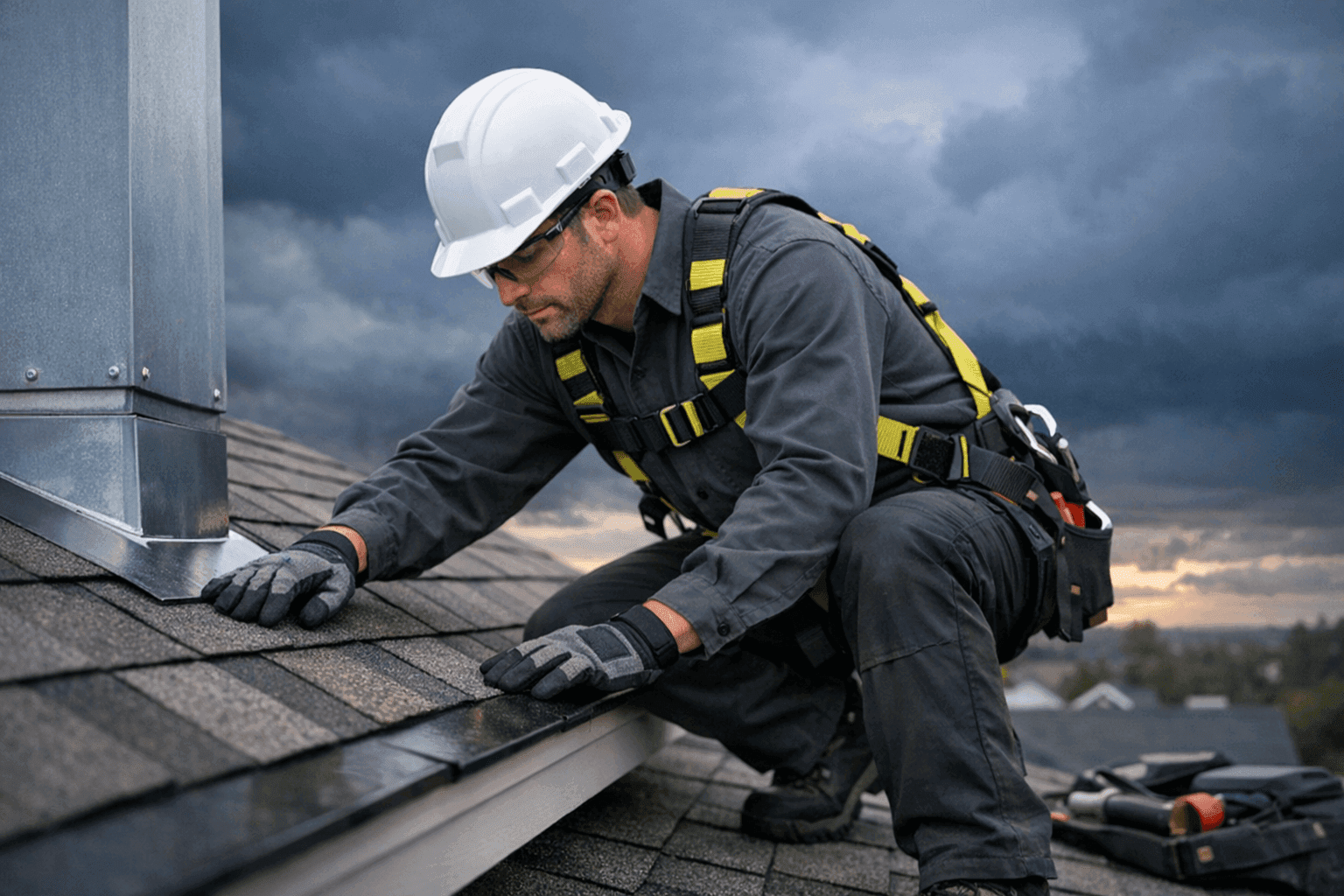
Storm season doesn’t announce its arrival. It barrels in—wind howling, rain hammering, and hail pounding. Your roof stands between your home or business and the elements. At KRB Contractors Roofing, we know how vulnerable a roof can be if left unchecked. Preparation isn’t just smart—it’s necessary.
Every year, property owners face costly repairs because they weren’t ready. A little work now saves a world of stress later. Let’s walk through what you can do to get your roof storm-ready—step by step.
Why Prepare for Storms? 🌧️
A roof is more than shingles or tiles. It’s your shield against nature’s worst. Hurricanes, high winds, and hail can test even the strongest materials. Without preventative measures, small issues become major problems—fast.
Think of your roof like a knight’s armor. A loose plate? That’s an invitation for trouble. According to the International Building Code (IBC), even minor breaches can lead to big leaks, structural damage, and interior flooding. Preparation means less damage, fewer headaches, and lower costs.
Pre-Storm Inspection Checklist
A thorough inspection is the foundation of storm safety. Here’s what to check before the clouds roll in:
- Shingles, Tiles, or Metal Panels: Check for cracks, curling, loose, or missing materials.
- Roof Flashing: Look for gaps or rust around chimneys, vents, and skylights. This is a common leak point.
- Gutters and Downspouts: Clear debris. Make sure water can flow freely.
- Sealants and Coatings: Inspect for peeling or worn areas, especially around roof penetrations.
- Attic and Decking: Check for signs of water stains or mold.
- Ventilation and Insulation: Ensure vents are clear and insulation is dry.
It’s best to do this safely from the ground or attic. Never walk a roof unless trained and equipped. Not sure what you’re seeing? That’s a good time to call a roofing specialist.
Reinforcement Upgrades
Not all roofs are built the same. But any roof can benefit from targeted reinforcements:
- Roof Flashing Repair: This metal barrier keeps water from seeping in at joints. Tighten or replace as needed.
- Sealant Touch-Ups: Modern, flexible sealants can handle expansion and contraction better than older tar.
- Hurricane Straps and Fasteners: For areas prone to hurricanes, these can keep your roof anchored against fierce winds. Local codes (like those from FEMA) often require specific upgrades.
- Decking Reinforcement: If your decking feels soft or shows signs of rot, it’s time for repair.
Not every fix is DIY-friendly. Professional roofing services can spot weaknesses that homeowners might miss.
Emergency Supplies to Keep Handy
Mother Nature doesn’t wait for your schedule. When a storm threatens:
- Tarps: Heavy-duty tarps can temporarily cover damaged areas.
- Roof Patch Kits: For small leaks, a patch can buy you time.
- Flashlights and Batteries: Never underestimate the power going out.
- Roof Inspection Tools: Binoculars and a camera for safe, remote checks.
- Contractor Contact: Know who to call for 24/7 emergency roofing help.
Post-Storm Recovery: What to Do Next ⛈️
When the skies clear, don’t breathe easy just yet. Storms can leave behind hidden damage:
- Visual Inspection: Walk the property. Look for debris, missing shingles, sagging gutters, or ceiling stains inside.
- Document Everything: Photos and notes are vital for insurance claims.
- Call for a Professional Inspection: Even if things look fine, a pro can spot subtle problems—especially with flat roofs, roof flashing, and skylights.
- Don’t Delay Repairs: Small problems worsen fast. From tile roofing to gutter repair, prompt action matters.
KRB Contractors Roofing is ready to help with Storm Damage Restoration or Roof Flashing Repair if needed.
Common Mistakes That Jeopardize Your Roof
- Ignoring Small Leaks: A drip today can mean soaked insulation and ruined drywall tomorrow.
- Neglecting Gutters: Overflowing gutters back up water, leading to rot and foundation damage.
- DIY Repairs Without Know-How: Quick fixes can void warranties or worsen the problem.
- Skipping Annual Maintenance: Out of sight, out of mind—until it’s too late.
Materials That Stand Up to Storms
Choosing the right roof matters. Metal roofing, impact-rated shingles, and modern tile roofing are all designed to withstand severe weather. For flat roofs, reinforced membranes and coatings offer added protection.
Ask about eco-friendly options for added durability and energy savings.
Timeline & Disruption: What to Expect
Most inspections take a few hours. Minor repairs might be done the same day. Larger projects like roof replacement or decking repair will take longer but are best done before storm season peaks.
You don’t need to put your life on hold. A professional roofing contractor works efficiently and safely, minimizing disruption.
When It’s an Emergency
If you spot a major leak, downed tree, or visible structural damage—act fast. Secure the area, cover exposed sections with tarps, and call for emergency services. Your safety comes first.
DIY vs. Call a Pro
Some tasks—like clearing gutters—are safe for most homeowners. But for anything involving heights, electricity, or structural repairs, leave it to a roofing company. Falls and mistakes are all too common.
Prevention & Maintenance
An ounce of prevention beats a pound of cure. Schedule regular checkups: once before storm season, once after. Document everything for your records (and insurance).
For those searching for Preventative Maintenance in the area, KRB Contractors Roofing offers thorough, professional service.
Frequently Asked Questions
How often should I inspect my roof?
At least twice a year—ideally before and after storm season.
What are signs I need roof flashing repair?
Water stains around chimneys, or visible rust and gaps in the metal.
Can I replace shingles myself?
It’s possible, but you risk voiding warranties and missing hidden damage.
Are gutter guards worth it?
For many, yes. They keep out leaves and reduce clogging, but still require occasional cleaning.
What codes should I follow?
Always check with your local building department. The International Residential Code (IRC) and International Building Code (IBC) are good starting points.
Seasonal Considerations
Spring and fall are ideal times for inspections. But after any major storm—wind, hail, or heavy rain—check your roof again. Waiting too long can let small issues grow.
Signs of Trouble: Don’t Ignore
- Curling, cracked, or missing shingles
- Water stains on ceilings or walls
- Sagging roof lines
- Loose or hanging gutters and downspouts
- Mold or mildew in the attic
Costs & Time Factors
Preventative maintenance is almost always cheaper than emergency repair. Budget for annual checkups. Small fixes now mean big savings later.
Real-World Steps for Homeowners & Businesses
- Schedule a professional inspection before storm season.
- Clean gutters and downspouts.
- Repair damaged flashing and replace missing shingles.
- Stock up on tarps and patch kits for emergencies.
- Make a list of emergency contacts—including your roofing contractor.
Storm season isn’t just a forecast—it’s a test. Your roof deserves the best chance to pass. KRB Contractors Roofing stands ready with the tools, experience, and services you need to stay safe and dry, no matter what blows in.
Call KRB Contractors Roofing now — or reach us anytime at 855-528-1936 .