New Roof Installation: Planning, Timeline, and What to Expect
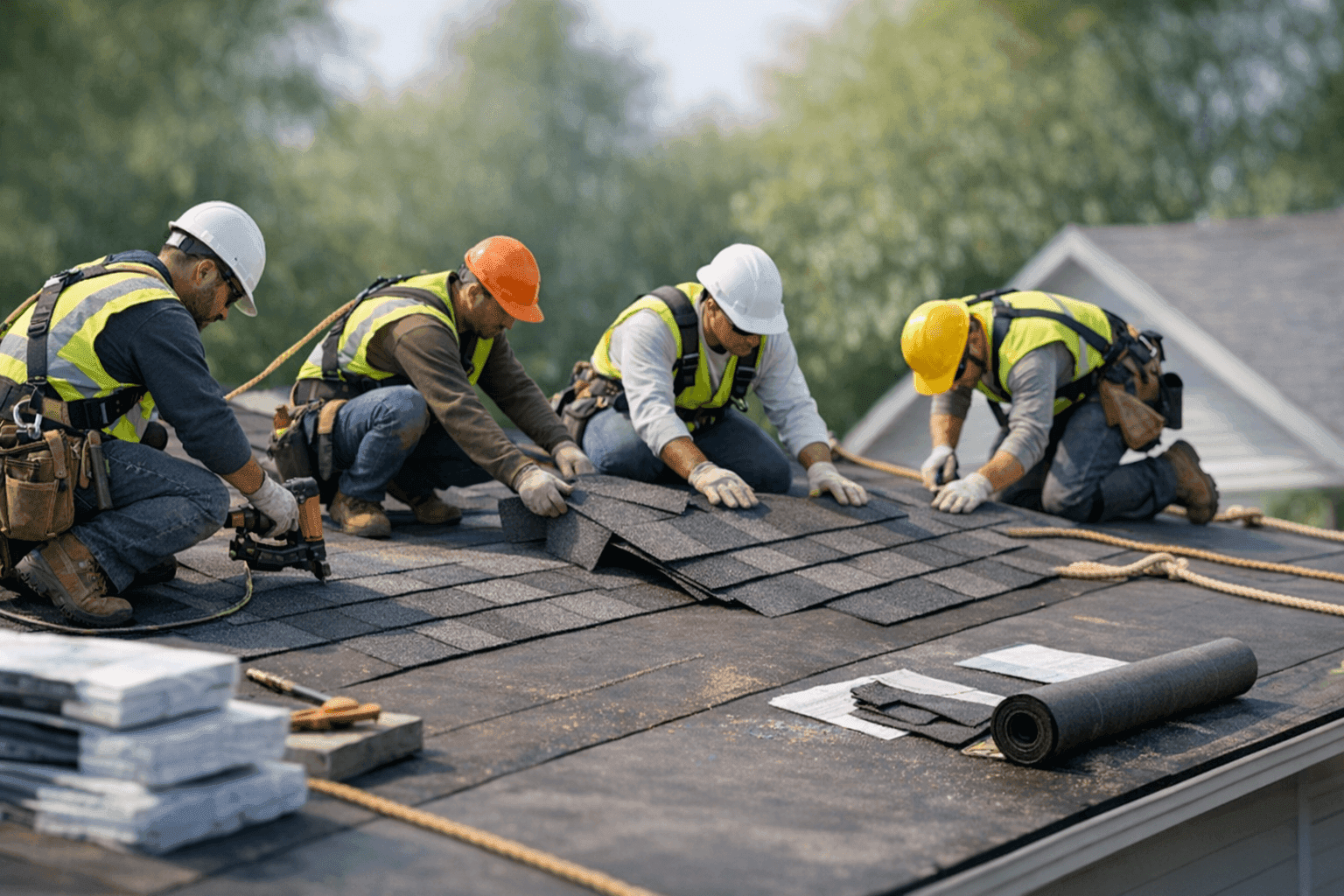
Thinking about a new roof can feel overwhelming—like staring up at a mountain, unsure where the trail begins. Roofs protect everything beneath them, so it’s natural to want every detail right. At KRB Contractors Roofing, we know each project is personal, and we’re here to help you chart a clear path forward.
Whether you’ve spotted leaks, weathered a storm, or just noticed your shingles showing their age, it’s smart to plan ahead. Let’s break down the process, so you know what’s coming, what to expect, and how to avoid common bumps in the road.
Why Install a New Roof?
Most roofs don’t shout for attention until there’s a problem. Maybe water stains bloom on your ceiling after heavy rain. Or shingles start curling at the edges, waving for help. Sometimes, it’s just the clock—20 years on a shingle roof can mean it’s time.
A new roof isn’t just a fix. It’s a shield. It boosts curb appeal and property value. It can even cut energy bills if you upgrade insulation or ventilation during installation. For commercial buildings, it’s about protecting inventory, employees, and business continuity.
Common reasons for a new roof:
- Persistent leaks or water damage
- Storm, hail, or wind damage
- Old age (most shingle, tile, or flat roofs have a lifespan)
- Major renovations or additions
- Upgrading to eco-friendly or energy-efficient materials
If you’re unsure, a professional Inspections is a smart first step. Roofers can spot trouble you might miss and help you weigh repair versus replacement.
Planning and Budgeting 📝
A new roof is a significant investment, like replacing the brakes on your car—essential for safety, but you want it done right the first time. Good planning prevents expensive surprises.
Key steps to plan:
- Get a detailed inspection and written estimate. This forms your project roadmap.
- Set a realistic budget. Factor in materials, labor, permits, and potential surprises (like hidden decking damage).
- Review your insurance. Some storm or hail damage may be covered.
- Schedule at the right time. Spring and fall are popular, so book early if you can.
Pro tip: Always check local building codes and permit requirements. The International Building Code (IBC) and your city’s ordinances may affect allowable materials or installation methods.
Choosing Materials That Match Your Needs
Picking roofing materials is like choosing shoes for a journey—performance matters, but style counts too.
Popular options:
- Shingle Roofing: Affordable, versatile, and quick to install. Great for most homes.
- Tile Roofing: Durable and striking but heavier. Ideal for certain architectural styles.
- Metal Roofing: Long-lasting, energy-efficient, and eco-friendly. Good for both homes and businesses.
- Flat Roofs: Common for commercial spaces. Require special membranes and drainage.
- Eco-Friendly Options: Cool roofs, recycled shingles, or green roof systems.
Not sure what fits best? Our team will walk you through the pros and cons for your property and climate.
Safety First: Quick Checklist
Roof installation is no picnic. There are ladders, tools, heavy materials, and sometimes unpredictable weather.
Before work starts:
- Move vehicles, plan for limited driveway access.
- Keep pets and children away from work areas.
- Alert neighbors to upcoming noise and activity.
- Secure outdoor furniture, grills, or delicate landscaping.
Professional crews follow OSHA safety standards—hard hats, harnesses, and fall protection are non-negotiable.
Site Prep: Setting the Stage for Success
Imagine prepping a canvas before painting. Good site preparation leads to a smoother project.
What happens:
- Property protection: tarps and plywood shield landscaping and siding.
- Gutters are checked and sometimes removed.
- Old roofing materials are stripped off.
- Damaged decking is replaced if necessary.
Tip: Remove fragile wall hangings inside your home. Vibrations from hammering can cause them to fall.
Timeline: How Long Does New Roof Installation Take?
No one likes a project that drags on forever. Most residential roof installations take 1 to 3 days. Larger or more complex jobs—like commercial roofing or specialty materials—can stretch to a week or more.
Factors that affect timing:
- Roof size and pitch
- Material choice (tile and metal take longer than shingles)
- Unexpected repairs (like rot under old shingles)
- Weather delays
We’ll provide a timeline before starting, but always build in a little wiggle room. Rain, wind, or supply chain slowdowns sometimes play a role.
Installation Steps: What Pros Do On Arrival 🛠️
On installation day, the crew arrives early—often with a trailer for debris. Here’s what you can expect:
- Arrival and Setup: Crew briefing, safety check, and protective coverings in place.
- Tear-Off: Old materials are removed down to the decking.
- Decking Repair: Any rotten or damaged wood is replaced.
- Underlayment: Waterproof barriers are installed.
- Flashing & Leak Protection: Critical around chimneys, skylights, and valleys.
- Main Roofing Material: Shingles, tiles, metal panels, or membranes are installed.
- Ventilation & Insulation: Ensures roof breathes and your home stays comfortable.
- Gutter & Downspout Work: New installations or repairs as needed.
- Clean-Up: Magnet sweeps for nails, debris removal, and final walk-through.
Our team keeps you updated every step of the way.
Common Delays & How to Prepare
Even the best planning can’t outsmart Mother Nature. Rain, wind, or extreme temps can pause work. Sometimes, hidden damage (like wet insulation or rotten decking) pops up after tear-off.
To prepare:
- Store valuables in the attic elsewhere.
- Ask about tarp protection for exposed areas.
- Review the contingency plan with your project manager.
What to Expect: Noise, Dust, and Disruption
Replacing a roof is loud. There’s banging, scraping, and occasional vibrations. Think of it as a short symphony—intense, but over quickly.
Minimize disruption:
- Plan quiet indoor activities or off-site work.
- Let family, staff, or tenants know the schedule.
- Close windows and cover belongings in the attic.
After installation, crews do a thorough clean-up. Still, give your yard a once-over before letting kids or pets back outside.
Preventative Maintenance for Your New Roof
A new roof is an investment—think of it like a new car. Preventative maintenance keeps it performing for years.
Simple tips:
- Schedule regular Inspections, especially after storms.
- Clean gutters and downspouts every season.
- Watch for missing shingles, damaged flashing, or clogged vents.
- Address small leaks or drips immediately.
A little attention now pays off in fewer surprises later.
DIY vs. Professional Roofing: What’s the Difference?
Some home projects are perfect for weekend warriors. Roofing isn’t one of them.
Why? It’s dangerous, requires special tools, and must follow strict codes. Mistakes can void warranties or cause leaks that show up months later.
Hiring a professional roofing contractor means the job’s done safely and correctly. Plus, you get access to the right materials and installation techniques for your property.
Codes, Permits, and Safety Guidelines
Local codes protect you and your investment. They regulate everything from material types to venting and fire safety.
Always:
- Check with your city’s building department.
- Pull required permits before work starts.
- Ensure your contractor is licensed and insured.
The International Building Code (IBC) is the standard for most areas. Your roofer should know these rules inside and out.
Final Inspection: The Last Piece of the Puzzle 🕵️
Before the project wraps up, a thorough inspection is key. We walk the roof, check every flashing, shingle, and seam. Gutters, downspouts, and ventilation get a close look.
Some cities require a municipal inspection before final sign-off. This protects your home and ensures code compliance.
We answer your questions, review warranties, and make sure you’re happy before calling it complete.
FAQs: Quick Answers to Common Questions
How soon can you install a new roof?
Scheduling depends on the season and material availability. For urgent needs, ask about New Roof Installation.
How do I choose the best material?
We’ll help you weigh cost, durability, and appearance—every roof is unique.
Will my insurance cover this?
Damage from storms or accidents is often covered. Routine wear-and-tear usually isn’t.
How do I keep my new roof in good shape?
Annual inspections and seasonal maintenance are your best friends.
Seasonal Considerations for New Roof Installation
Spring and fall are ideal—mild weather means fewer delays. Winter installs are possible, but cold can affect materials and safety.
If you’re in an area with heavy snow or rain, consider timing your project when the forecast is clear. Our team works year-round, but we’ll always prioritize safety and quality.
Signs You Need a New Roof
Sometimes the signs are obvious—missing shingles, sagging spots, or daylight peeking through the attic. Other times, it’s subtle: granules in the gutters, curling edges, or higher utility bills.
If you’re seeing these signals, don’t wait for a major leak. Schedule an Inspections to catch issues early.
Avoiding Common Mistakes
Some pitfalls are easy to dodge if you know what to look for:
- Don’t skip the inspection phase.
- Avoid “quick-fix” overlays (new shingles over old ones can hide problems).
- Don’t hire uninsured or unlicensed contractors.
- Read your contract and warranty details thoroughly.
Your Roofing Project Checklist
Stay organized with this simple list:
- [ ] Schedule inspection and estimate
- [ ] Choose materials and review options
- [ ] Plan budget and confirm insurance details
- [ ] Review contract and timeline
- [ ] Prepare your property (inside and out)
- [ ] Communicate with neighbors or tenants
- [ ] Plan for pets, kids, and limited access
- [ ] Walk through the finished project with your roofer
Ready for a Stress-Free Roofing Experience?
A new roof is a big step—but with solid planning and the right team, it doesn’t have to be stressful. If you’re looking for roofing services or simply want honest answers about your options, KRB Contractors Roofing is here to help. We handle every detail, from inspection to final clean-up, so you can focus on what matters most.
Call KRB Contractors Roofing now — or reach us anytime at 855-528-1936 .