New Construction Roofing: Planning for Long-Term Success
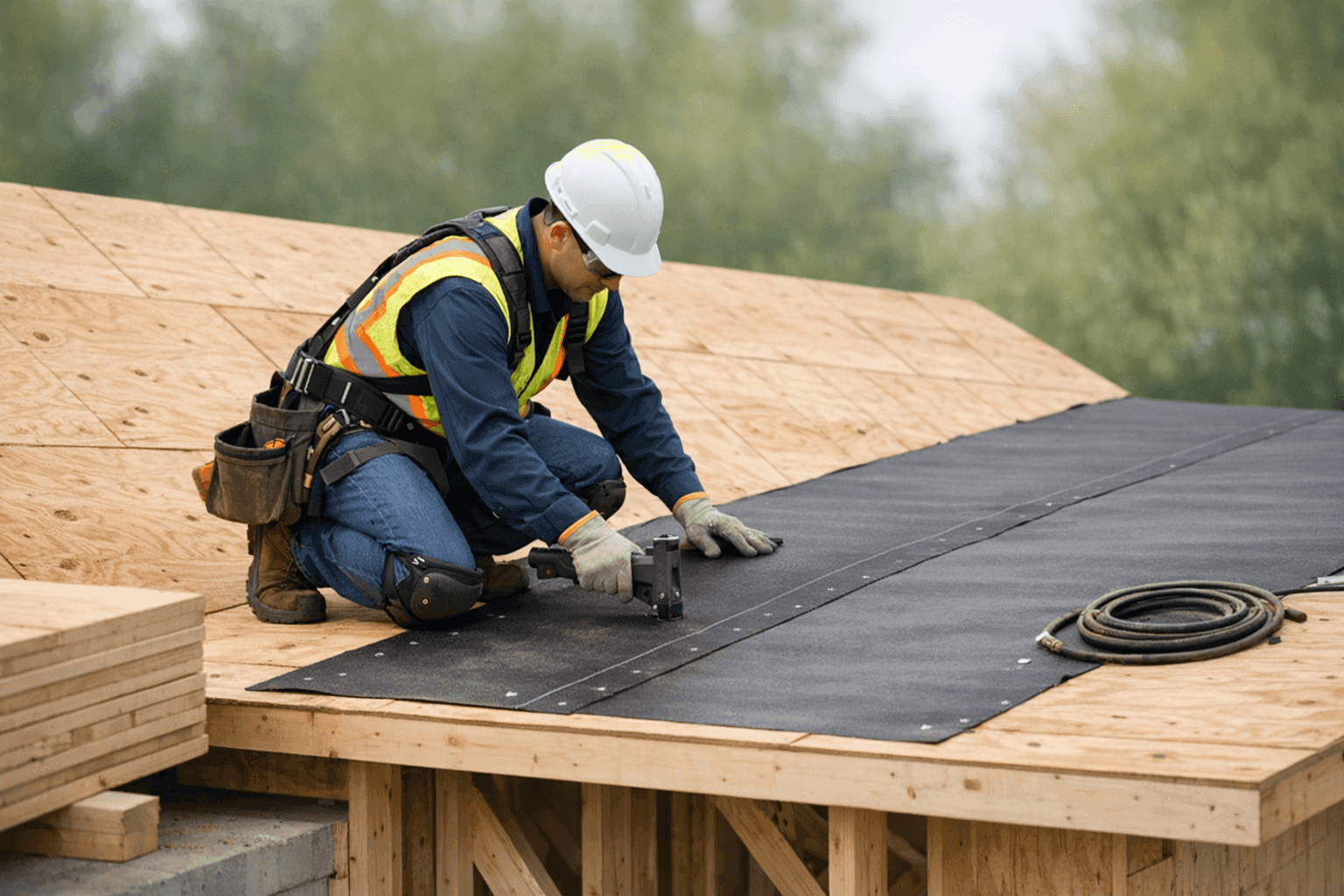
Starting a new building project is like putting together a puzzle—every piece must lock tightly, or you'll notice gaps down the road. The roof? It's the lid that keeps everything protected. At KRB Contractors Roofing, we know the stakes. Get the roof right, and you set yourself up for years of comfort, safety, and savings.
Homeowners and business owners often focus on what’s below the ceiling, but the real security happens above. If you’re investing in new construction, the roofing decisions you make now can mean the difference between a worry-free future and headaches from leaks or energy loss. Here’s what you need to know for roofing that lasts.
Why Roofing Matters in New Construction 🏠
Think of the roof as your building’s shield. It takes the brunt of rain, wind, sun, and everything in-between. A well-planned roof does more than keep things dry—it prevents mold, protects your investment, and keeps your energy bills steady.
But not every roof is created equal. From [Tile Roofing near you] to advanced flat roofing systems, the right choice depends on your climate, building type, and long-term plans.
Quick Facts:
- Roofs are your first line of defense against storms and heat.
- Poor installation can void warranties or insurance.
- Good roofing adds value and curb appeal.
Material Selection: Building for the Future
Not all roofs wear the same armor. Material makes a difference—sometimes the biggest difference of all.
Popular Roofing Materials
- Shingle Roofing: Reliable, affordable, and easy to repair. Great for most homes.
- Tile Roofing: Timeless look, sturdy, and resistant to fire. It’s heavy, so your structure must be ready.
- Metal Roofing: Long lifespan, reflects heat, and stands up to tough weather.
- Flat Roofs: Essential for many commercial buildings, but need expert installation to avoid leaks.
- Eco-Friendly Options: Cool roofs, recycled shingles, or green roofing systems help with sustainability.
Tip: Always ask about the lifespan and maintenance needs for your chosen material. The National Roofing Contractors Association (NRCA) is a solid resource for comparison.
Decking: The Backbone of Your Roof
Imagine decking as the foundation for your roof—what everything else rests on. If it’s weak, the whole system suffers.
- Choose the right thickness. Building codes (such as those from the International Building Code) set minimum standards, but local conditions might demand more.
- Use moisture-resistant materials. Plywood or oriented strand board (OSB) are popular, but quality matters.
- Check for ventilation gaps and support. Decking must be installed with proper spacing and structural support.
Explore our Decking service for details on robust roof foundations.
Insulation and Ventilation: Hidden, But Vital
You can’t see insulation and ventilation, but you’ll feel their absence—higher bills, musty smells, or ice dams in winter. Proper airflow and insulation keep your attic dry and temperature steady.
- Ventilation: Ridge vents, soffit vents, and mechanical fans move hot air out and fresh air in.
- Insulation: Batts, spray foam, or blown-in—each has its place. Local codes set minimum R-values (resistance to heat flow).
If you’re unsure, check ENERGY STAR’s guidelines for insulation and ventilation best practices.
Want to dig deeper? Visit our Ventilation & Insulation service.
Energy Efficiency: Planning for Savings
A roof is more than shelter—it’s a key player in your building’s energy story. The right combination of color, material, and ventilation can save you thousands over the years.
- Cool roofs reflect sunlight and keep interiors cooler.
- Insulation acts as a cozy blanket, reducing heating and cooling needs.
- Skylights and solar tubes bring in natural light but need expert flashing to prevent leaks.
Pro tip: Ask about roof coatings for extra UV protection and energy savings.
Coordination: Roofing and Other Building Systems
Your roof isn’t an island. It overlaps with plumbing vents, HVAC systems, solar panels, chimneys, and skylights. Coordination is key.
- Meet early with your roofing contractor and other trades.
- Map out penetrations (like vents, pipes, and skylights) before the roof goes on.
- Schedule inspections at each stage—especially before closing up the roof.
A little planning now saves big headaches later.
Timeline & Disruption: What to Expect
Building a roof from scratch isn’t an overnight job. The timeline depends on size, material, and weather.
Typical Steps:
- Decking installed
- Underlayment and flashing
- Roofing material (shingles, tile, metal, etc.)
- Gutters, downspouts, and sealants
- Final inspection
Weather delays are common—don’t rush the process. A little patience ensures quality.
Quick Safety Checklist 🛠️
Safety isn’t just for the crew—it protects your investment.
- Confirm your contractor follows OSHA standards.
- Check for proper harnesses and fall protection.
- Keep the site clear of debris and unauthorized visitors.
Ask for daily cleanup and a final walk-through before sign-off.
Prevention & Maintenance: Building to Last
The best roof is the one you rarely think about. Set yourself up for low-maintenance living:
- Schedule annual inspections.
- Clear gutters and downspouts.
- Watch for loose flashing or missing shingles.
- Address small leaks fast—don’t wait for a storm.
Maintenance tips from the Asphalt Roofing Manufacturers Association (ARMA) can help extend your roof’s life.
Common Mistakes to Avoid
- Skipping the permit process. It’s tempting, but it can cost you later.
- Ignoring attic ventilation. This leads to moisture, mold, and rotting wood.
- Choosing the cheapest bid. You get what you pay for.
- Poor coordination. HVAC, chimneys, and skylights need flashing installed right.
- Not planning for roof access. Future maintenance will be easier if you do.
DIY vs. Call a Pro
Some things are better left to skilled hands. Roofing is one of them.
DIYers can help with small maintenance tasks, but new construction demands experienced installation—especially for complex systems like tile or metal roofing.
What Pros Do On Arrival
When our team arrives, we:
- Review plans and walk the site.
- Double-check measurements and material lists.
- Coordinate with other contractors on-site.
- Set up safety zones.
- Keep you informed every step of the way.
Signs of Trouble: Early Warnings
Even new roofs can have issues if mistakes slip through.
- Water stains on ceilings
- Uneven roof lines or sagging
- Missing shingles or tiles
- Whistling sounds in high winds
Spot something? Call in a professional for an inspection before it gets worse.
Storm Damage & Emergency Prep
Nature doesn’t play by your schedule. Protect your new roof with:
- Impact-resistant materials in storm-prone areas
- Secure flashing and sealants
- Regular post-storm inspections
Keep emergency contacts handy and know how to safely check for damage after a storm.
Costs & Budgeting: The Real Numbers
Roofing costs more up front than many interior finishes, but it saves you money year after year. Factor in:
- Material and labor
- Decking and underlayment
- Insulation and ventilation
- Gutter and downspout installation
- Ongoing maintenance
Don’t skimp where it counts. A solid roof is an investment, not an expense.
Local Considerations: Codes & Climate
Building codes set the baseline, but local weather can demand more. High-wind zones, heavy snow, or wildfire risk? Upgrade your roofing plan.
If you’re in French Valley or nearby, our roofing services are tailored for local needs and code requirements.
FAQ: Your New Construction Roofing Questions Answered
How long does a new roof last? Depends on the material—shingle (15–30 years), tile (up to 50+), metal (40+). Maintenance matters.
Do I need gutters right away? Yes. Gutters and downspouts protect your foundation and landscaping from water damage.
Can I add skylights later? It’s possible, but easier and less risky to plan them during initial construction.
Is roof insulation required? Building codes set minimum R-values. More insulation = greater comfort and efficiency.
Final Thoughts: Build Smart, Live Easy
A strong, well-planned roof sets up your building for decades of comfort, safety, and value. Don’t leave it to chance. Get the details right the first time, and you’ll thank yourself every rainy, windy, or sunny day.
Call KRB Contractors Roofing now — or reach us anytime at 855-528-1936 .