The Importance of Roof Edge and Eave Protection
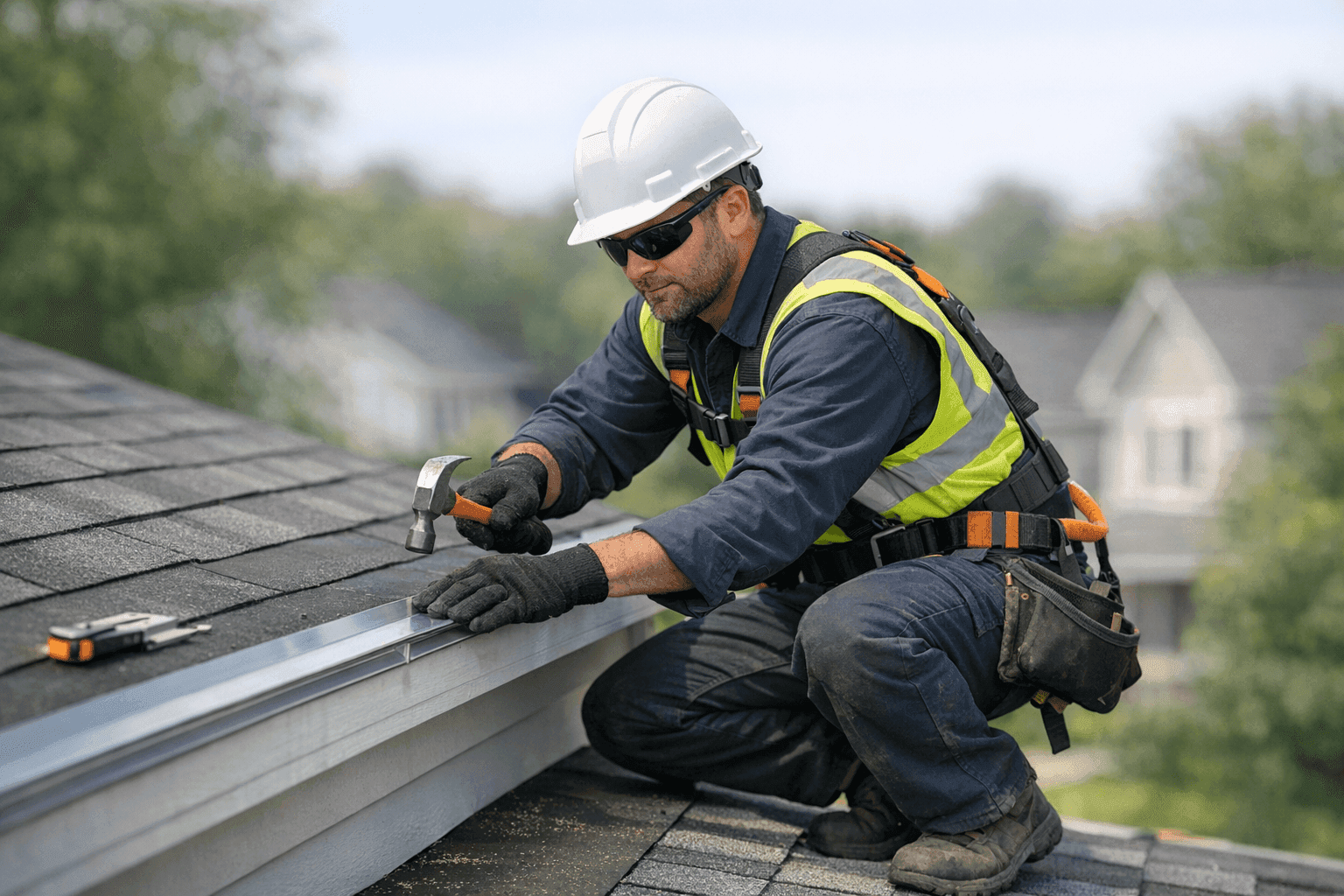
Every roof tells a story. But it’s often the edges and eaves—those thin, exposed strips—that decide if the plot ends with comfort or chaos. Rain, wind, and time all aim here first. Even the sturdiest roofs can falter if these spots are left unguarded.
At KRB Contractors Roofing, we’ve seen what happens when edge and eave protection are skipped. Water sneaks in. Boards rot. Mold grows. The fix? Understanding and investing in the right barriers from day one.
What Is Edge/Eave Protection? 🛡️
Picture a castle without a moat. That’s your roof without edge or eave protection. These protective layers are installed along the roof’s perimeter—specifically the eaves (lower edges) and rakes (sloped edges). Their job: keep water, ice, and debris from creeping under your shingles, tiles, or metal panels.
Roof edge protection isn’t optional. It’s essential for extending your roof’s life—whether you have shingle roofing, tile roofing, or something more exotic. In fact, the International Residential Code (IRC) requires proper flashing and drip edge installation for residential roofs.
Why These Areas Matter
- Eaves: The lowest edges, most exposed to runoff and splashback.
- Rakes: The sloped edges, vulnerable to wind-driven rain and uplift.
- Gutters and Downspouts: These work together with edge protection to channel water safely away.
Drip Edges and Barriers: The First Line of Defense
A drip edge is a thin, L-shaped metal strip that tucks beneath the first row of roofing material and over the edge of the roof deck. It directs water harmlessly into the gutter, rather than letting it curl back under the roofing. No more sneaky leaks.
Other barriers—like ice and water shield membranes—add a watertight layer above the eaves and in valleys. This is especially important for homes in areas that see snow, ice dams, or heavy rain.
Types of Edge Protection
- Drip Edge Flashing: Keeps water off the fascia and out of the soffit.
- Ice & Water Shield Membranes: Self-sealing protection against wind-driven rain and ice dams.
- Metal or Composite Edging: For tile roofing near you, these prevent tiles from shifting and keep pests out.
Common Vulnerabilities at Roof Edges
Roofs don’t usually fail in the middle—they fail where the armor is thinnest. Your edges and eaves.
What Can Go Wrong?
- Water Damage: Missing or damaged drip edge lets water rot the fascia.
- Wind Uplift: Without edge flashing, strong gusts can lift shingles or tiles.
- Ice Dams: Melted snow refreezes at the eave, pushing water backward.
- Pest Intrusions: Small gaps are an open door for birds, squirrels, and insects.
- Gutter Problems: Poor edge protection leads to clogged or detached gutters.
Installation and Repair: What to Expect
Edge and eave protection isn’t just a single strip of metal. It’s a system—a carefully layered defense.
Professional Installation Steps
- Inspection: Examine deck, fascia, and soffit for rot or weakness.
- Flashing Placement: Secure drip edge along eaves and rakes, under the first course of roofing.
- Underlayment: Apply ice and water shield or synthetic underlayment at vulnerable spots.
- Roofing Material: Lay shingles, tiles, or metal panels per manufacturer and code guidelines.
- Final Checks: Test for gaps, loose nails, and water flow.
For repairs, pros like KRB Contractors Roofing focus on targeted fixes—removing damaged sections, replacing flashing, and resealing as needed.
Maintenance Tips: Keep Your Edges Strong
You don’t need a ladder every weekend, but a bit of vigilance goes a long way.
- Visual Check: Twice a year, look for missing drip edge, rust, or lifted shingles.
- Gutter Cleaning: Remove leaves and debris to keep water moving.
- Look for Signs: Stains on fascia, icicles, or pooled water mean trouble.
- Schedule Inspections: Have a roofing contractor check edges after major storms.
Quick Safety Checklist
Before you grab a ladder, remember: roof work is risky. If you’re unsure, call a professional.
- Use sturdy, non-slip ladders.
- Wear gloves and safety glasses.
- Never work alone.
- Avoid roof work when wet or icy.
DIY vs. Call a Pro
Some maintenance—like clearing gutters—is safe for handy homeowners. But installing or repairing drip edge and eave barriers? That’s best left to skilled roofing specialists. The margin for error is razor-thin. One missed nail or gap can undo everything.
What Pros Do on Arrival
- Full roof edge and eave assessment.
- Moisture checks with meters.
- Detailed inspection for hidden rot or pests.
- Repair or replacement of damaged flashing and underlayment.
- Recommendations for long-term care.
Prevention & Maintenance
Think of edge protection as an umbrella. It only works if it’s open and in good shape.
- Schedule inspections every spring and fall.
- Keep gutters clear and downspouts attached.
- Watch for changes—like sudden leaks or sagging gutters.
Costs & Time Factors
Edge and eave repairs are usually less expensive than a full roof replacement. Most jobs take a few hours to a day, depending on roof size and complexity. Delaying these repairs can double or triple your costs down the road.
When It’s an Emergency
Storms, falling branches, or sudden leaks at the eave? That’s an emergency. Water intrusion here can ruin insulation, ceilings, and walls in hours—not days. Call for emergency roof repair right away.
FAQ: Roof Edge and Eave Protection
Q: Do all roofs need drip edge?
A: Yes. Building codes now require drip edge on almost all residential and commercial roofs.
Q: Can I add edge protection to an old roof?
A: Often yes, with careful removal and replacement of edge materials.
Q: What’s the difference between eave and rake edges?
A: Eaves run horizontal (bottom edge), rakes run up the sloped sides.
Seasonal Considerations
- Spring: Check for winter ice damage and clear gutters.
- Summer: Inspect for sun warping or loose materials.
- Fall: Remove leaves and debris.
- Winter: Watch for ice dams and icicles.
Common Mistakes
- Skipping drip edge to save time or money.
- Misaligned flashing.
- Using the wrong nails or fasteners.
- Overlapping materials incorrectly.
- Ignoring small leaks or stains.
Signs of Trouble
- Water stains on fascia or siding.
- Rust streaks or corrosion.
- Sagging gutters or soffits.
- Shingles curling up at the edges.
- Unexpected animal or insect activity.
Timeline & Disruption: What to Expect
Most edge and eave repairs are quick. Access can be tricky if landscaping or outbuildings are close to the roofline. You may hear hammering, but disruption is usually minimal.
Materials and Equipment
- Galvanized or aluminum drip edge.
- Ice and water shield underlayment.
- Roofing nails and sealant.
- Pry bar and hammer.
- Safety gear.
Referencing the Experts
The International Residential Code (IRC) and National Roofing Contractors Association (NRCA) both recommend edge protection as a standard part of modern roofing. Following these guidelines helps homes and businesses meet safety and longevity standards.
Roofing Services in Friendswood
Whether you need urgent repairs or preventive care, our team is ready. For anyone searching for trusted Tile Roofing in the area, KRB Contractors Roofing is prepared with solutions built to last.
Protecting the edges isn’t just smart—it’s necessary. Secure your investment with the right edge and eave protection now.
Call KRB Contractors Roofing now — or reach us anytime at 855-528-1936 .