Ice Dams and Winter Roofing Issues: Prevention and Solutions
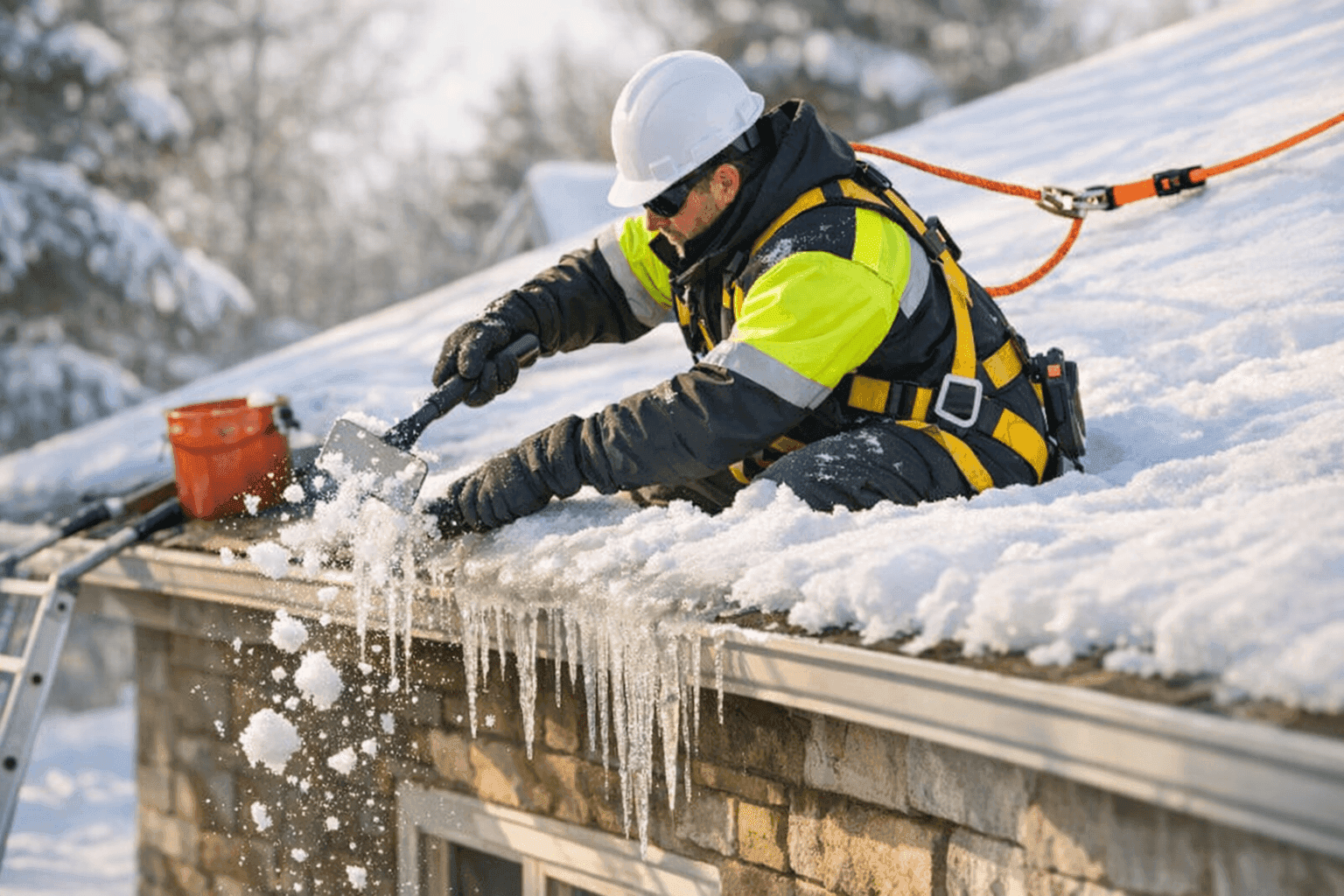
Winter storms can turn your roof into a battleground. One day, it’s a peaceful blanket of snow; the next, your gutters drip, icicles dangle, and water creeps inside. At KRB Contractors Roofing, we’ve seen winter’s worst tricks—and we know how to keep them from turning into a disaster.
If you’ve ever watched water drip down the inside of your window in January, you know how urgent these problems can be. Let’s break down what ice dams are, how they form, and what you can do to keep your roof safe all winter long.
What Are Ice Dams? 🧊
Ice dams are thick ridges of solid ice that form along the edge of your roof, usually after a heavy snowfall and a cold snap. They act like a beaver dam—blocking melting snow from draining safely off the roof. Instead, water pools up behind the icy barrier, seeping under shingles and flashing.
- Visual clues: Large icicles, thick bands of ice at the roof edge, or damp walls inside your home.
- Where they strike: Any type of roofing—Tile Roofing, shingle, or metal—especially roofs with poor ventilation.
When ignored, ice dams act like a ticking time bomb for leaks and long-term water damage.
Causes and Risks: Why Ice Dams Happen
The recipe for an ice dam is simple:
- Warm air escapes from your living space into the attic.
- The roof warms up, melting snow from underneath.
- Meltwater runs downward—until it hits the colder eaves.
- There, it freezes again, building up layer after layer.
Over time, that block of ice only gets bigger. The risks? Not just stained ceilings and peeling paint. Left unchecked, ice dams can:
- Rot wooden decking and framing.
- Damage insulation, making your energy bills soar.
- Lead to dangerous mold growth.
- Warp gutters and downspouts.
According to the International Association of Certified Home Inspectors (InterNACHI), roof leaks caused by ice dams are among the most expensive winter repairs for homeowners.
Signs You’ve Got a Problem
How do you know you’re dealing with an ice dam, not just a little snow melt?
- Icicles bigger than your forearm hanging from gutters.
- Water stains or paint bubbling on ceilings or upper walls.
- Wet insulation in the attic.
- Warped wood or rusty roofing nails poking through sheathing.
If you spot these, it’s time to act fast.
Prevention Strategies: Stop Ice Dams Before They Start
Prevention is always easier than repair, especially when it comes to winter roofing. Here’s what you can do now—before the next blizzard hits.
Upgrade Ventilation and Insulation
A well-ventilated and insulated attic is your best defense. Without proper attic insulation, heat sneaks up from your living space and melts snow right where you don’t want it.
- Insulation: The U.S. Department of Energy recommends at least R-38 insulation in attics for cold climates.
- Ventilation: Ridge and soffit vents let cold air circulate, keeping your roof’s temperature even.
- Air sealing: Seal gaps around light fixtures, attic hatches, and vent stacks to stop warm air leaks.
This combination keeps the roof cold and snow frozen—right where it belongs.
To learn more about upgrading your attic, see our Ventilation & Insulation services.
Regular Roof and Gutter Maintenance
- Keep gutters clear of leaves and debris, so melting snow has somewhere to go.
- Check for loose shingles or damaged flashing before winter sets in.
- Trim tree branches to avoid extra snow buildup or ice from falling limbs.
These small steps can head off major headaches.
Install Ice and Water Shield
A waterproof membrane, installed under shingles at the eaves, acts as a last line of defense. If water sneaks under the shingles, it can’t get into your home.
Emergency Fixes: What To Do When Ice Dams Strike
Sometimes, despite your best efforts, ice dams form anyway. Here’s how to respond safely:
- Remove excess snow. Use a roof rake (not a shovel) from the ground, pulling snow down—not up—toward the eaves. Never climb onto an icy roof.
- Chop a channel. If water is pooling, carefully create a small path through the ice to let water drain.
- Apply calcium chloride. Fill an old sock with de-icer and lay it across the dam. Skip rock salt; it can damage shingles and harm landscaping.
Most importantly: Don’t break ice with a hammer or use open flames. It’s dangerous and can wreck your roof.
When to Call for Professional Help
If water is already coming inside, or the ice dam is bigger than a loaf of bread, it’s time for backup.
Professional roofing crews—like KRB Contractors Roofing—have the safety gear, steamers, and know-how to clear dams without causing more harm. We can also inspect for hidden leaks or damage that’s easy to miss from the ground.
How Pros Handle Ice Dams
When you call a pro, here’s what typically happens:
- Inspection: We check the attic, roof, and exterior for leaks, wet insulation, and structural issues.
- Safe removal: Using heated steam, not sharp tools, we melt the dam away without hurting your shingles.
- Leak repair: We patch any water entry points and dry out attic insulation as needed.
- Long-term solutions: We’ll recommend upgrades—like improved attic vents or new insulation—to keep ice dams from returning.
The Role of Roof Flashing and Skylights
Don’t overlook trouble spots like skylights, chimneys, and roof valleys. These are magnets for leaks when snow and ice build up.
- Flashing repair: Make sure metal flashing is snug and sealed.
- Skylights: Check for cracked seals or fogged glass and address repairs before winter.
For more information, see our Roof Repair page.
Gutter and Downspout Defense
Clogged gutters turn a manageable melt into a major mess. Before the first snowfall:
- Clean gutters and downspouts thoroughly.
- Make sure downspouts direct water at least three feet away from your foundation.
- Consider gutter guards to keep debris out and water flowing.
Flat Roofs and Commercial Properties
Ice dams aren’t just a residential headache. Flat roofs, especially on commercial buildings, are at risk too. Without a slope, meltwater pools and can stress membranes or find weak spots.
- Schedule regular inspections before and after winter storms.
- Check for ponding water and ensure drains are clear.
- Use reflective coatings to minimize heat loss in critical areas.
Common Mistakes to Avoid
- Waiting for spring. Water damage gets worse with every freeze-thaw cycle.
- DIY ice chopping. You risk injury and may void your roofing warranty.
- Ignoring attic ventilation. It’s not just about heat—it’s about airflow.
Quick Safety Checklist for Homeowners
- Use a roof rake from the ground, never climb a ladder on ice.
- Always wear insulated gloves and non-slip boots if you check the attic.
- If you spot leaks or sagging drywall, call for help immediately.
Timeline & Disruption: What to Expect
Ice dam removal can take a few hours to a full day, depending on severity. Roof repair or insulation upgrades may add another day or two. Most jobs don’t require you to leave your home or close your business—but expect some noise and movement around the building.
Costs: Budgeting for Winter Roof Care
- Preventative maintenance: Usually the most affordable—especially compared to repairing major water damage.
- Emergency removal: Costs vary depending on dam size and roof access.
- Repairs/upgrades: Quality insulation and ventilation is an investment that pays for itself in energy savings and peace of mind.
Always ask for a detailed estimate before work begins.
FAQ: Your Top Ice Dam Questions Answered
Can heat cables prevent ice dams?
Heat cables can help, but they’re a band-aid. They work best when paired with attic upgrades.
How often should I check my attic in winter?
Once a month, and always after a big storm.
Will insurance cover ice dam damage?
Many policies do, but coverage varies. Check with your agent and document damage promptly.
Stay Ahead of Winter Roof Damage
A little prevention goes a long way. By investing in attic insulation, ventilation, routine inspections, and quick action during storms, you can keep your roof safe, dry, and standing strong through the harshest weather.
For reliable winter roofing services, KRB Contractors Roofing is here to help—residential or commercial, flat or steep, old or new. Don’t let ice dams catch you off guard.
Call KRB Contractors Roofing now — or reach us anytime at 855-528-1936 .