How to Spot and Prevent Animal and Pest Damage on Your Roof
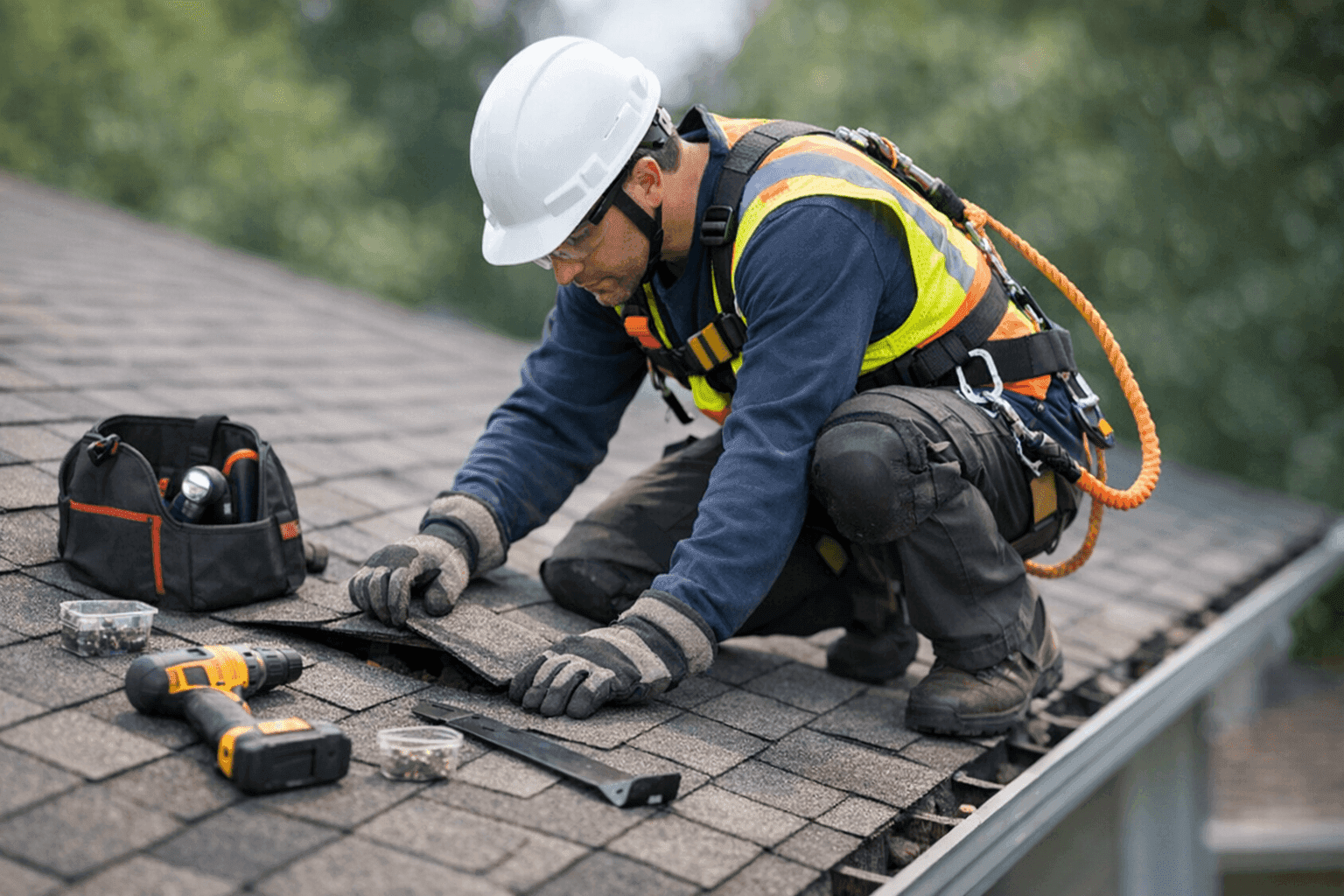
Is your roof making strange noises at night? Maybe you’ve spotted a squirrel darting along your gutters or noticed bits of shingle scattered in the yard. Animal and pest damage isn’t just a nuisance—it’s a silent threat that can spiral into costly repairs if ignored.
At KRB Contractors Roofing, we’ve seen the headaches that critters and insects can cause. Even the most well-built roof isn’t immune. But with the right knowledge and a watchful eye, you can keep your roof secure and your mind at ease.
Common Roof Pests
Nature is relentless. Birds, squirrels, raccoons, bats, and insects all look at your roof and see opportunity. Each pest comes with its own calling card:
- Squirrels & Raccoons: Strong claws let them pry up shingles or chew through decking.
- Birds: Nests in gutters or under eaves block drainage and add weight.
- Bats: Slip into tiny gaps and settle in attics, leaving behind mess and odor.
- Rodents: Mice and rats find their way into insulation, chewing wires and wood.
- Insects: Carpenter ants, termites, and bees can tunnel silently, weakening wood and supports.
Left unchecked, these visitors can turn your roof from fortress to freeway. 🐦
Signs of Animal Damage
How do you know if you have a problem? The clues aren’t always obvious, so look for these signs:
- Droppings or nesting material near attic vents or gutters
- Scratching, scurrying, or fluttering sounds overhead—especially at dusk or dawn
- Missing or damaged shingles (especially Shingle Roofing areas)
- Chewed or gnawed wood near fascia, soffits, or roof decking
- Unexplained water stains on ceilings or attic rafters
- Blocked gutters, often packed with sticks, leaves, or feathers
- Visible holes or entry points along the roofline
Sometimes, the signs are subtle—a single piece of insulation out of place, a faint musty smell, or a gutter that suddenly overflows. Trust your instincts. If something feels off, it’s worth a closer look.
Quick Safety Checklist Before Inspecting
Before you grab a ladder, safety first:
- Never inspect the roof alone—have someone nearby.
- Use sturdy footwear with good grip.
- Inspect from the ground with binoculars if possible.
- Watch for signs of aggressive animals (raccoons, wasps).
- Wear gloves and a mask if checking an attic—animal droppings can carry disease.
If you’re ever in doubt, stay on the ground and call a professional. It’s not worth risking a fall.
Prevention Strategies
Stopping pests begins with making your roof less inviting:
- Trim trees: Branches that touch or overhang the roof act as bridges for squirrels and raccoons.
- Seal entry points: Use caulk or wire mesh to cover gaps around eaves, vents, and flashing.
- Install gutter guards: Prevent birds and rodents from nesting and block leaves that attract insects.
- Remove food sources: Keep pet food and open trash cans far from your home.
- Schedule annual inspections: Proactive checks spot problems before they escalate.
Many of these steps are quick wins that make a big difference. A little prevention goes further than any repair.
Materials & Equipment for DIY Prevention
If you’re handy, here’s a basic pest-proofing toolkit:
- Weatherproof caulk or expanding foam
- Wire mesh (1/4 inch for rodents and bats)
- Gutter guards or screens
- Pruning shears or a pole saw for tree branches
- Heavy-duty gloves
Always follow manufacturers’ safety guidelines. The International Residential Code (IRC) recommends maintaining at least a 6-inch gap between tree limbs and your roof for safety.
Repairing Pest Damage
Caught a problem early? Here’s how to tackle minor issues:
- Patch small holes: Use exterior-grade sealant or flashing tape.
- Replace chewed or missing shingles: Match with the same material—whether it’s Shingle Roofing or Tile Roofing.
- Clean and repair gutters: Remove nests and check for rust or gaps.
- Replace damaged decking or insulation: If you see signs of rot or chew marks, swap out affected sections.
For larger repairs, like torn flashing or widespread rot, avoid DIY fixes. These usually require special tools and expertise. Improper repairs can make the problem worse or void your roof warranty.
When to Call an Expert
Certain scenarios need a professional touch:
- You hear persistent animal activity but can’t find the source.
- There’s evidence of structural damage—sagging rooflines, water leaks, or daylight through the attic.
- Large or aggressive animals are involved (e.g., raccoons, birds of prey, wasps).
- Mold or mildew is visible, which can indicate hidden water intrusion.
A reliable roofing contractor will not only repair the damage but help you prevent repeat visits. If you’re in need of roofing services, our team is ready to help.
How Professionals Assess Animal & Pest Damage
When KRB Contractors Roofing arrives, here’s what happens:
- Full roof inspection: We check shingles, underlayment, decking, gutters, and attic spaces.
- Identify entry points: From chimney flashing to attic vents, nothing is overlooked.
- Assess moisture and structural impact: Water stains, soft spots, and insulation damage are marked for repair.
- Recommend repairs and prevention: We offer clear, practical solutions—no jargon, just facts.
We work cleanly and efficiently, minimizing disruption to your home or business.
Seasonal Considerations
Pest problems change with the seasons:
- Spring: Birds and squirrels nest. Inspect after winter storms for new gaps.
- Summer: Insects are most active—watch for bee or wasp nests under eaves.
- Autumn: Rodents seek warmth as the weather cools—seal up before the first frost.
- Winter: Ice dams can dislodge flashing, creating new entry points.
A seasonal maintenance plan can keep your roof ahead of the curve.
Emergency Situations
Some pest problems turn urgent—fast:
- A raccoon or squirrel trapped in the attic can cause chaos within hours.
- Storm damage exposes your roof to opportunistic pests and fast leaks.
- Large holes or fallen branches leave your home exposed.
If you’re facing an emergency, stay safe and keep your distance. Professionals have the training and tools to handle wildlife and urgent repairs.
Common Mistakes to Avoid
- Ignoring small signs—minor damage can escalate quickly.
- Sealing animals inside—always make sure pests are gone before closing entry points.
- Using toxic chemicals—these can harm pets, children, and local wildlife.
- Delaying professional repairs—water and pest damage only get worse with time.
Costs & Time Factors
Repair costs depend on:
- Extent of damage (a few shingles vs. major decking replacement)
- Type of roofing material (Tile Roofing near you may require specialty repairs)
- Accessibility (steep or high roofs cost more to fix)
Minor repairs might be handled in a single afternoon. Larger issues could take several days, especially if structural repairs or pest removal are required.
FAQ: Quick Answers for Busy Homeowners
Q: How often should I inspect my roof for animal damage?
At least twice a year—spring and fall are best.
Q: Are roof pests covered by insurance?
Policies vary. Many exclude gradual damage from rodents or insects. Check your policy closely.
Q: Can animal damage cause leaks?
Absolutely. Chewed flashing or torn underlayment lets water in, leading to leaks and rot.
Final Thoughts: A Healthy Roof is a Happy Roof
Keeping pests off your roof isn’t just about comfort—it’s about protecting your investment. Stay alert for early signs, act quickly, and don’t hesitate to bring in the pros when needed. Your roof shields your home or business from more than just weather. Give it the care it deserves.
Call KRB Contractors Roofing now — or reach us anytime at 855-528-1936 .