How Roof Age Impacts Home Value and Insurance
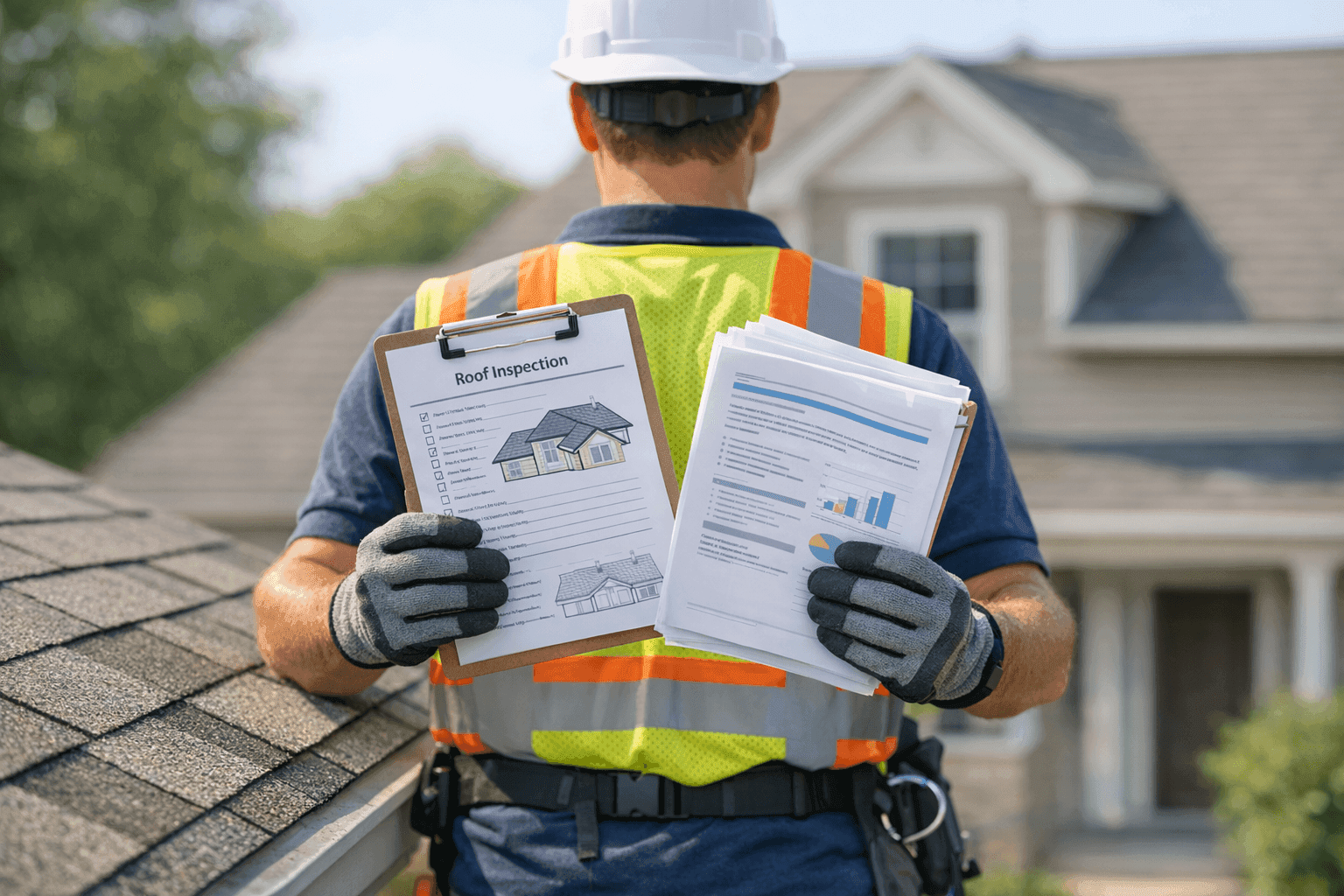
Have you ever wondered how that roof over your head shapes your home’s value and insurance costs? Roofs are like the invisible shields of our homes—always working, sometimes overlooked, but always critical. As the years pass, that shield ages. And with age comes big decisions.
At KRB Contractors Roofing, we understand how tough it can be to balance repairs, future planning, and your budget. Here’s what you need to know about how roof age impacts both your home’s value and your insurance options—plus how to spot trouble before it starts.
Why Roof Age Matters
A roof isn’t just a hat for your house—it’s the first line of defense against wind, rain, sun, and snow. Over time, even the best tile roofing near you will start to show its age. Materials break down. Fasteners loosen. Tiny cracks become wide enough to let in water, and suddenly what looked solid is a liability.
Insurance companies and real estate professionals both zero in on roof age. Why? Because the older the roof, the greater the risk—of leaks, storm damage, and even structural issues. In short: age equals risk, and risk costs money.
Impact on Property Value 🏡
Picture this: Two homes are side by side. Same size, same street. One has a new roof, the other’s is 20 years old. Which would you pay more for? Most buyers choose the home with the new roof, even if the interiors are identical.
Here’s why roof age hits home value:
- Curb appeal: Newer roofs look better. They signal care and quality.
- Buyer confidence: A recent roof means one less major expense after moving in.
- Inspection results: Appraisers and inspectors flag old roofs as “deferred maintenance.” This can drop your home’s appraised value or scare off buyers.
- Loan approval: Some lenders require a roof to have at least five years of remaining life. An old roof? It could stop a sale in its tracks.
According to the National Association of Realtors, a new roof can return 60–70% of its cost in resale value. For commercial properties, roof condition is just as important. It affects lease rates, occupancy, and long-term maintenance plans.
Insurance Considerations
Insurance underwriters see an aging roof the way a driver sees worn-out brakes. It might work today, but it’s a gamble. Here’s what usually happens:
- Higher premiums: Older roofs mean higher rates. Some insurers even refuse to write policies for roofs over 20 years old, especially in storm-prone regions.
- Limited coverage: Many policies only cover actual cash value (not full replacement) if your roof is past a certain age—sometimes just 10–15 years.
- Denial of claims: If the roof’s age or condition contributed to damage, your claim might be partially or fully denied.
Check your current policy. Know when your roof was last replaced, and keep documentation. The Insurance Information Institute recommends regular inspections and prompt repairs to avoid costly surprises.
Signs It’s Time for Replacement
Roofs don’t fail all at once. Most send out warning signs—if you know what to look for. Here are the big ones:
- Curled, cracked, or missing shingles
- Worn or brittle tiles
- Blistered or peeling flat roofing membranes
- Granules in gutters (for asphalt roofs)
- Leaks or water stains inside
- Sagging rooflines
- Rusty or loose flashing, especially around chimneys and skylights
If you spot these issues, it’s time to talk to a roofing contractor about next steps. Ignoring them can lead to mold, rot, and structural damage—far more expensive than a timely repair or replacement.
How to Track Your Roof’s Age
It’s easy to lose track of the years. Here’s how you can check:
- Find your paperwork: Look for roof replacement invoices, permits, or warranties.
- Check home inspection reports: Recent home sales usually include a roof age estimate.
- Ask the previous owner: If you bought recently, reach out.
- Hire a pro for an inspection: They can often estimate age based on material wear.
Knowing your roof’s age helps you plan ahead—no surprises, no last-minute panic.
The Real (Hidden) Costs of Waiting
Procrastination is the most expensive option. Small leaks become big repairs. Water intrusion can mean mold, ruined insulation, and even electrical damage. Not to mention, every delay can mean a lower home value and higher insurance premiums.
On commercial properties, downtime due to emergency repairs can disrupt business and tenants. Planning ahead keeps your investment safe.
Roof Materials: Lifespan and Value
Not all roofs age the same way. Here’s a quick look at common materials:
- Tile Roofing: Durable, often lasts 40–50 years with proper care.
- Asphalt Shingles: 15–30 years depending on climate and quality.
- Metal Roofing: 40–70 years, with solid maintenance.
- Flat Roofs (Membrane): 15–25 years.
- Wood Shakes: 20–40 years, but require more upkeep.
The right material can mean decades of worry-free protection. The wrong one—or poor maintenance—can cut lifespan in half.
DIY vs. Call a Pro
Small maintenance (like cleaning gutters or downspouts) is usually safe for handy homeowners. But when it comes to full roof replacement or leak repair, it pays to call in roof-repair pros.
Why? Safety first. Climbing up on a worn or steep roof is risky. Professionals have the right gear, insurance, and training to spot problems you might miss.
What Pros Look for On Arrival
When KRB Contractors Roofing inspects your roof, here’s what we check:
- Shingle or tile condition
- Flashing integrity
- Signs of hidden leaks
- Gutter, downspout, and skylight function
- Chimney and vent seals
- Attic ventilation and insulation
We follow all International Building Code (IBC) and OSHA safety standards. A thorough inspection can catch issues early and extend your roof’s life.
Prevention & Maintenance Tips
Want your roof to last? A little TLC goes a long way:
- Inspect twice a year: Spring and fall are best.
- Clear debris and gutters: Prevents water backup and rot.
- Trim overhanging branches: Stops damage from falling limbs.
- Check attic ventilation: Poor airflow can bake shingles from the inside out.
- Address small repairs fast: Don’t let a minor issue become a crisis.
If you’re not sure how to handle a task safely, it’s best to call a professional.
Costs & Time Factors
Roof replacement is a big investment—sometimes second only to the purchase of your home itself. Costs depend on:
- Material (tile, shingle, metal, etc.)
- Roof size and pitch
- Local labor rates
- Needed repairs (decking, flashing, insulation)
A typical replacement takes 1–3 days for residential homes, longer for large commercial buildings. Plan for some noise and dust, but a reputable team minimizes disruption.
When It’s an Emergency
Storms, falling trees, or sudden leaks? That’s an emergency. Cover the area with a tarp if it’s safe, then call for emergency services. Quick action can prevent thousands in water damage.
Common Mistakes Homeowners Make
- Waiting too long to address small issues
- Skipping annual inspections
- Assuming insurance will cover all damage, regardless of age
- Trying to DIY major repairs without proper safety gear
Avoid these pitfalls to keep your home protected and your costs low.
Seasonal Considerations
Roofs age faster in harsh climates—think freeze/thaw cycles, high winds, or scorching sun. In snowy areas, ice dams can force water under shingles. In coastal zones, salt and humidity speed up corrosion.
Schedule inspections before and after severe weather seasons. This way, you catch problems early and keep your insurance coverage strong.
FAQs: Roof Age, Value & Insurance
Q: Does installing a new roof really increase resale value?
A: Yes. Buyers prefer homes with newer roofs, and appraisers factor in roof age.
Q: Can I lower my insurance by replacing my roof?
A: Often, yes. Ask your agent about discounts for new, impact-resistant, or fire-rated materials.
Q: How can I find reliable tile roofing near me?
A: Look for licensed, insured contractors with strong references and a range of services, like tile-roofing.
Next Steps: Plan Ahead and Protect Your Investment
Don’t let an aging roof catch you off guard. Track its age, schedule regular inspections, and budget for repairs or replacement before it’s urgent. Whether you’re a homeowner or a commercial property manager, the right plan will save money, boost value, and keep insurance headaches to a minimum.
If you’re unsure of your roof’s condition, or think it might be time for a change, KRB Contractors Roofing is ready to help with honest assessments and clear recommendations.
Call KRB Contractors Roofing now — or reach us anytime at 855-528-1936 .