How to Prevent Roof Damage from Trees and Overhanging Branches
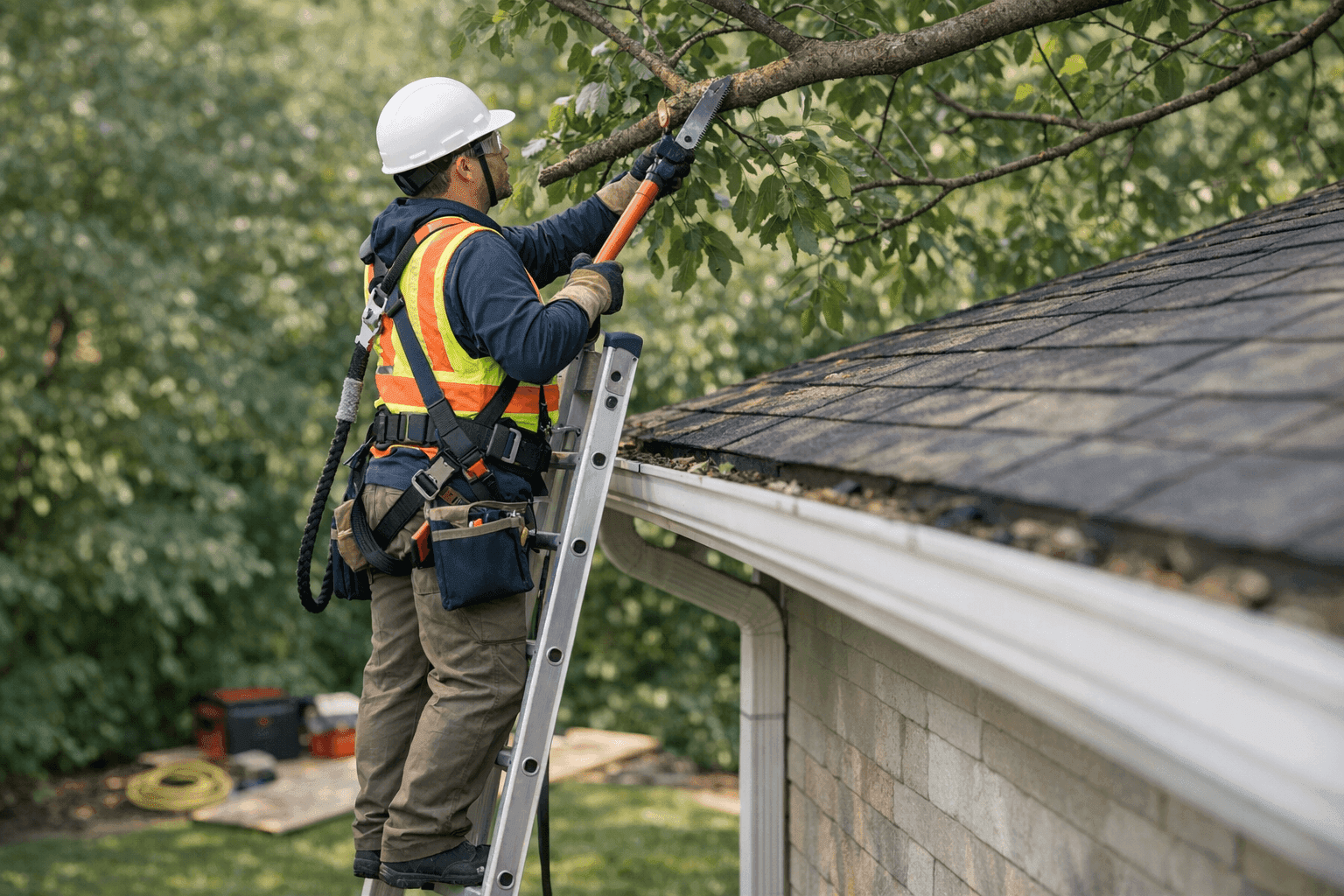
Your roof is your home’s shield. But even the strongest shield can get battered by nearby trees. Every windy night, every falling branch, every pile of leaves—these are all silent threats. Protecting your roof isn’t just about shingles and gutters. Sometimes, it starts with what’s growing right above.
At KRB Contractors Roofing, we’ve seen how even a beautiful old oak can cause chaos. Let’s talk about how to spot trouble, what to trim, and when it’s time to call for backup.
Risks of Trees Near Roofs 🌳
Trees bring shade and beauty. But when branches loom close, they can become villains in disguise. Here’s what trees and overhanging limbs can do to your roof:
- Scratches and dents: Swaying branches scrape shingles, tiles, or metal, wearing down your roof quicker than you think.
- Punctures: Heavy limbs can break off and crash onto your roof, cracking tiles or piercing shingles.
- Blockages: Leaves, twigs, and seeds clog gutters and downspouts, leading to leaks and water pools.
- Moisture traps: Shaded, damp spots grow moss and mold—both of which eat away at roofing materials.
- Animal highways: Squirrels and raccoons use overhanging branches as bridges, finding easy access to your attic.
If you’re searching for “Tile Roofing near you” or want your roof to last, keeping trees in check is essential.
Warning Signs: Is Your Roof at Risk?
How do you know if trees are causing problems? Watch for these early warnings:
- Broken or hanging branches above the roofline.
- Moss or mold patches—especially where branches cast deep shade.
- Shingle granules in gutters (looks like coarse sand).
- Clogged gutters or downspouts.
- Soft, spongy spots when you walk in the attic. (This could mean leaks.)
- Animal noises from above or inside your roof.
If any of these sound familiar, it’s time to act.
Tree Maintenance Tips for Roof Protection
Think of tree care as armor for your roof. Here are steps to keep both safe:
- Trim back branches at least 6–10 feet from the roof edge. This helps prevent scraping and gives limbs less chance to fall on your home.
- Regularly rake leaves off the roof and out of gutters.
- Check tree health: Dead or diseased branches fall more easily.
- Keep an eye out for root problems. Trees with weakened roots may topple in storms.
- Schedule annual tree inspections with a certified arborist.
Well-maintained trees are less likely to cause trouble. As the International Society of Arboriculture recommends, proper pruning not only protects your home but keeps trees healthy, too.
Safe Branch Removal Basics
Cutting branches isn’t just about grabbing a saw. Here’s how to do it safely:
- Start small: Remove light, reachable limbs first.
- Make clean cuts outside the branch collar (the swelling where branch meets trunk).
- Never cut branches above power lines.
- Use the right tools: Sharp pruners for small limbs; a pole saw for higher cuts.
- Don’t over-prune. Removing too much can stress the tree, making it unstable.
And always have a spotter to watch for falling debris.
DIY vs. When to Hire a Pro
Some jobs are fine for DIY. But others? Not worth the risk.
DIY is okay for:
- Small, low branches (you can reach safely from the ground).
- Light debris cleanup.
Call a professional for:
- Large, heavy, or high branches.
- Limbs near power lines.
- Trees with signs of disease or instability.
- Any removal that requires climbing or special equipment.
Even seasoned pros use safety harnesses and follow OSHA guidelines on ladder and chainsaw safety. Your health is worth more than the cost of a tree service.
What Happens When a Pro Arrives
Ever wondered what a professional does that you can’t? Here’s a peek:
- Site Assessment: They check the tree’s health, proximity to the roof, and look for hidden dangers.
- Gear Up: Expect ropes, harnesses, helmets, and sometimes even cranes.
- Strategic Cutting: They remove branches in sections so nothing crushes your shingles or gutters.
- Clean-Up: No stray branches or leaves left behind.
A professional also knows how to keep your landscaping—and your roof—intact.
Seasonal Considerations for Tree and Roof Care 🍂
Every season brings its own tree risks.
- Spring: Heavy rains and new growth. Watch for weak limbs.
- Summer: Storm winds can snap old branches.
- Autumn: Falling leaves clog gutters fast.
- Winter: Ice and snow weigh down even healthy branches.
Check your roof and trees at the start of each season. Prevention beats repair every time.
Quick Safety Checklist for Homeowners
- Walk your property and look up. Branches dangling? Gutters stuffed?
- Check after storms—fallen limbs and debris can appear overnight.
- Keep emergency numbers for tree services handy.
- Never climb onto a wet or icy roof.
Be aware. It’s better than being sorry.
Costs & Time Factors: What to Expect
Branch removal costs depend on height, thickness, and proximity to your home. A simple trim might take an hour. Major work, like removing a large limb over your roof, could take half a day or more.
Roof repairs from branch damage? That depends on the material. Shingle roof repair is usually quicker than tile roofing, which can require careful matching and placement.
When It’s an Emergency
Some situations can’t wait:
- A branch has punctured your roof.
- You see daylight or water leaking into your attic.
- Gutters are overflowing during heavy rain.
- There’s a risk of a tree falling after a storm.
Call emergency services or a roofing company immediately. Don’t try to handle dangerous branches alone.
Common Mistakes to Avoid
- Ignoring small branches: They grow, and so do their problems.
- Leaving debris on the roof: Moisture collects, leading to rot.
- Using dull tools: Can tear bark and harm trees.
- Cutting too close to the trunk: This can wound the tree and attract pests.
Prevention is easier—and cheaper—than fixing a collapsed roof.
Roof Flashing, Skylights, and Special Features
Don’t forget about roof details. Skylights, vents, and flashing can all get damaged by falling limbs or trapped leaves. For complex rooflines or specialty materials, such as Shingle Roofing, a professional’s touch is especially important. Regular checks keep these features watertight and working.
How Debris Affects Gutters and Downspouts
Gutters are your roof’s escape route for water. When blocked by leaves or twigs, water backs up—leading to leaks, rot, and even foundation problems.
Schedule regular gutter cleaning. If you notice water spilling over or dripping where it shouldn’t, it’s a sign your gutters need attention.
Inspections: Your Roof’s Annual Check-Up
Just like you visit the doctor, your roof needs a yearly inspection. A pro can spot:
- Missing or cracked shingles.
- Damaged flashing.
- Clogged gutters or downspouts.
- Early signs of leaks or water damage.
If you’re in the area and searching for reliable roofing, we’re always here to help.
FAQ: Your Questions Answered
Q: How close can trees safely be to my roof?
A: At least 6–10 feet away is ideal, but this varies by tree type.
Q: Will trimming harm my trees?
A: Not if done properly. Only remove what’s necessary. When in doubt, consult an arborist.
Q: Can I prevent all roof damage from trees?
A: Not all, but regular care makes a huge difference.
Q: How often should I clean my gutters?
A: At least twice a year—more if you have lots of trees.
The Bottom Line: Protect Your Roof, Protect Your Home
A little prevention now saves you big headaches later. Your roof works hard to keep you dry and safe. Give it the backup it deserves by keeping trees in check.
Call KRB Contractors Roofing now — or reach us anytime at 855-528-1936 .