How to Prevent Roof Condensation and Interior Water Damage
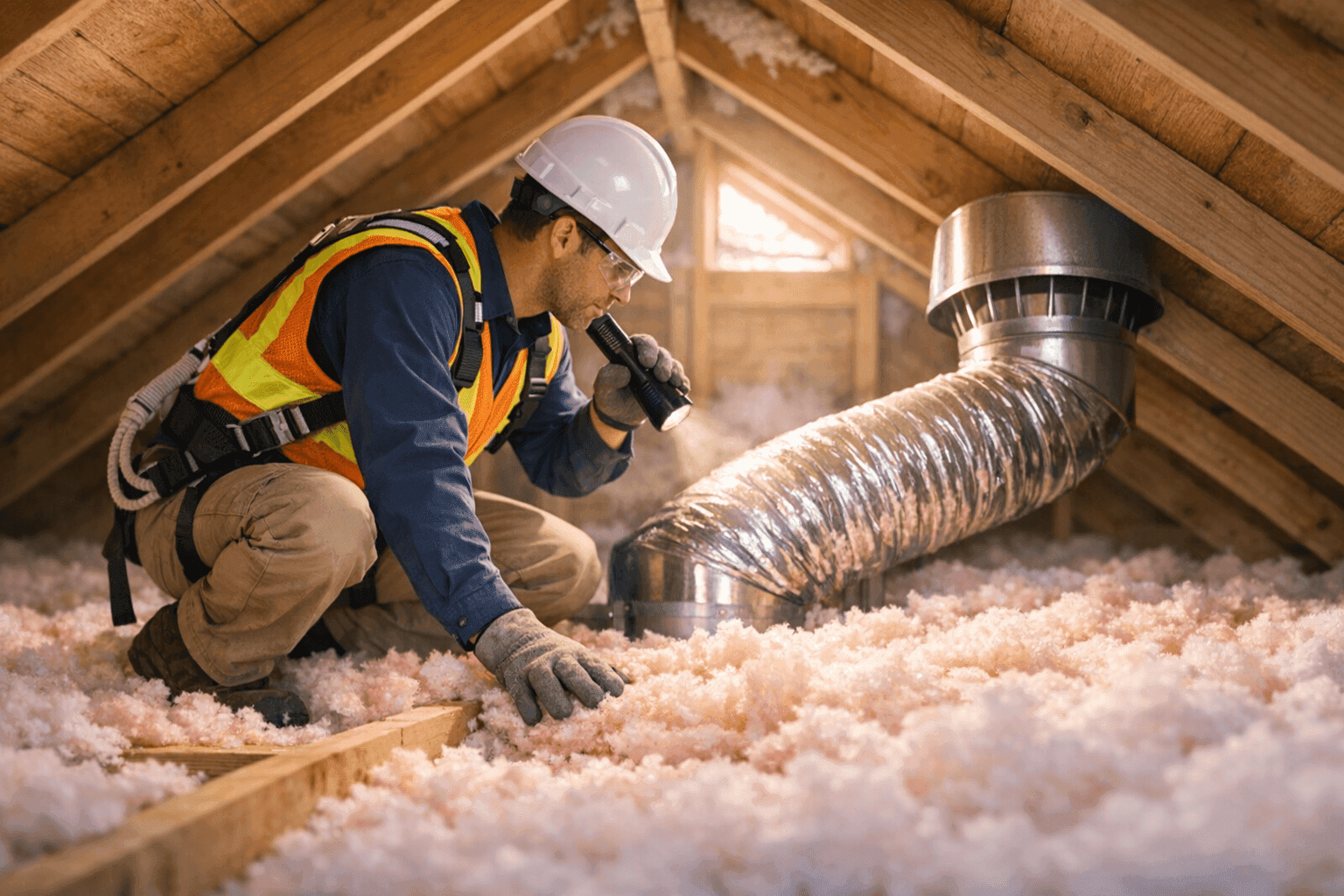
When roof condensation creeps in, it doesn’t knock politely. It seeps. It stains. It damages. And it can cost you far more than a restless night. At KRB Contractors Roofing, we’ve seen how small drips turn into big headaches for families and businesses alike.
No one wants to wake up to water spots on the ceiling or peeling paint in the office. With decades repairing everything from tile roofing to flat roofs, we know how to spot problems early—and how to help you keep your property dry and safe.
What Causes Roof Condensation? 🌧️
Condensation forms when warm, moist air meets a cold surface—think of your bathroom mirror after a hot shower. The same principle applies in your attic or beneath your roofing materials. When indoor air escapes into the attic and hits cold roof decking, moisture droplets collect. Over time, this can soak insulation, rot wood, and even cause mold.
Here’s what fuels the problem:
- Inadequate attic ventilation traps moist, heated air.
- Poor insulation lets heat rise and escape from living spaces.
- Everyday activities—cooking, showering, laundry—pump moisture into your home.
- Blocked soffit vents or clogged roof vents suffocate airflow.
- Sudden temperature swings (especially in fall and spring) create dew points right in your rafters.
According to the International Residential Code (IRC), proper attic ventilation is not just good practice—it’s required for safe, healthy homes.
Signs of Moisture Issues
Your roof might be talking to you. Here’s how to listen:
- Water stains on ceilings or walls—brown rings or soft, sagging spots.
- Peeling or bubbling paint near the ceiling.
- Musty odors in the attic or living spaces.
- Visible mold on attic rafters or insulation.
- Dripping water from light fixtures or ceiling fans.
- Frost or dampness on the underside of roof decking during cold weather.
These symptoms often start small. But ignoring them is like ignoring the drip under a kitchen sink—eventually, the whole cabinet rots.
Prevention Strategies: Keeping Condensation at Bay
Stopping condensation means attacking it at the source. A few practical tactics:
- Increase attic ventilation. Clear soffit and ridge vents. Consider adding turbine or powered vents if airflow is weak.
- Upgrade insulation. Insulation acts like a blanket, keeping warm air in the living space and out of the attic.
- Seal air leaks. Use spray foam or caulk around attic hatches, light fixtures, and ductwork.
- Control indoor humidity. Run bathroom and kitchen fans during and after use. Use a dehumidifier in damp seasons.
- Check for roof leaks. Sometimes, what looks like condensation could be a sign you need roof repair.
Remember, an ounce of prevention is worth a pound of soaked drywall.
Insulation and Ventilation Upgrades
Insulation and ventilation are the peanut butter and jelly of roof health. Without both, you’re missing half the sandwich.
- Attic insulation: The U.S. Department of Energy recommends at least R-38 insulation in most attics. More for colder climates.
- Baffles and vent chutes: These keep insulation from blocking soffit vents, letting air flow smoothly from eaves to ridge.
- Balanced system: Intake and exhaust vents should be sized to work together. Too much exhaust and not enough intake can actually draw moisture up from the living area.
- Insulate ducts: Uninsulated HVAC ducts in the attic can “sweat,” adding to moisture problems.
For professional ventilation and insulation upgrades, always use materials and methods that meet current building codes (see the National Roofing Contractors Association for best practices).
Quick Safety Checklist for Homeowners
Before you poke around the attic, run through this quick safety list:
- Wear an N95 mask and gloves—attic dust can be nasty.
- Use a sturdy ladder with a spotter.
- Avoid stepping between joists (it’s a fast way to end up in the living room).
- Bring a flashlight and watch for exposed nails or wiring.
If you spot mold, sagging wood, or signs of major leaks, it’s time to step back and call a pro.
DIY Fixes vs. When to Call a Pro
Some tasks are safe for handy homeowners:
- Replacing a bathroom fan.
- Sealing obvious air gaps.
- Cleaning attic vents.
But don’t climb the roof to inspect flashing or repair large insulation gaps unless you have proper safety gear and experience. Roofing is no place for improvisation. Complex issues—like persistent condensation, mold, or suspected roof leaks—should always be handled by trained professionals.
Common Mistakes That Make Moisture Worse
Even well-meaning DIY jobs can backfire. Watch for these pitfalls:
- Blocking soffit vents with insulation (kills airflow).
- Using plastic sheeting as a vapor barrier in the wrong climate.
- Over-sealing the attic, trapping moisture inside.
- Ignoring routine roof inspections.
Sometimes, less is more. Let your roof breathe.
Seasonal Considerations: When Condensation Strikes Hardest
Condensation doesn’t care what the calendar says, but it loves certain seasons:
- Late fall and early spring: Warm, moist air inside meets cold roofing.
- Heavy rain or snow: Increases humidity. Melting snow can refreeze at the eaves (ice damming), making matters worse.
- During HVAC use: Air conditioners and heaters both affect moisture levels.
Check your attic at least twice a year—before the cold sets in and after the thaw.
What Pros Do On Arrival
At KRB Contractors Roofing, we start with a thorough attic and roof inspection. Here’s what you can expect:
- Moisture readings in insulation and wood.
- Checking for blocked or missing vents.
- Inspecting flashing, gutters, and downspouts for leaks.
- Reviewing insulation depth and coverage.
- Suggesting tailored fixes—never a cookie-cutter approach.
We’ll always explain what we find and answer your questions before recommending repairs. No surprises.
Roof Materials and Moisture: What You Need to Know
Some roofing materials are more resilient to condensation than others:
- Tile Roofing near you offers excellent breathability but needs proper underlayment and flashing.
- Metal roofing sheds water well but requires good insulation to prevent condensation on the underside.
- Flat roofs and low-slope systems demand vigilant sealing and regular maintenance.
Choosing the right materials, installed by a skilled roofing contractor, makes a world of difference.
Emergency: When Condensation Turns into Water Damage
If you find standing water in the attic, soaked insulation, or active dripping, don’t wait. Water damage can weaken your home’s structure, ruin electrical systems, and create health hazards.
Turn off affected circuits. Catch water in buckets if necessary. Then, call for emergency roofing services immediately.
Costs & Time Factors
How much does prevention cost? Less than water restoration.
- Ventilation upgrades: Usually $400–$2,000, depending on the home.
- Insulation: $1.50–$3.50 per square foot.
- Roof repairs: Vary based on scope and materials.
- Time: Most attic jobs take 1–2 days. Larger repairs or replacements may take longer.
Ask for an upfront estimate and a timeline before work begins.
Timeline & Disruption: What to Expect
Most insulation and ventilation fixes cause minimal disruption. Access is often through the attic or roof. You might hear some footsteps overhead, but you’ll rarely need to vacate the home.
Repairs involving mold remediation, structural damage, or major roof leaks may require more time and planning.
FAQ: Your Roof Condensation Questions Answered
Will a new roof solve condensation?
Not always. If ventilation and insulation are lacking, condensation can return even after a new roof.
Does condensation mean my roof is leaking?
Not necessarily. But it does mean moisture is getting trapped where it shouldn’t. It’s important to differentiate and address both.
Are there eco-friendly options?
Absolutely. Modern insulation and cool roof coatings can reduce energy use and condensation risk.
Inspections: The Unsung Hero of Dry Roofs
Routine inspections catch trouble before it grows. Schedule a professional inspection annually or after severe storms. If you’re in the area, our roofing team provides thorough roofing services in Idaho Falls and beyond.
Conclusion: Dry Roof, Peace of Mind
Roof condensation is quiet but relentless. With the right insulation, ventilation, and maintenance, you can keep your home or business dry, safe, and comfortable.
Ready to protect your property from hidden water damage?
Call KRB Contractors Roofing now — or reach us anytime at 855-528-1936 .