How to Prevent Gutter and Downspout Freezing in Winter
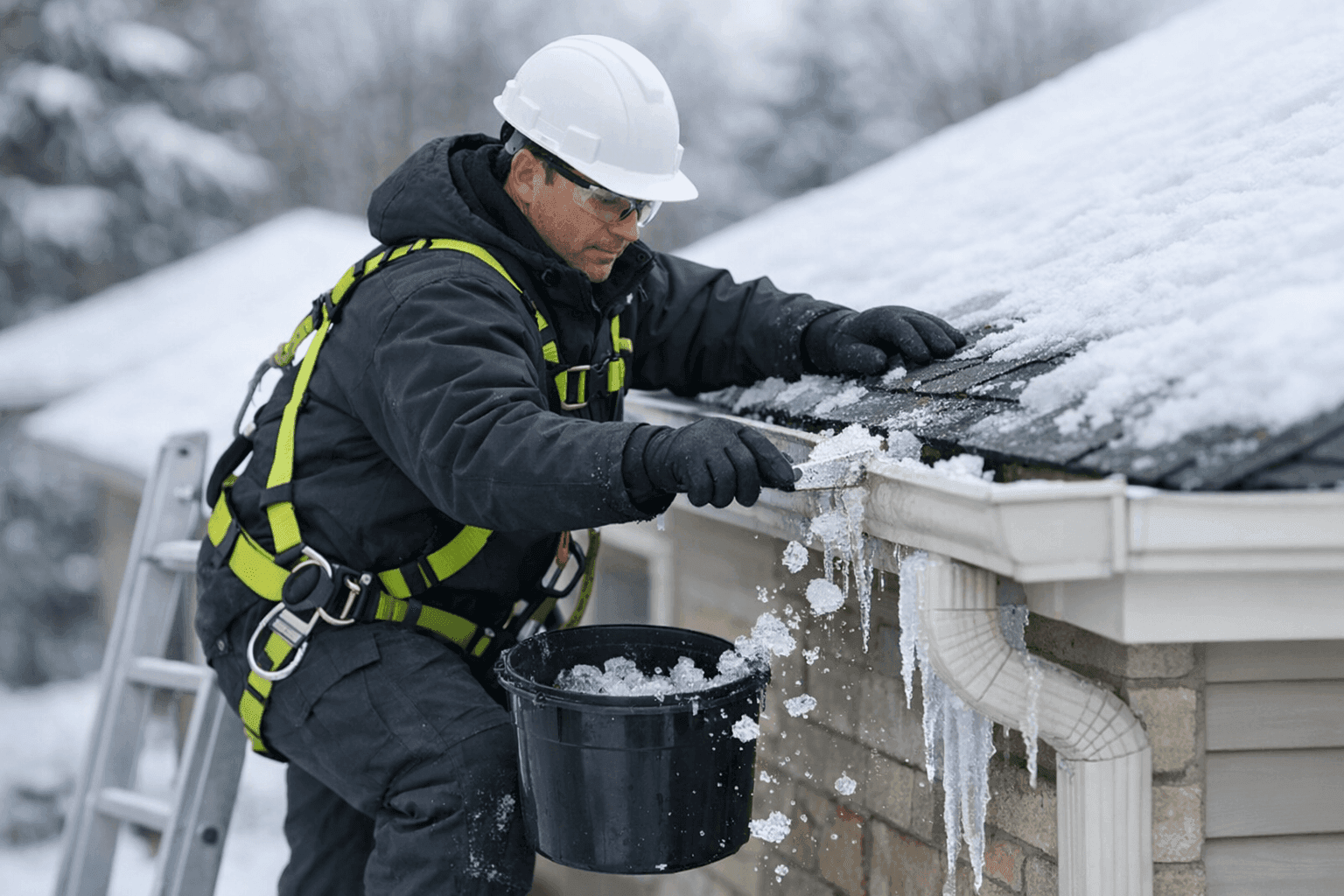
Winter in the Midwest hits hard. If you’ve ever heard that slow, ominous drip from your eaves or spotted a thick icicle clinging to your gutters, you know what’s coming: frozen gutters, possible leaks, and the threat of costly water damage. Whether you’re protecting your family home or a commercial property, frozen gutters are more than just a seasonal nuisance.
At KRB Contractors Roofing, we’ve seen just how quickly a small ice dam can turn into a big headache. Let’s walk through why gutters freeze, what’s at risk, and—most importantly—how you can stop winter from taking a toll on your roofing and drainage system.
Why Gutters Freeze (And Why It Matters) ❄️
Gutters freeze when water can’t drain away fast enough. Snow on your roof melts during the day, then refreezes at night. If gutters or downspouts are clogged, the water pools, fills up, and turns solid—just like a soda can left in the freezer too long.
Unlike a cold soda, though, frozen gutters don’t just make a mess. Trapped ice can weigh down the metal, bend brackets, or even rip gutters right off the fascia. It’s not just the gutters that suffer. Water backs up beneath shingles, finds its way into soffits, and starts leaking into your attic or walls.
It’s a chain reaction—one that begins with a little bit of slush and ends with real, lasting damage.
The Hidden Risks of Frozen Gutters
Frozen gutters are more than a winter eyesore. Here’s what can go wrong if you let ice take over:
- Water Damage: Backed-up water seeps under shingles, leading to leaks and rot.
- Foundation Threats: Overflow can pool around your home’s base, eroding soil and causing cracks.
- Structural Stress: The weight of ice pulls gutters away, damaging fascia, siding, and even decking.
- Safety Hazards: Icicles and falling ice pose real risks to people below.
According to the International Association of Certified Home Inspectors (InterNACHI), clogged or frozen gutters are a leading cause of winter water intrusion. Ignoring the problem isn’t just a gamble with your gutters—it’s a risk to your whole property.
Signs Your Gutters Are Freezing
You don’t need a ladder to spot the warning signs. Keep an eye out for:
- Icicles hanging from gutters or downspouts
- Pools of water around your foundation
- Stained or peeling paint near the roof line
- Sagging or separating gutters
- Water spots inside, especially near ceilings or windows
If you see these, act fast. The sooner you jump in, the less damage winter can do.
Quick Safety Checklist Before You Start
Before you climb up or grab a tool, take a breath. Gutter and downspout work in winter can be slippery and dangerous. Here are some must-follow steps:
- Always use a sturdy, dry ladder on solid ground—never on ice or snow.
- Wear gloves with a good grip and non-slip boots.
- Avoid metal ladders near electrical wires.
- Never chip at ice with sharp tools (you could damage the gutters).
- If the ice is thick or you’re unsure, call a professional.
Safety comes first, every time.
What Causes Gutters and Downspouts to Freeze?
Think of your gutter system as a highway. When traffic jams—caused by leaves, twigs, or even a bird’s nest—water can’t get through. Add freezing temperatures, and you’ve got a frozen pileup.
Common culprits include:
- Clogged Gutters: Debris blocks water, making freezing inevitable.
- Shallow Slopes: Gutters that don’t angle properly won’t let water drain.
- Poor Downspout Placement: If downspouts empty too close to the house or aren’t clear, water backs up fast.
- Missing or Damaged Insulation: Warm air escaping through the roof melts snow unevenly, causing more runoff and refreezing.
Addressing these issues before winter hits is half the battle.
Prevention Strategies: Stopping Ice Before It Starts 🛡️
Now for the good news: most frozen gutter disasters are preventable. Here’s how to keep things flowing all season long.
1. Clean Gutters and Downspouts Thoroughly
Begin with a clean slate. Remove leaves, branches, and anything else that could cause a clog. For best results, schedule a professional Gutter Cleaning each fall.
2. Check and Repair Slopes
Gutters should slope 1/4 inch for every 10 feet. Too flat? Water stalls and freezes. Too steep? Water overshoots the downspout. Adjust brackets if needed.
3. Seal Leaks and Gaps
Tiny cracks welcome water and ice. Use high-quality Sealants and Coatings to patch holes and reinforce joints, especially around corners and end caps.
4. Install Gutter Guards
Mesh or brush guards keep debris out while letting water in. Less debris means less chance of a freeze-up.
5. Extend Downspouts
Direct water at least 4 feet from the foundation. If your downspout is damaged or too short, consider Downspout Repair before the first freeze.
6. Insulate Your Roof and Attic
Insulation keeps warm air where it belongs—inside. Less roof melt means less runoff and less freezing in your gutters.
7. Add Heating Cables (When Necessary)
Heating cables can melt snow and ice in stubborn spots. Only use UL-listed products, and follow all manufacturer safety instructions. Consider professional installation for best results.
Safe Thawing Methods for Frozen Gutters
Already have frozen gutters? Don’t panic—or grab a hammer. Here’s how to thaw safely:
- Warm Water Flush: Pour warm (not boiling) water over the ice to gently melt it.
- Calcium Chloride Socks: Fill an old stocking with calcium chloride ice melt and lay it on top of the ice dam. Avoid rock salt, which can corrode metal and damage landscaping.
- Hair Dryer or Heat Gun: On a low setting, warm the gutter from a safe distance. Never use an open flame.
- Call a Roofing Contractor: If ice is thick or high up, professional help is best to avoid injury or damage.
Remember: Chipping away at ice can crack gutters or loosen fasteners. Be patient—slow and steady wins here.
DIY vs. Call a Pro: When to Tackle It Yourself
Clearing a handful of leaves or a light freeze? With proper caution, a homeowner can handle it. But if:
- The gutters are high, steep, or hard to reach
- The ice is thick or blocks multiple downspouts
- You see water inside your home
- You’re not comfortable on a ladder
…it’s time for professional help. Roofing pros can spot hidden damage, fix tricky issues, and give you peace of mind.
What to Expect When the Pros Arrive
When KRB Contractors Roofing arrives, here’s what we’ll do:
- Assess the extent of the freeze and any underlying clogs.
- Use safe, non-damaging tools and thawing methods.
- Inspect for leaks, damage, or loose fasteners.
- Recommend repairs—like Sealants and Coatings—if needed.
- Advise on long-term prevention, from gutter guards to insulation.
Our team follows OSHA ladder safety and fall protection guidelines on every job.
Seasonal Maintenance Checklist
Stay ahead of winter with this quick checklist:
- [ ] Clean gutters and downspouts in late fall and early spring.
- [ ] Inspect for leaks, rust, or loose brackets.
- [ ] Check attic insulation and ventilation.
- [ ] Trim back overhanging tree branches.
- [ ] Install gutter guards.
- [ ] Confirm downspouts direct water at least 4 feet from the foundation.
- [ ] Schedule a Gutter Cleaning if you’re not sure.
Common Mistakes to Avoid
Even seasoned homeowners slip up. Watch out for these pitfalls:
- Ignoring small leaks or cracks—these grow in freezing weather.
- Using metal tools to chip ice—these can gouge or puncture gutters.
- Pouring boiling water on gutters—sudden temperature changes can warp metal.
- Skipping fall cleanings—one missed season can cause major problems.
A little prevention saves a lot of trouble when the mercury drops.
Frequently Asked Questions
How often should gutters be cleaned in winter?
Ideally, clean them before the first freeze and again after heavy storms or melting periods.
Is it safe to use salt?
Rock salt can corrode gutters and harm plants. Stick with calcium chloride for metal components.
Can heating cables be left on all winter?
Follow the manufacturer’s directions—most only need to be used during freeze/thaw cycles.
What if my gutters are already damaged?
Schedule a professional inspection and repair before spring rains arrive.
Costs, Timeline, and Disruption
Preventative maintenance—like cleaning and inspections—usually takes less than a day and costs far less than repairing water damage or replacing gutters. Emergency thawing or structural repairs may take longer, especially if ice dams have caused leaks inside.
Minimize disruption by booking work before the coldest months. For urgent needs, we offer responsive service to get your drainage system back in shape fast.
When It’s an Emergency
Some situations can’t wait:
- Water dripping inside your home
- Gutters pulling away from the house
- Large, heavy icicles near entryways
Call a roofing specialist right away. Waiting can make the problem worse—and costlier to fix.
For Florissant Homeowners and Businesses
If you’re in the area and need Downspout Repair, KRB Contractors Roofing is here to help. Our team handles everything from seasonal cleaning to full gutter and downspout replacements for both homes and businesses.
Final Thoughts: Keep Winter Outside Where It Belongs
Ice belongs in your glass, not in your gutters. With the right steps—cleaning, sealing, repairing, and insulating—you can keep winter water where it should be: flowing safely away from your property.
Don’t wait for the first icicle to take action. If you need help with gutter cleaning, downspout repairs, or any other roofing service, reach out today.
Call KRB Contractors Roofing now — or reach us anytime at 855-528-1936 .