How to Choose the Right Roofing Material for Your Climate
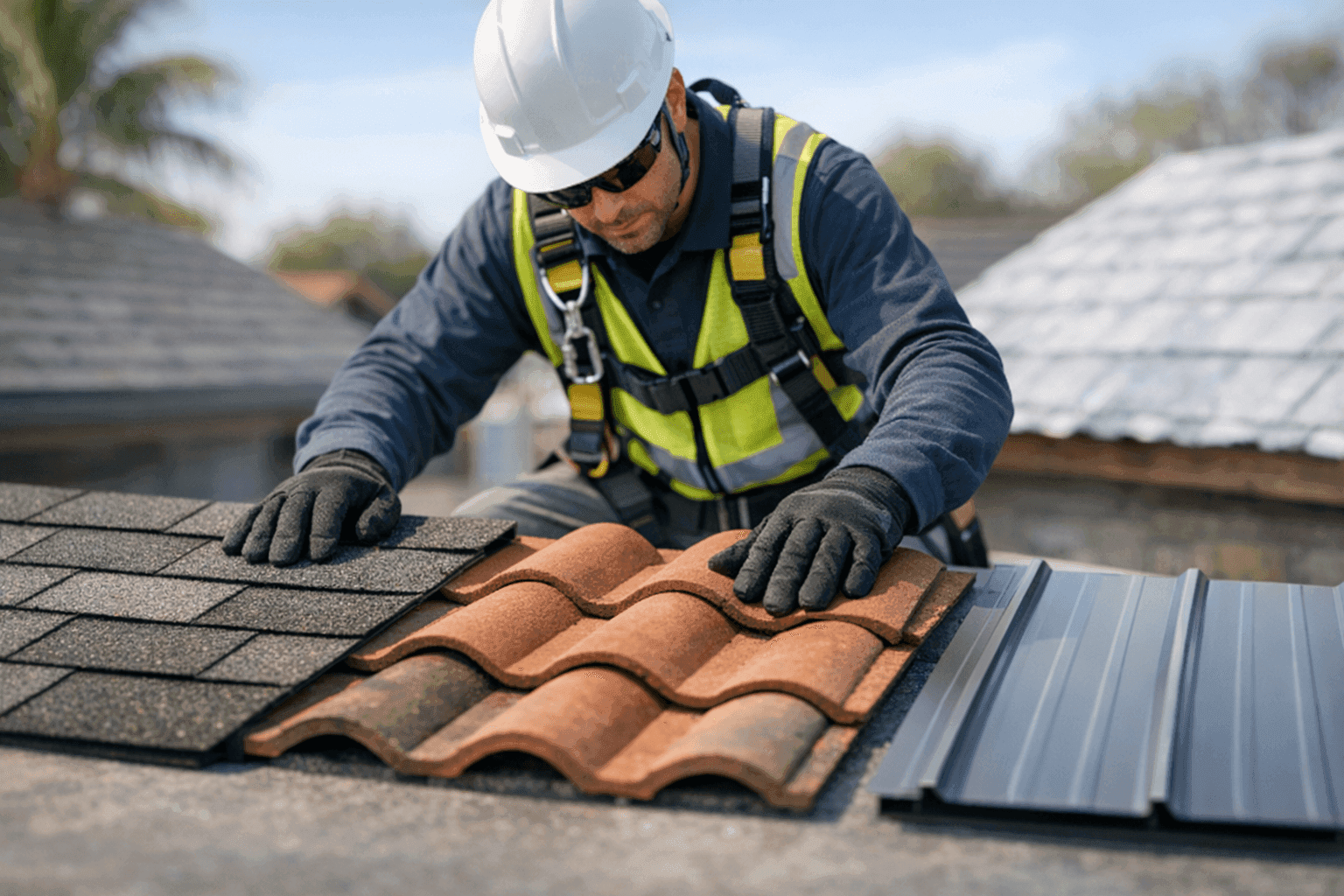
Are you staring up at an old roof, wondering if it’ll make it through another season? Or maybe you’re planning a new build and want to get it right from day one. Choosing the right roofing material isn’t just about looks. It’s about surviving storms, scorching heat, icy winters, and the test of time.
At KRB Contractors Roofing, we know how roofs face down the weather—day in, day out. Here’s what really matters when picking the best roofing for your environment.
Why Climate Matters for Your Roof 🌦️
Think of your roof as armor for your home or business. In some places, that armor faces relentless sun, making shingles brittle. Elsewhere, heavy snow puts tons of weight on every beam. And in storm-prone areas, wind and rain will test every seam.
The wrong material? It’s like wearing flip-flops in a snowstorm. Not smart.
- Sun & Heat: UV rays can bake shingles and warp sealants.
- Rain & Humidity: Water finds the tiniest cracks, leading to leaks or mold.
- Snow & Ice: Freeze-thaw cycles cause cracking. Heavy snow means extra stress.
- Wind & Storms: Strong gusts can lift tiles or tear off shingles.
Building codes (like the International Building Code and local ordinances) often require specific materials or installation methods to handle these threats. Ignoring climate when choosing your roofing material isn’t just risky—it could be costly and unsafe.
Material Performance by Region
Every region has its weather personality. Here’s how common roofing materials stand up:
Hot & Sunny Climates
- Tile Roofing: Super durable and reflects heat well. Clay or concrete tiles are popular in desert or Mediterranean areas.
- Metal Roofing: Highly reflective, sheds heat quickly. It’s like a sun shield for your roof.
- Asphalt Shingles: Affordable, but can warp or lose granules in relentless sun.
Cold, Snowy Winters
- Metal Roofing: Snow slides off easily, which helps prevent heavy buildup.
- Shingle Roofing: With proper underlayment, shingles can work well, but ice dams are a risk.
- Slate & Tile: Heavy, but excellent for insulation and durability.
Rainy or Humid Areas
- Metal and Slate: Resist mold, algae, and water absorption.
- Asphalt Shingles: Choose algae-resistant options.
- Tile Roofing: Good, but must be installed with proper underlayment to avoid leaks.
Storm-Prone Regions
- Metal Roofing: Holds up well against wind and hail.
- Impact-Resistant Shingles: Designed to withstand debris and rough weather.
- Tile: Heavy, but check local codes—improperly installed tiles can become hazards.
Pros and Cons: What Each Material Brings
No roof is perfect. Here’s how the most common choices stack up:
Asphalt Shingles
- Pros: Affordable, easy to install, many styles.
- Cons: Shorter lifespan, vulnerable to extreme heat.
Tile Roofing
- Pros: Long-lasting, fire-resistant, great for hot climates.
- Cons: Heavy, can crack under impact, higher upfront cost.
Metal Roofing
- Pros: Durable, fire-resistant, eco-friendly, reflects heat.
- Cons: Can be noisy in rain, higher initial price.
Slate
- Pros: Elegant, extremely durable, low maintenance.
- Cons: Very heavy, expensive, requires reinforced decking.
Eco-Friendly Options
- Pros: Lower energy bills, some products made from recycled materials, can earn tax incentives.
- Cons: May cost more upfront, availability varies.
Installation Tips: Getting It Right the First Time
The best material in the world won’t help if it’s installed wrong. Here’s what matters:
- Qualified Installers: Always choose certified professionals with experience in your chosen material.
- Proper Underlayment: Especially important in wet or snowy regions.
- Ventilation: Keeps your attic cool and dry, extending roof life.
- Flashing: Critical for leak prevention around chimneys, skylights, and valleys.
Shortcuts here lead to big headaches later. The National Roofing Contractors Association (NRCA) recommends always following manufacturer specs and local codes.
Maintenance Considerations: Make It Last
Every roof needs care. Here’s how to keep yours healthy:
- Regular Inspections: At least twice a year, and after major storms.
- Gutter Cleaning: Stops water buildup and ice dams.
- Sealant & Coating Checks: Look for cracks or peeling.
- Prompt Repairs: Fixing small issues early saves money down the line.
Check out our Roof Replacement page for tips on when repairs aren’t enough.
Signs of Trouble: When to Take Action
Don’t wait for drips in the attic. Watch for:
- Curling, cracked, or missing shingles/tiles
- Rust spots or loose fasteners on metal
- Mold, moss, or algae streaks
- Sagging rooflines or leaks after rain
If you spot these, it’s time to talk to a pro.
Prevention & Maintenance: Your Roof’s Insurance Policy
A well-maintained roof is like a car with regular oil changes. It lasts longer, performs better, and costs less over time.
- Schedule annual inspections with a licensed roofing contractor.
- Keep trees trimmed so branches don’t scrape or drop debris.
- Replace worn flashing and sealants promptly.
Seasonal Considerations: Timing Is Everything
- Spring: Repair any winter damage before spring rains.
- Summer: Ideal for installations and major repairs.
- Fall: Check for loose shingles before wind and rain pick up.
- Winter: Emergency repairs only—installation is risky in ice and snow.
Common Mistakes to Avoid
- Picking a material just for looks, not performance.
- Ignoring local building codes or HOA rules.
- Skipping permits—these keep your project safe and legal.
- DIY installation without proper safety or expertise.
Costs & Time Factors
- Material Costs: Asphalt shingles are usually the cheapest; slate and metal can cost more but last longer.
- Labor: Complex roofs or heavy materials mean higher labor costs.
- Time: Most replacements take a few days, but weather delays are common.
- Insurance: Some upgrades can lower your homeowner’s premiums—ask your agent.
When It’s an Emergency
Storm damage? Major leak? Don’t wait. Temporary tarping can prevent further damage until repairs are made. Emergency services are available—just ask.
DIY or Call a Pro?
Minor fixes—like replacing a few shingles or clearing gutters—can be DIY projects if you’re comfortable. But for structural repairs, new installations, or anything involving heights and safety equipment, call a licensed roofing contractor.
Quick Safety Checklist
- Always use a stable ladder and fall protection.
- Check weather conditions—never work on a wet or icy roof.
- Wear gloves, sturdy shoes, and eye protection.
- Know your limits. If in doubt, call a professional.
What Pros Do On Arrival
Expect your roofing specialist to:
- Inspect your roof and attic for damage and leaks.
- Identify problem areas like flashing, vents, and skylights.
- Advise on the best materials for your climate and home design.
- Provide a clear, written estimate with a timeline.
FAQ: Your Roofing Material Questions Answered
Q: What’s the most durable roofing material for severe weather? A: Metal and slate roofs stand up to the harshest conditions, but installation and support structures are key.
Q: Are eco-friendly roofing options worth it? A: Absolutely—cool roofs and green materials can save on energy and reduce your footprint. Learn more about Eco-Friendly Options.
Q: How do I know when it’s time to replace my roof? A: Age, leaks, and visible wear are signs. Schedule an inspection if you’re unsure.
Q: Who should I call for roofing in DC? A: For reliable service and local experience, you can explore our roofing company page.
Final Thoughts: Make Your Roof Work for You
Your roof isn’t just shelter—it’s protection, comfort, and peace of mind. Choosing the right material for your climate is the smartest investment you can make in your property’s future.
Ready to talk materials, or need a no-pressure inspection?
Call KRB Contractors Roofing now — or reach us anytime at 855-528-1936 .