Hiring a Roofing Contractor: Questions to Ask and Red Flags to Avoid
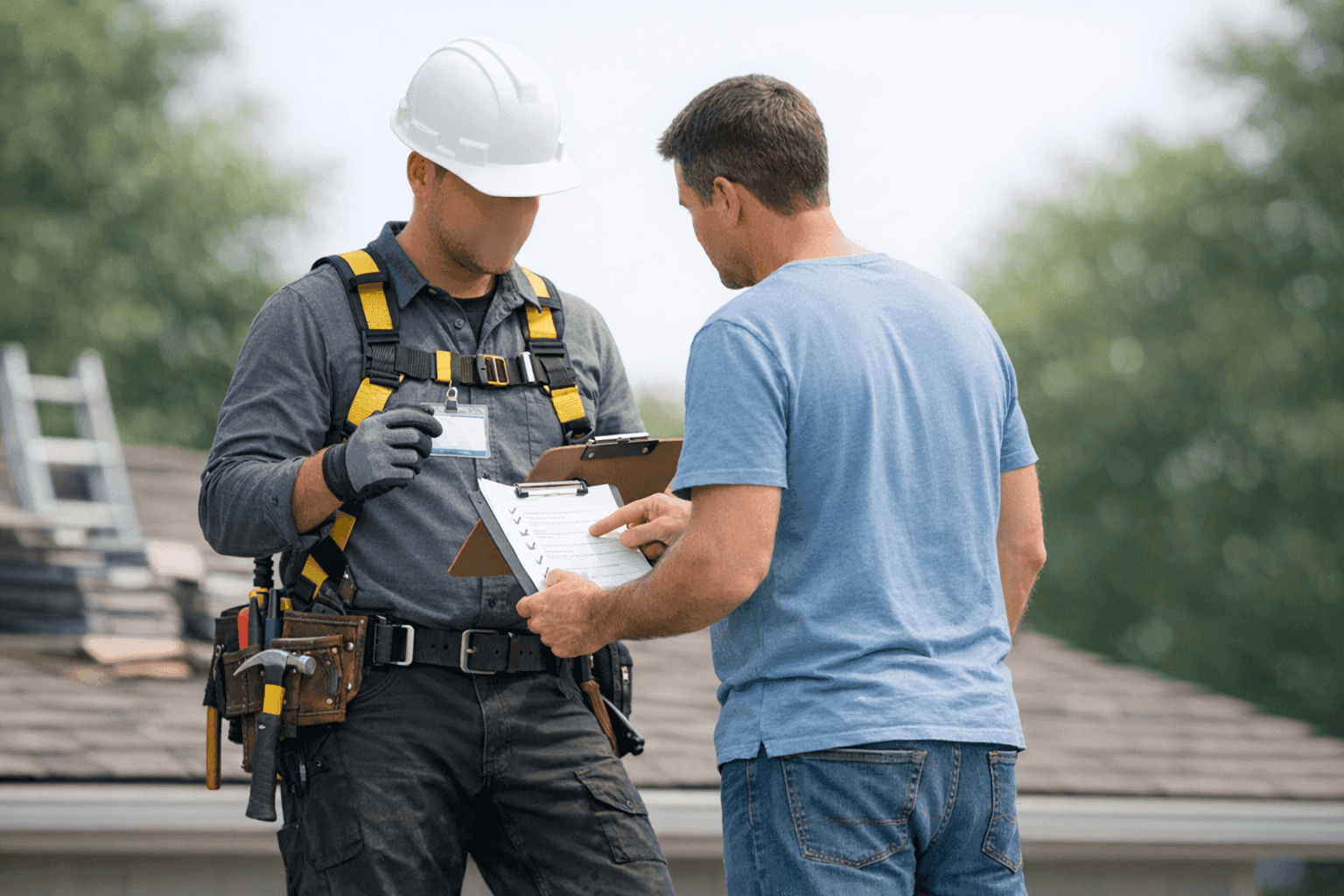
When the storm clouds clear and you spot a suspicious stain on your ceiling, panic can set in fast. Do you call the first roofing ad you find? Or do you take a breath and make sure your home—or business—is in the right hands?
At KRB Contractors Roofing, we’ve seen what happens when homeowners rush. Trust is earned, not assumed. The right roofing contractor protects your property, your investment, and your peace of mind.
Why Vet Your Roofer? 🕵️
A roof does more than keep out the rain. It shields your memories, your loved ones, your livelihood. Choosing a roofing company isn’t like picking socks off a shelf. It’s more like choosing who’ll build the walls of your house. If you wouldn’t let just anyone pour your foundation, don’t hand over your roof to the first bidder.
Vetting isn’t just about price. It’s about safety, skill, and the certainty that your roofer knows their way around everything from Tile Roofing near you to emergency storm repairs.
Essential Interview Questions
Don’t be shy—good roofers expect questions! Here’s what to ask before you sign any contract:
- How long have you been in business? Experience shows staying power.
- Are you licensed for roofing in this state? Ask to see documentation. Local building codes matter.
- What roofing services do you specialize in? Tile, shingle, metal, flat roofs—be specific about your needs.
- Can you provide recent references? Call them. Listen for honesty, not just glowing praise.
- What’s included in your estimate? Materials, labor, permits, cleanup—get it in writing.
- Who will be onsite during the job? Will it be subcontractors or direct employees?
- How do you handle weather delays or unexpected problems? Their answer should be clear and realistic.
- What kind of warranties do you offer? Be wary of vague or blanket promises.
You want clear answers, not smoke and mirrors. If you’re met with confusion or pushback, that’s your first warning sign.
Credentials and Insurance: No Excuses
Any reputable roofing contractor will have:
- Proper licensing for your area. (Check with your city or state licensing board.)
- General liability insurance and workers’ compensation. Ask for proof—don’t just take their word for it.
- Familiarity with OSHA safety standards and local building codes (for example, the International Building Code).
If a roofer hesitates to provide documentation, imagine how they’ll handle your roof repairs.
Common Red Flags to Watch For 🚩
Even seasoned homeowners can get tripped up. Keep your radar sharp for these warning signs:
- High-pressure sales tactics. If you’re being rushed to sign before you’re ready, step back.
- No physical address. A PO box isn’t enough. Reliable companies have a real location.
- Upfront cash demands. A small deposit is normal; paying in full before work starts is not.
- Unmarked vehicles and no uniforms. Professionalism counts.
- No written contract. Never start work on a handshake alone.
- Lack of reviews or a trail of complaints. Search for them by name with your state’s consumer protection office or the Better Business Bureau.
- Vague on materials or scope. Insist on specifics—brand, color, warranty, and installation method.
Finalizing Your Choice
You’ve asked questions, checked paperwork, and compared estimates. Now, weigh your options:
- Review the contract line by line. If you don’t understand a term, ask for clarification.
- Confirm the timeline and cleanup plan. A good roofer leaves your property better than they found it.
- Ask about permits. Most cities require them for roofing work—especially for roof replacement or major repairs.
- Discuss payment terms. Avoid large upfront payments. Agree on a schedule that matches progress.
Before you sign, trust your gut. If something feels off, walk away.
What to Expect When Pros Arrive
Professional roofers show up prepared. They’ll:
- Inspect your roof thoroughly—inside and out.
- Take photos and explain what they find.
- Offer a clear plan for repair, replacement, or maintenance, tailored to your roof’s age and material.
They’ll also respect your property. That means safe work zones, minimal disruption, and daily cleanup.
DIY vs. Call a Pro
Sure, you can spot a missing shingle or clean a gutter. But roofing is risky—one wrong step and you’re facing more than a leak. For repairs, structural issues, or anything involving major tools or heights, call a professional.
Even for smaller tasks, improper DIY can void roof warranties or insurance coverage. The National Roofing Contractors Association warns that untrained work often causes more harm than good.
Prevention & Maintenance: Your Best Defense
A little prevention goes a long way. Schedule regular inspections and maintenance to catch problems before they turn into costly emergencies. Look for:
- Missing, cracked, or curling shingles.
- Signs of water damage in your attic or ceilings.
- Rusted or detached flashing around chimneys and vents.
- Clogged gutters or downspouts.
Prompt care is especially important for Tile Roofing near you, flat roofs, or older properties.
Costs & Time Factors
Roofing costs can vary—by material, labor, and complexity. A new roof installation takes longer than a standard roof repair. Weather, permit delays, and custom materials can add time.
Always ask for a written timeline. And remember: “Fast and cheap” usually means “do it twice.” A fair price and a realistic schedule signal a contractor who values quality.
When It’s an Emergency
Storm damage? Sudden leaks? Don’t panic. Call a contractor with true emergency services. They’ll:
- Secure your home with tarps or temporary repairs.
- Prevent further water intrusion.
- Schedule a full assessment once it’s safe.
Document everything for insurance and stay in touch with your roofer throughout the process.
Seasonal Considerations
Timing matters. Spring and fall are peak roofing seasons; summer heat and winter storms can complicate scheduling and working conditions. Book early if you need major work, especially for roof replacement or large-scale projects.
Common Mistakes Homeowners Make
- Choosing the lowest bid, then paying double to fix mistakes.
- Skipping references or reviews.
- Overlooking written contracts.
- Ignoring routine maintenance.
- Delaying repairs until a small leak becomes a major headache.
Avoid these traps by staying proactive and informed.
Signs of Roof Trouble
If you notice:
- Water stains or peeling paint near ceilings.
- Granules in your gutters (from aging shingles).
- Sagging, soft spots, or daylight through your attic.
Act quickly. The sooner you address issues, the less expensive they are to fix.
Timeline & Disruption: What’s Realistic?
Roofing work is noisy, messy, and sometimes disruptive. Good contractors set clear expectations:
- Most standard roof repairs take 1–3 days.
- Full roof replacements can last a week or more, depending on size and weather.
- Cleanup should happen daily, with nails and debris removed from your yard.
Ask about working hours and how they’ll protect landscaping, driveways, or walkways.
Materials & Equipment
Not all roofing materials are created equal. Quality contractors will:
- Discuss options—shingles, tiles, metal, or eco-friendly materials.
- Explain the pros and cons, not just push the most expensive upgrade.
- Use safety equipment required by OSHA and follow all local codes.
Ask for material samples and warranty details before making a final choice.
Structural Repair and Hidden Surprises
Sometimes, roof damage hides rot, sagging decking, or ventilation issues. The best roofers explain what they find, document it with photos, and update your estimate before moving forward.
For both residential and commercial properties, structural surprises are best handled by a roofing contractor with experience in decking, flashing, and insulation.
Relatable Advice: Spotting Scams and Staying Safe
If it sounds too good to be true, it probably is. Avoid “door-to-door” offers after storms, especially if they push you to sign immediately or pay cash. Reputable roofing specialists will walk you through every step and give you time to think.
For further peace of mind, check with the National Roofing Contractors Association or your state’s licensing board. And if you’re looking for roofing services in your area, always choose a contractor with a record of professionalism and transparent communication.
When it’s time to repair, replace, or inspect your roof, don’t leave it to chance. Choose KRB Contractors Roofing—the team trusted by homeowners and businesses alike.
Call KRB Contractors Roofing now — or reach us anytime at 855-528-1936 .