Gutter Guards: Do They Really Prevent Clogs and Reduce Maintenance?
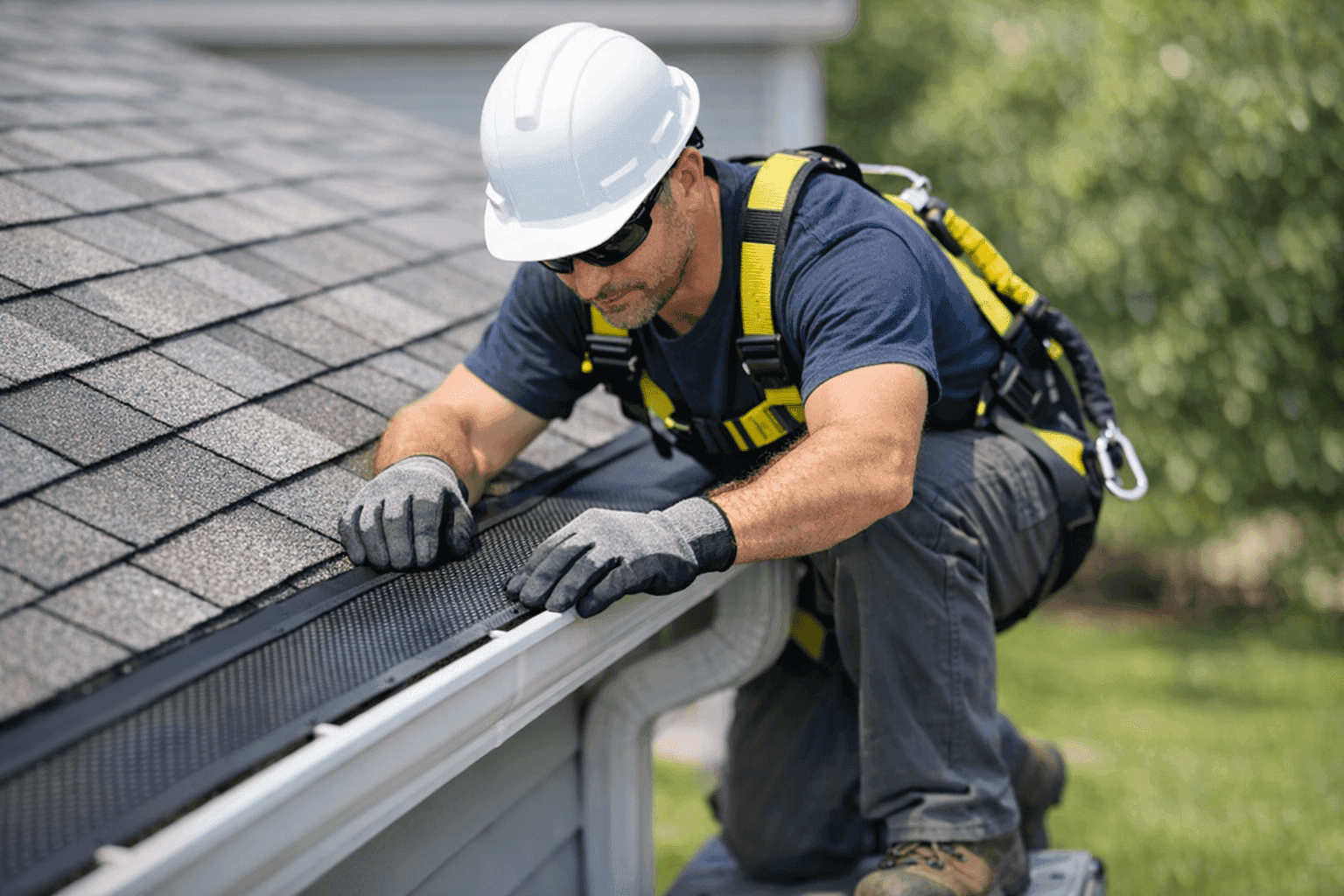
Are your gutters always getting clogged? You’re not alone. Each year, piles of leaves, twigs, and debris can turn a simple water channel into a real headache. Water overflows. Siding stains. Foundations get soaked. That’s why so many homeowners and businesses wonder if gutter guards are the secret to a low-maintenance, clog-free roof.
At KRB Contractors Roofing, we’ve seen it all—overflowing gutters, soaked basements, and the endless cycle of climbing ladders to scoop out muck. Let’s cut through the hype and take a clear-eyed look at whether gutter guards truly deliver as promised.
What Are Gutter Guards? 🛡️
Gutter guards are barriers—fitted over or inside gutters—to keep out leaves, sticks, and other debris while letting rainwater flow through. Think of them as a sieve for your gutters. The idea: stop blockages before they start, so water moves off your roof and away from your home’s foundation.
They’re not new, but their popularity has climbed with every season’s storm. Many homeowners and businesses looking for "Tile Roofing near you" also ask us about gutter protection as part of a bigger maintenance plan.
Types of Gutter Guards and How They Work
There’s no one-size-fits-all answer here. Different homes, trees, and roof styles call for different solutions. Here are the most common types:
- Screen Guards: Mesh or wire screens that lay over the gutter. They block large debris but may let in small seeds or pine needles.
- Reverse Curve (Surface Tension): Shaped covers that direct water into the gutter while debris slides off. Great in theory, but sometimes heavy rain overshoots.
- Foam Inserts: Blocks of porous foam that fit inside gutters, letting water in but keeping out large debris. These can break down over time.
- Brush Guards: Think of a chunky pipe cleaner inside your gutter. Debris catches on the bristles, hopefully letting water flow.
- Micro-Mesh Guards: Ultra-fine screens that catch even tiny shingle grit. These are often more expensive, but highly effective.
Each type has its fans and skeptics. The best pick often comes down to your roof shape, local tree cover, and how much time you want to spend on a ladder.
Pros: Less Clogging, Fewer Headaches
Let’s face it—clogged gutters are a pain. Here’s what the right gutter guard setup might offer:
- Reduced Clogging: Fewer leaves and sticks means less chance of backups.
- Less Frequent Cleaning: You’ll still need to check and clean your gutters, but not as often.
- Improved Water Flow: Helps keep water moving away from your roof and foundation, protecting against leaks and erosion.
- Safety: Less time on ladders means fewer risks for homeowners.
- Pest Prevention: Some guards keep out birds, squirrels, and insects looking for a home.
Cons: No Magic Solution
No product is perfect. Gutter guards can help, but they’re not a cure-all. Here’s where things get tricky:
- Not Maintenance-Free: Debris can still build up on top or in the guards themselves. Gutters still need checks.
- Potential for Ice Dams: In cold climates, guards can sometimes trap ice and snow, leading to winter problems.
- Installation Problems: Poorly installed guards may void roof warranties or cause water to overshoot the gutter.
- Cost: Upfront investment varies—some systems are pricey, especially for larger homes or commercial properties.
- Limited Lifespan: Cheaper guards may break down quickly. Even high-end options can need replacing after several years.
What Does Science and Real-World Data Say?
A study by the National Association of Home Builders found that many gutter guard systems do reduce the frequency of clogs—but they don’t eliminate the need for regular inspections. The International Association of Certified Home Inspectors (InterNACHI) also recommends annual gutter checks, even with guards installed.
In our experience, homes surrounded by pine or maple trees see the most benefit. However, those with few overhanging branches may not need guards at all. If you’re in an area with heavy pollen, expect to clean that sticky film off your guards every season.
DIY or Call a Pro? Safety and Quality Matter
Thinking about tackling gutter guard installation yourself? For single-story homes, handy homeowners sometimes manage basic screen or foam guards. But two-story homes, steep roofs, or complex systems are a different story. Falls from ladders are a leading cause of home injuries (CDC).
Professionals like KRB Contractors Roofing bring the right tools—and the know-how to ensure your gutter guards don’t interfere with roof flashing, shingles, or existing gutter slopes. For more complex rooflines or commercial buildings, professional installation is the smart, safe choice.
Quick Safety Checklist Before You Start
- Inspect your ladder for stability and wear.
- Only work on dry, clear days.
- Wear gloves and eye protection—gutters are sharp and messy.
- Never lean or overreach. Move the ladder as needed.
- Watch for power lines or cables near your roof.
If in doubt, call a roofing contractor instead of risking a preventable fall.
Installation Tips for Optimal Results
- Choose the Right Guard: Match your guard to your local tree types and roof pitch.
- Prep Gutters Thoroughly: Clean and check for leaks before installing guards.
- Follow Manufacturer Guidelines: Poor installation can cause water damage or void warranties.
- Angle and Secure Properly: Guards should not tilt or gap, or debris will pile up fast.
- Check Downspouts: Make sure all water routes are clear—clogs can form below the gutter, too.
Curious about installation specifics? Take a look at our Gutter Installation page for more details.
Maintenance Considerations: Don’t Set and Forget
Here’s the honest truth: Gutter guards reduce the work, but don’t erase it.
- Annual Inspections: Even the best guards need a yearly look-over. Clear off debris that sits on top.
- Flush the Gutters: Use a hose to ensure water flows freely through the system.
- Check Downspouts: Clogs can form below the gutter, especially in older systems. Our Downspout Repair service can help if you find issues.
- After Major Storms: Always check guards and gutters after heavy wind or hail to spot damage early.
For homeowners in the Midwest, like those looking for Gutter Cleaning in Sheboygan, regular maintenance is key to long-lasting performance.
Common Mistakes to Avoid
- Ignoring Manufacturer Instructions: Leads to leaks and water overshooting.
- Using Cheap Materials: Bargain guards often warp, break, or detach in a single season.
- Overselling: No guard makes your gutters maintenance-free.
- Forgetting the Downspouts: Clogs often hide where you can’t see.
When Are Gutter Guards Worth the Investment?
- Heavily Treed Lots: If your home is under a canopy of leaves, guards can save hours of work and help prevent water damage.
- Tall Roofs: Reducing trips up a tall ladder is worth every penny.
- Commercial Properties: Less maintenance helps protect your investment and keep tenants happy.
- Older Homes: Protects aging gutters and prevents overflow that can damage foundations.
Costs, Time, and What to Expect
Prices vary—simple foam or screen guards can be installed quickly and cheaply, while high-end micro-mesh covers cost more but last longer. Expect anywhere from a few hundred to several thousand dollars, depending on home size and guard type.
Most installations take less than a day for a typical home. Commercial buildings, or jobs involving structural repair, may take longer.
Signs of Trouble: When to Act Fast
- Water spilling over the sides of gutters during rain
- Rust, sagging, or visible plant growth in your gutters
- Persistent leaks inside your home, especially after storms
- Ice dams forming in winter
If you spot these, don’t delay. Water damage gets worse, not better, with time.
Seasonal Considerations: Spring and Fall Matter Most 🍂
- Spring: Pollen, blossoms, and seed pods can clog even covered gutters.
- Fall: Leaves and twigs are the main culprits. Inspect guards after every big storm.
- Winter: In cold climates, check for ice damming at the edge of your roof.
- Summer: Less debris, but periodic checks prevent surprise problems.
Timeline and Disruption: What to Expect During Installation
Most residential gutter guard installs are completed in a day, with little disruption to your household or business. Our team at KRB Contractors Roofing will:
- Remove debris from existing gutters
- Inspect gutters for leaks or sagging
- Install selected guards per manufacturer specs
- Test water flow and check downspouts
You’ll walk away with peace of mind, and a safer, cleaner system for the seasons ahead.
Real-World Bottom Line: Are Gutter Guards Worth It?
For many homeowners and business owners, gutter guards mean less time on the ladder and fewer headaches after storms. But they aren’t maintenance-free. The right guard, installed properly, matched to your roof and trees, can make a big difference.
Still not sure? Our team is here to help with honest advice, seasonal maintenance, and long-term solutions for every roof and gutter system.
Looking for gutter protection, roof repair, or roofing services in your area? Get in touch today.
Call KRB Contractors Roofing now — or reach us anytime at 855-528-1936 .