Flat Roofs: Pros, Cons, and Best Maintenance Practices
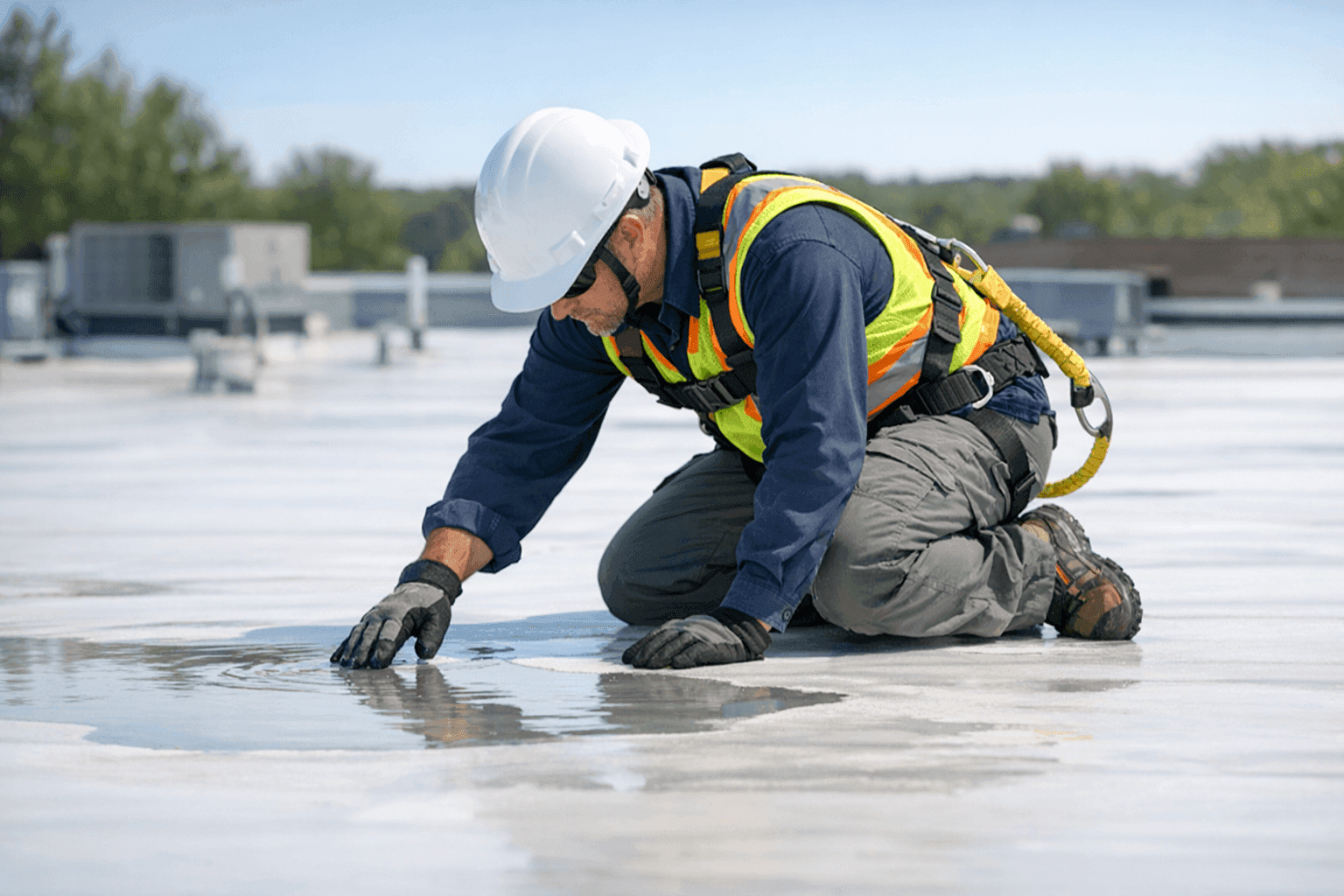
Flat roofs have a reputation. Some love them for their modern look and versatility. Others worry about leaks and maintenance. The truth? Like any roof, it comes down to smart choices and good care.
Whether you're a homeowner exploring new options or a business with an existing flat roof, understanding the basics can save you time, money, and a few headaches along the way.
Flat Roof Types: A Quick Overview 🏢
Not all flat roofs are created equal. The materials you choose affect everything—from longevity to energy bills.
- Built-Up Roofing (BUR): Think of it as a multi-layer “roof sandwich.” Layers of tar and gravel provide durability. Heavier, but classic.
- Modified Bitumen: A single-ply system with reinforcement. It’s like a flexible blanket—easy to install, good for foot traffic.
- EPDM (Rubber): Black or white synthetic rubber. Lightweight, affordable, and popular for larger commercial buildings.
- TPO & PVC Membranes: White, reflective, and energy-efficient. These single-ply systems are excellent for resisting UV and heat buildup.
- Spray Polyurethane Foam (SPF): Sprayed on, then expands into a solid layer. Seamless, great for insulation, but needs expert application.
- Metal Flat Roofs: More rare, but growing. Durable and low-maintenance, especially for commercial properties.
- Green/Eco Roofs: Vegetation on top, with waterproofing underneath. Excellent for insulation and stormwater management.
Each type comes with strengths and quirks. The right choice depends on your climate, building use, and budget.
Advantages and Disadvantages
Flat roofs can be the strong, silent type—or a little high maintenance.
What’s to Love?
- Modern Aesthetics: Clean lines. Space for HVAC, solar panels, or even rooftop gardens.
- Easy Access: Maintenance and inspections are safer and simpler.
- Cost-Effective: Materials and installation often cost less than pitched roofs.
- Versatile Use: Think rooftop patios, decks, or green roof systems.
What’s Not So Great?
- Drainage Challenges: Flat roofs are never truly flat—they have a slight pitch for drainage. But water loves to find the lowest spot. Poor drainage means puddles, leaks, and rot.
- Lifespan: Some flat roofing materials don’t last as long as premium pitched-roof options.
- Thermal Performance: Without good insulation, flat roofs can be heat sponges in summer and iceboxes in winter.
- Maintenance Needs: Leaves, debris, and dirt collect more easily. Vigilance is key.
Signs of Flat Roof Damage
Flat roofs don’t shout for attention—they whisper. Here’s how to listen:
- Ponding Water: After a rain, do shallow pools linger longer than 48 hours? That’s a red flag.
- Bubbling or Blistering: Raised areas mean trapped moisture or air. Left alone, these can split.
- Cracks or Splits: Membrane damage often starts small. Over time, water works its way inside.
- Stained Ceilings: Indoors, discoloration or damp spots signal leaks above.
- Loose or Missing Flashing: Edges and joints are weak spots. Flashing protects these critical areas from water entry.
- Moss, Mold, or Algae: Persistent greenery means moisture is sticking around.
If you spot these issues, it’s time to act. The longer you wait, the deeper the rabbit hole gets.
Flat Roof Drainage: The Make-or-Break Factor
Imagine your roof as a shallow bathtub. If the drain clogs, water goes nowhere fast.
- Scuppers: Openings at the edge for water to exit. Check regularly for blockages.
- Internal Drains: Pipes set into the roof. Great for large buildings, but small clogs can mean big trouble.
- Gutters & Downspouts: Essential for guiding water away from your foundation.
Keep these clear. A leaf or small branch can be all it takes to start a chain reaction.
Insulation & Energy Efficiency
Flat roofs are like hats for your building. A good one keeps you warm in winter and cool in summer.
- Rigid Foam Boards: Common for flat roofs. Easy to install, resists water.
- Spray Foam: Fills gaps and creates a seamless barrier.
- Tapered Insulation: Adds pitch for drainage and boosts energy savings.
Proper insulation isn’t just about comfort—it can trim energy bills and extend your roof’s life.
The Maintenance Checklist 🧰
Like a car, your flat roof needs regular tune-ups. Here’s a solid schedule:
Twice a Year (Spring & Fall)
- Clear gutters, downspouts, and drains.
- Inspect membrane or surface for cracks, blisters, or punctures.
- Check flashing, skylights, and vents for gaps or rust.
- Look for ponding water after a rainstorm.
- Remove debris—leaves, branches, or anything else that settled in.
After Every Storm
- Scan for new debris or visible damage.
- Check for fresh leaks or ceiling stains indoors.
- Document anything unusual—photos help track changes over time.
Annual Inspection
- Hire a professional for a full roof inspection. They’ll spot the subtle stuff.
- Review insulation performance and look for new energy loss.
- Evaluate the condition of all seals and joints.
For more details on a strong maintenance routine, see our Preventative Maintenance page.
Common Flat Roof Issues (And How to Avoid Them)
Flat roofs face a few regular villains:
- Standing Water: Always address ponding fast. Adjust drainage, add tapered insulation, or re-pitch if needed.
- Membrane Damage: Avoid walking on the roof unless necessary. Use walk pads when possible.
- Flashing Failures: Keep an eye on roof edges, chimneys, and skylights. Damaged flashing is a top source of leaks.
- Poor Repairs: Quick patches can cause more harm than good. Use quality materials and proven methods.
Preventative Maintenance: Your Best Defense
Small problems snowball. Regular checkups and cleaning are like brushing your teeth—simple, but non-negotiable.
- Set calendar reminders for semi-annual and post-storm inspections.
- Trim overhanging trees to reduce debris buildup.
- Check seals around skylights, vents, and HVAC units.
- Reapply coatings as recommended for your specific material.
These habits can double the life of your flat roof. For more info, visit our Roof Repair page.
Roof Leaks: How to Spot and Stop Them
Leaks on a flat roof can be sneaky. Water might travel along the membrane before it ever shows up inside.
- Trace stains indoors back to their highest point.
- Check around penetrations: Pipes, skylights, and vents are frequent offenders.
- Use a hose test (in dry weather) to pinpoint trouble spots—just be sure your drainage is clear first.
If you can’t find the source, call a professional roofing company before small leaks become major headaches.
DIY or Call a Pro? 🚧
Some tasks—like cleaning gutters or removing loose debris—are safe for most property owners.
But when it comes to:
- Membrane repairs
- Flashing installation
- Large leaks or structural concerns
Leave it to the pros. They have the tools and training to handle flat roof systems safely, following OSHA and local building codes.
Repair vs. Replacement: Making the Call
How do you know when repairs just aren’t enough?
- Age: If your flat roof is over 20 years old and has chronic issues, replacement is usually more cost-effective.
- Repeated Leaks: If you’re patching the same spots year after year, underlying problems may be to blame.
- Widespread Damage: Multiple blisters, widespread cracking, or failing insulation signal it’s time for a new roof.
- Energy Loss: Rising heating/cooling bills can indicate insulation failure—a full replacement may be needed.
Replacement is a bigger investment but offers peace of mind and long-term savings.
Flat Roofs and Building Codes
Every project must meet building codes and manufacturer guidelines. This ensures safety, performance, and insurance compliance. The International Building Code (IBC) and local regulations set standards for materials, installation, and drainage. Always hire licensed roofing specialists familiar with these rules.
Seasonal Considerations
- Winter: Watch for ice dams and heavy snow buildup. Remove snow promptly to avoid excess weight.
- Spring: Prime time for inspections. Look for signs of winter damage.
- Summer: UV rays can degrade some materials. Check for surface cracking or fading.
- Fall: Clear leaves and prep for storm season.
Adapting your maintenance to the seasons keeps your roof at its best.
Flat Roofs for Residential & Commercial Properties
Flat roofs aren’t just for warehouses. Modern homes, condos, and retail spaces all use them for their unique benefits. The key is matching the right system to your building’s needs.
If you’re curious about options in your area, our team at KRB Contractors Roofing can help you assess what fits best—whether it’s energy savings, style, or long-term durability.
For those in the region, you’ll find helpful info on everything from roofing to ongoing maintenance right here on our site.
Final Thoughts: Is a Flat Roof Right for You?
Flat roofs can be a smart, efficient choice—with the right care. They demand attention, but reward you with functionality and modern appeal.
If you already have a flat roof, regular maintenance is your best friend. If you’re considering one for your next project, weigh the pros and cons for your property and climate.
Have questions or need help with repairs, inspections, or new installations? We’re here for you.
Call KRB Contractors Roofing now — or reach us anytime at 855-528-1936 .