Flat Roofs: Options, Lifespan & Common Issues
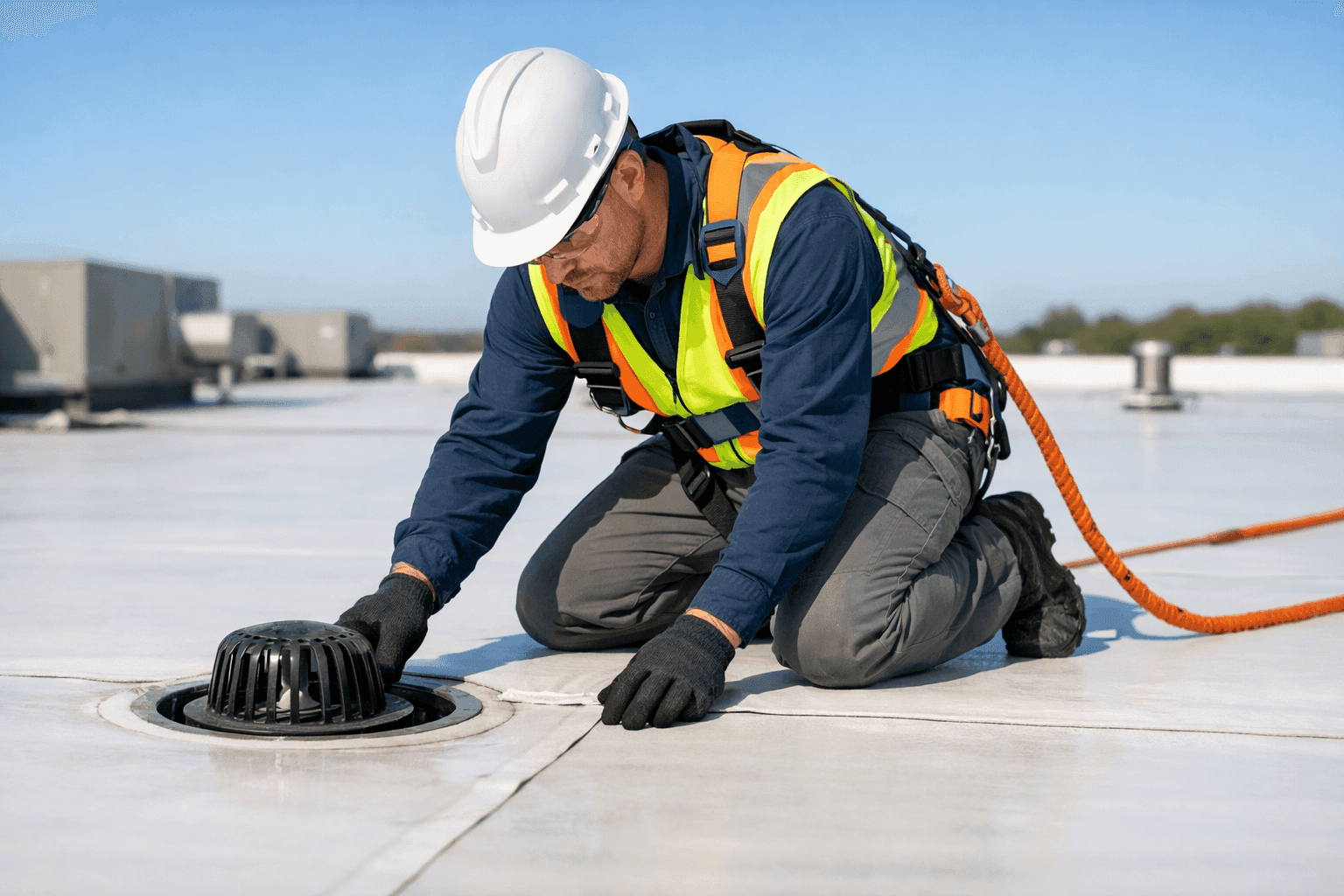
Flat roofs look modern. They’re practical, too—especially for busy businesses or homeowners who want usable space above their heads. But there’s more to these roofs than meets the eye. At KRB Contractors Roofing, we know the challenges and rewards that come with flat roofing. If you’re thinking about a flat roof for your property, or you’re dealing with leaks or wear, you’re in the right spot.
Every roof tells a story—some last for decades, while others need a little more love. Let’s break down what makes flat roofs unique, how to care for them, and what to do when problems crop up.
What Is a Flat Roof? 🏢
A flat roof isn’t perfectly flat. Imagine a pancake that’s just slightly tilted, so rainwater doesn’t pool in the center. Technically, most “flat” roofs have a slope of up to 10 degrees. This subtle angle helps guide water toward drains or scuppers.
You’ll see flat roofs on downtown offices, shopping centers, and modern homes. Their clean lines and wide-open surfaces offer space for HVAC equipment, solar panels, or even rooftop decks. But with that simplicity comes the need for careful design, strong drainage, and the right materials.
Popular Flat Roof Material Choices
When it comes to flat roofing, the material matters. Each option comes with its own set of strengths and quirks:
EPDM (Ethylene Propylene Diene Monomer)
- Think of it as a giant piece of tough, black rubber.
- Flexible, easy to install, and affordable.
- Handles cold snaps well, and resists sunlight, but can be vulnerable to punctures from sharp debris.
TPO (Thermoplastic Polyolefin)
- White and reflective—like a sun hat for your building.
- Keeps interiors cooler by bouncing back sunlight.
- Welded seams create a watertight barrier, but installation requires skill.
Built-Up Roofing (BUR)
- Multiple layers—like the pages of a thick book.
- Alternates layers of bitumen and fabric, topped with gravel.
- Heavy and time-tested, but can add weight and take longer to install.
Modified Bitumen
- A hybrid: tough as an old tire, but flexible enough to handle expansion and contraction.
- Installed in rolls, sometimes with a torch or cold adhesive.
- Good for foot traffic, but seams must be sealed tight.
How Flat Roofs Stack Up: Pros & Cons
Every roofing choice is a trade-off. Here’s how flat roofs measure up:
Pros:
- Space-saving. Store equipment or create a rooftop retreat.
- Access is easier for cleaning, repairs, or adding solar panels.
- Modern, minimalist look for both homes and businesses.
Cons:
- Drainage issues. Water doesn’t run off as easily as with a steep roof.
- Maintenance matters. Neglect can lead to leaks or structural problems.
- Some materials are more prone to punctures or seam failures.
Lifespan & Maintenance Needs
How long does a flat roof last? It depends on what you put up there—and how you care for it.
- EPDM: 15–25 years with consistent maintenance.
- TPO: 15–30 years, especially if cleaned and checked regularly.
- Built-Up: 20–30 years, but heavy foot traffic can shorten its life.
- Modified Bitumen: 15–25 years, depending on climate and upkeep.
Maintenance is key. A flat roof is like a car—ignore the oil changes, and you’ll be stranded sooner than you think.
Routine Maintenance Checklist
- Clear debris after storms.
- Inspect for cracks, bubbles, or ponding water.
- Keep drains and scuppers clear.
- Check flashings and seams every spring and fall.
- Schedule professional inspections yearly, especially for commercial buildings.
Common Flat Roof Issues
Flat roofs face unique challenges. Here are the most frequent troublemakers:
Ponding Water
Water that hangs around for more than 48 hours is a red flag. Over time, it can stress the membrane and seep into insulation or decking. If you notice standing pools, it’s time for a drainage upgrade or a professional evaluation.
Membrane Wear and Tear
The sun, foot traffic, and temperature swings can cause cracks, blisters, or splits—especially if the roof is older or not maintained. Even a small puncture can lead to a big leak.
Flashing Failures
Where the roof meets walls, chimneys, or skylights, flashing acts like armor. If it’s loose or rusted, water will find its way in. Chimney flashing, in particular, needs special attention.
Clogged Drains and Gutters
Leaves, twigs, and debris are the enemy of good drainage. Without clear pathways, water backs up fast. That’s why services like Gutter Cleaning and Downspout Repair are so important.
Insulation and Energy Loss
A poorly insulated flat roof can turn your building into a sauna in summer and a freezer in winter. Upgrading insulation and ensuring proper ventilation can make a major difference.
Real-World Scenario: How We Handle Flat Roof Repairs
Picture this: It’s Monday morning, and you spot a dark stain on your ceiling tiles. Maybe you hear the telltale drip after a storm. Here’s what happens next:
- Safety First: Block off the area below the leak. Water and electricity don’t mix.
- Initial Inspection: Our team checks the membrane, seams, and nearby flashing for obvious damage.
- Pinpoint the Problem: Using moisture meters and infrared cameras when needed, we trace the leak to its source.
- Repair or Replace: Depending on the damage, we repair the membrane, reseal seams, or recommend a replacement if the roof is at the end of its life.
- Prevention: Before we leave, we’ll talk you through ways to keep your roof in shape—seasonal inspections, gutter maintenance, and regular cleaning.
When to Call a Roofing Pro
Some problems you can spot from the ground. Others hide under layers of insulation or in tricky corners. If you see:
- Persistent leaks, even after patching.
- Ponding water that won’t drain.
- Blisters, cracks, or soft spots in the roof surface.
- Rust or gaps at flashing points.
- Unexplained spikes in heating or cooling bills.
Don’t wait. The sooner you address flat roof issues, the less you’ll spend on repairs or replacement.
DIY vs. Professional Repairs
It’s tempting to fix a roof yourself, but flat roofs are less forgiving than they appear. Sure, you can clear a drain or remove leaves, but patching membranes or sealing seams takes training, tools, and safety gear.
OSHA safety guidelines recommend caution on any roof, especially commercial or multi-story buildings. In many cases, hiring a certified roofing contractor isn’t just smart—it’s the law.
Preventative Maintenance: Your Best Investment
A little prevention goes a long way. Here are some real-world tips:
- Schedule regular inspections—spring and fall work best.
- Clean gutters and downspouts after every storm.
- Trim back trees to prevent branches from scraping or puncturing the membrane.
- Check after severe weather. High winds and hail can cause hidden damage.
- Keep a maintenance log. Track repairs, inspections, and any issues.
Flat Roofs for Residential vs. Commercial Buildings
Flat roofs aren’t just for warehouses or office parks. Modern homes are embracing flat designs for their sleek look and practical rooftop space. Still, the stakes are higher for commercial buildings—larger square footage, more foot traffic, and greater liability.
Commercial buildings often require more robust drainage systems and regular professional inspections. For both homes and businesses, having a reliable roof repair team on call is essential.
Seasonal Considerations
- Winter: Snow and ice can stress a flat roof. Remove heavy snow promptly and watch for ice dams.
- Spring: Check for pooling water and clear debris.
- Summer: Inspect for UV damage and cracking.
- Fall: Clean gutters before the leaves pile up.
Costs & Timeline
Flat roof costs vary by material, size, and complexity. EPDM and TPO are usually more affordable, while built-up and modified bitumen can cost more upfront. Repairs can be quick—sometimes just a day for minor leaks. Full replacements may take several days, especially for larger commercial buildings.
Common Mistakes to Avoid
- Ignoring small leaks until they become big problems.
- Skipping regular inspections.
- Overloading the roof with equipment or heavy planters.
- Using the wrong sealants or patch materials.
- Forgetting about drainage until it’s too late.
Frequently Asked Questions
How do I know if my flat roof needs to be replaced?
Look for signs like frequent leaks, extensive membrane wear, or recurring ponding water. If repairs are becoming more frequent and costly, a replacement may be more cost-effective.
Are flat roofs suitable for all climates?
They can work in most areas, but special attention should be paid to insulation and drainage in places with heavy rain or snow.
Can I install solar panels on a flat roof?
Yes—flat roofs are ideal for solar panels and green roofs, as long as the structure can support the added weight.
Building Codes and Safety
Flat roofs must meet local building codes for drainage, insulation, and fire safety. The International Building Code (IBC) and National Roofing Contractors Association (NRCA) provide guidelines for commercial and residential flat roofing. Always check with a licensed roofing contractor familiar with these standards.
Need Help With Flat Roofs?
Flat roofs are a smart choice for many properties, but they need the right care. If you’re searching for reliable roofing solutions—including roofing services for your home or business—KRB Contractors Roofing is ready to help.
Call KRB Contractors Roofing now — or reach us anytime at 855-528-1936 .